Introduction
Tornados are among the most destructive natural disasters, occurring with little warning and capable of causing significant damage to lives and property. Understanding the difference between a tornado watch and a tornado warning is vital for ensuring safety during severe weather events. This knowledge can help residents take appropriate action and keep themselves and their families safe.
Tornado Watch Explained
A tornado watch means that conditions are favorable for the formation of tornadoes in your area. The National Weather Service (NWS) issues a tornado watch when meteorological conditions, such as severe thunderstorms or atmospheric instability, increase the likelihood of twisters developing. Typically, a watch may cover a wide geographical area and can last for several hours.
What to Do During a Tornado Watch
When a tornado watch is issued, individuals should stay alert by monitoring weather updates through radio, TV, or mobile apps. It is essential to have a plan in place, including knowing the safest spaces within your home or workplace to take shelter if conditions worsen.
Tornado Warning Explained
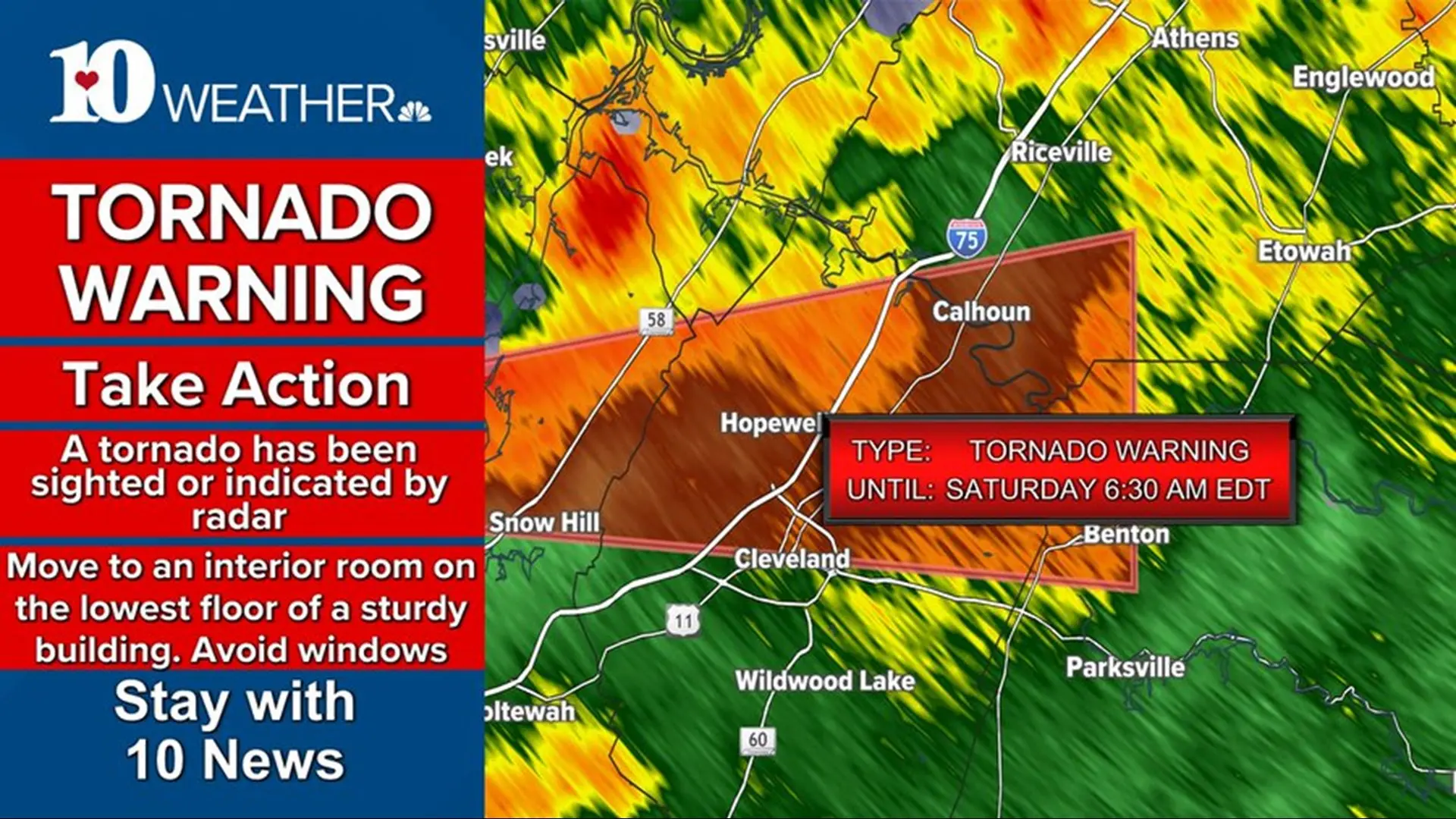
In contrast, a tornado warning indicates that a tornado has been sighted or indicated by radar. This is a serious alert that requires immediate action. Tornado warnings are typically assigned to a smaller area, detailing the specific locations that are directly in the path of the storm.
What to Do During a Tornado Warning
When a tornado warning is in effect, individuals should seek shelter immediately in a basement, storm cellar, or an interior room on the lowest floor of a sturdy building. Staying away from windows and covering themselves with something protective can increase safety during a potential tornado strike.
Conclusion
Understanding the vital differences between a tornado watch and warning can make all the difference in safety during severe weather events. Preparedness often means the difference between life and death. Residents in susceptible areas must remain vigilant and be ready to act swiftly when the alerts are issued. As climate patterns continue to evolve, it is crucial to stay informed and take proactive measures to ensure safety when facing the threat of tornados.