Introduction
As winter approaches, the potential for severe weather increases, prompting meteorological agencies to issue winter weather warnings. These warnings serve as vital alerts to communities, helping residents prepare for potentially hazardous conditions such as snowstorms, ice, and extreme cold. Understanding these warnings is crucial for ensuring safety and minimizing disruptions during winter storms.
What Are Winter Weather Warnings?
Winter weather warnings are issued by the National Weather Service (NWS) and other meteorological organizations when severe winter weather is expected to occur. These warnings are categorized into several types, including winter storm warnings, blizzard warnings, freezing rain advisories, and wind chill advisories. Each type of warning indicates specific weather conditions that pose risks to public safety.
Current Winter Weather Alerts
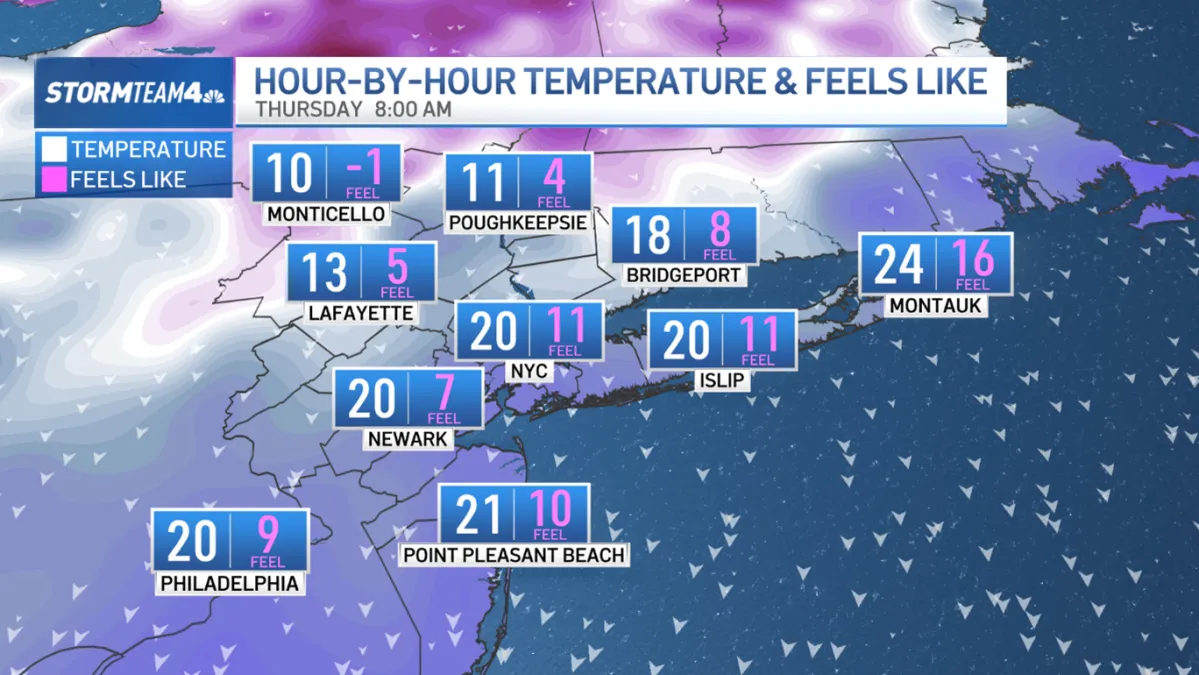
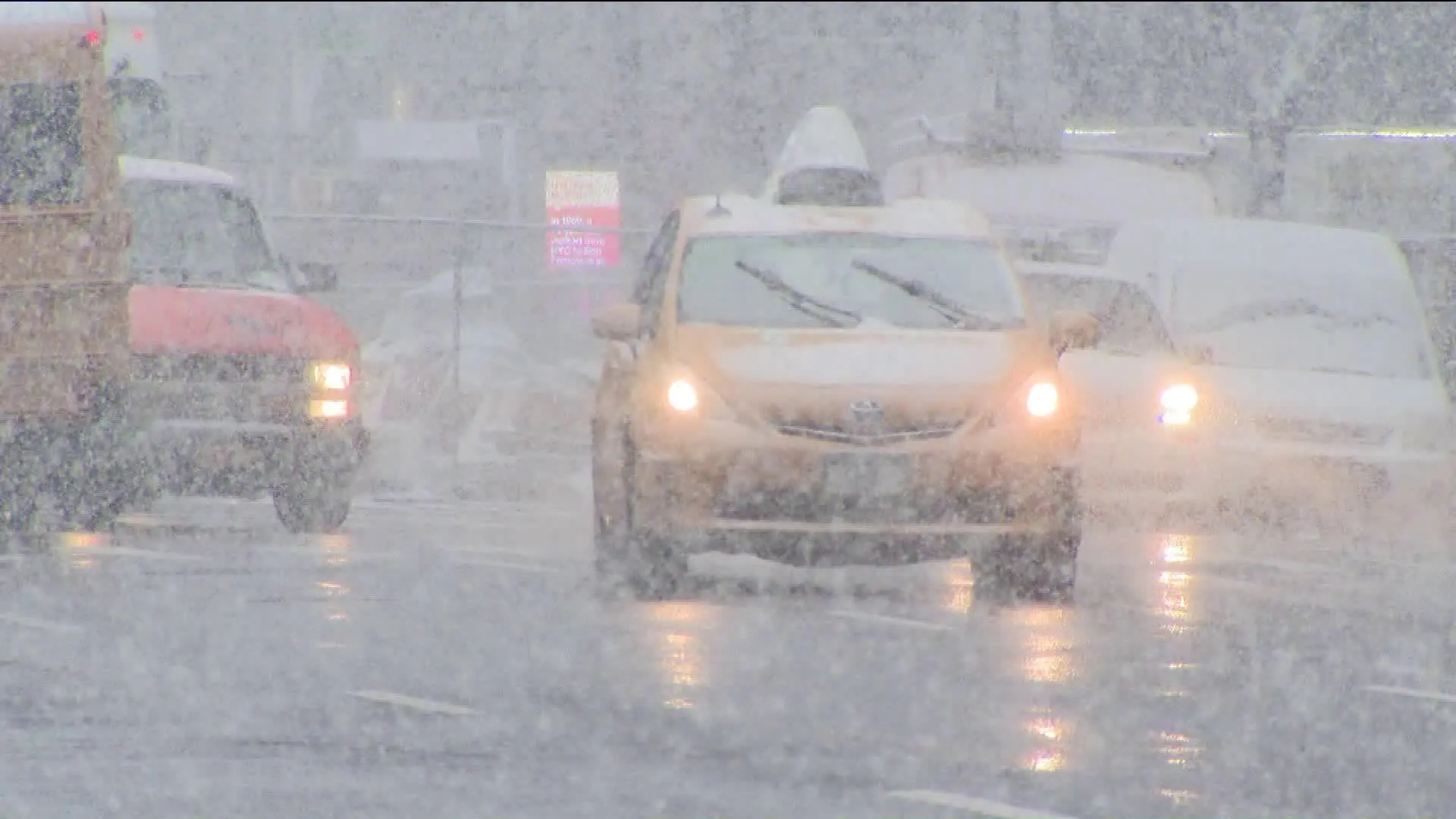
This week, multiple states across the Midwest and Northeast are under winter weather warnings due to an impending storm system. According to the latest reports, areas of Minnesota, Wisconsin, and Michigan are expected to receive significant snowfall, with accumulations of up to 12 inches in some locations. Additionally, ice accumulation is likely in parts of New England, creating treacherous driving conditions.
The NWS has advised residents in affected areas to limit travel during predicted storms, prepare emergency kits, and stay updated on local forecasts. Enhanced travel advisories are in place, urging caution and preparation as conditions can change rapidly during winter events.
Impacts and Precautions
Severe winter weather can lead to a range of impacts, from hazardous road conditions to power outages. Snow and ice accumulation can obstruct roadways, making travel dangerous, while low temperatures can pose health risks to vulnerable populations. It’s essential for residents to stay informed through local news and weather apps, heed warnings from authorities, and prepare their homes and vehicles for extreme conditions.
Conclusion
Winter weather warnings are essential tools leveraging predictive meteorology to keep communities safe during severe winter conditions. By understanding these alerts, individuals and families can take the necessary precautions to safeguard their health and safety against potential weather-related hazards. As fluctuations in winter weather become more pronounced with climate change, staying informed and prepared is more important than ever.