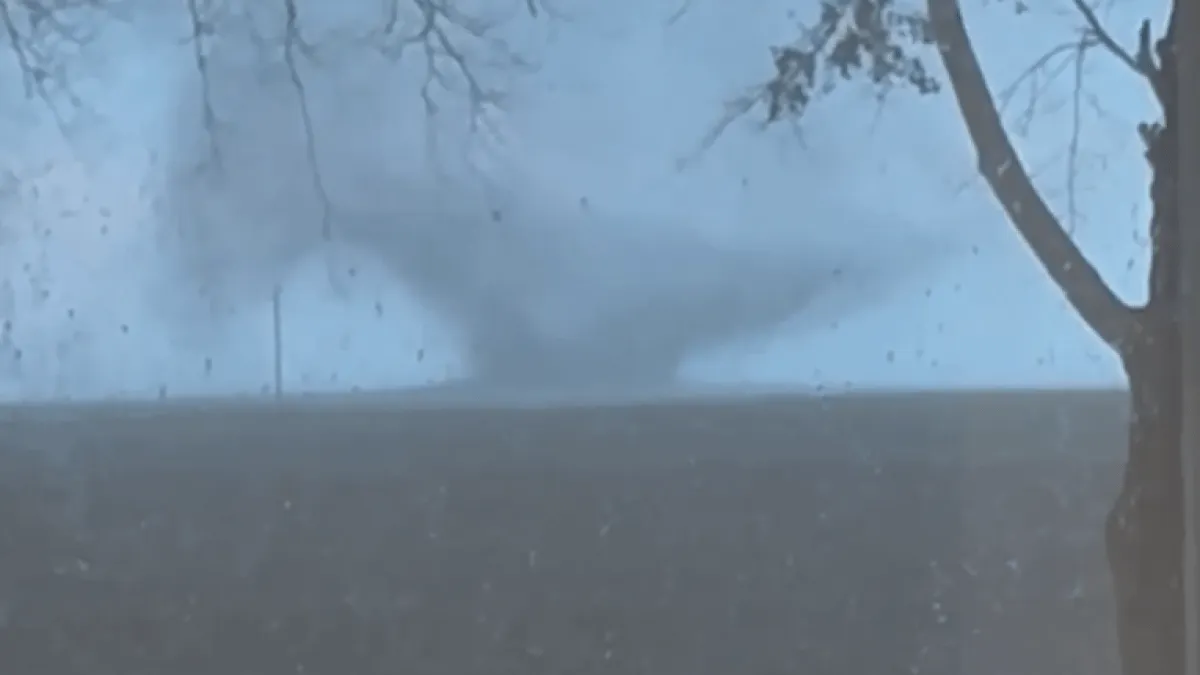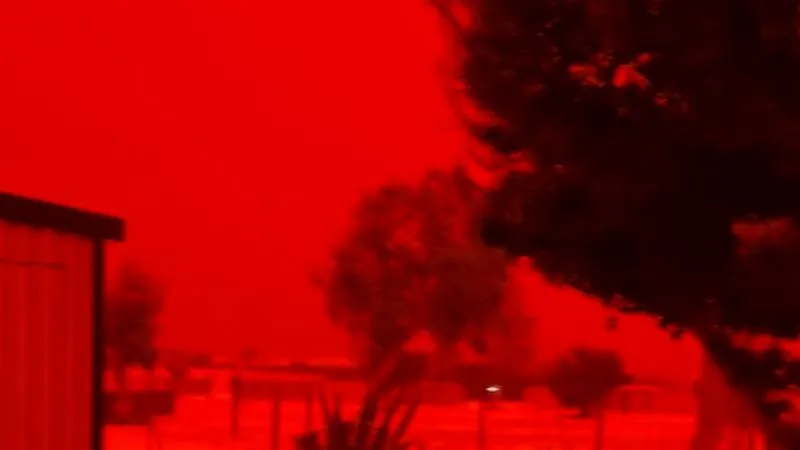
On March 27, 2026, Tropical Cyclone Narelle reached Category 4 intensity, impacting Shark Bay in Western Australia. The cyclone’s powerful winds, which exceeded 250 km/h in Exmouth, caused significant disruptions and a remarkable red sky phenomenon.
The striking red sky was attributed to iron-rich dust being lifted into the atmosphere by the cyclone’s strong winds. This phenomenon is reminiscent of a similar incident in 2009 when dust carried thousands of kilometers turned skies orange as far as Sydney.
As the cyclone progressed, winds were forecasted to reach between 180-190 km/h, prompting emergency services to issue alerts for the affected areas. Despite the severity of the storm, emergency services reported no injuries, although there was widespread structural damage and critical outages in Exmouth.
Queensland Premier David Crisafulli noted, “In many cases it will be the strongest wind people have experienced in this part of the state for a long, long time.” This highlights the unprecedented nature of the cyclone’s impact on the region.
Grower Doriana Mangili expressed concern about the potential damage to crops, stating, “If the winds are as they are forecast – which at the moment is forecast to be 180-190 km/h – then we would unlikely to have any bananas left standing.” This reflects the broader implications for local agriculture and economy.
Although the cyclone has been downgraded, conditions remain dangerous, and emergency alerts are still in effect. The cyclone has also disrupted major gas operations due to damaged infrastructure, further complicating recovery efforts.
As the situation develops, residents and authorities are urged to remain vigilant and prepared for ongoing hazardous conditions. The aftermath of Tropical Cyclone Narelle will likely have lasting effects on the community and environment.
Details remain unconfirmed regarding the full extent of the damage and the timeline for recovery efforts. The community is currently assessing the situation and beginning to address the challenges posed by the cyclone.