Introduction
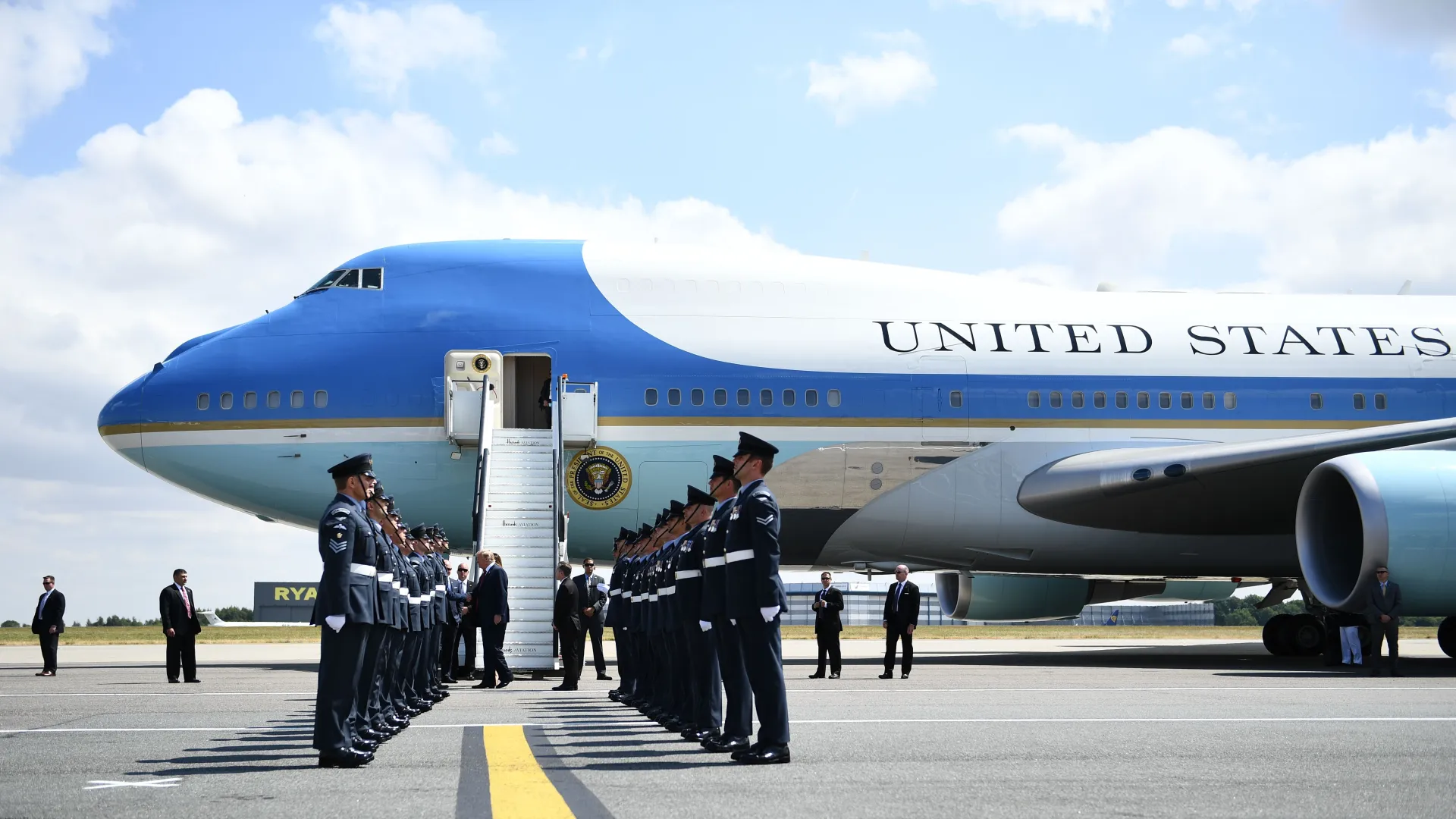
In recent discussions around the future of Air Force One, former President Donald Trump has expressed a strong desire to change the iconic aircraft’s color scheme. This topic is trending due to its historical significance, as Air Force One serves not just as a mode of transport for U.S. presidents but also as a symbol of American power and prestige. Trump’s proposed alterations have reignited debates over the identity and representation of the United States in aviation.
Current Developments
During a recent rally, Trump revealed plans to repaint Air Force One in a style resembling the design from his presidency. The traditional light blue and white colors originated in the 1960s under President John F. Kennedy, have become emblematic of the presidential aircraft. Trump’s preference leans towards a bold, red, white, and blue aesthetic. Supporters argue that such a change would modernize the aircraft and reflect patriotism, while critics warn it may alter the global perception of an aircraft known for its classic elegance.
The discussion has also opened up conversations about the costs and logistics involved in repainting such a high-profile aircraft. Estimates suggest that a complete makeover of Air Force One could run into millions of dollars, raising questions about budgetary priorities, especially in the light of current economic concerns.
Historical Context
Air Force One has undergone various design changes since it was first introduced, with each iteration reflecting the respective administration’s values and priorities. For instance, President Obama maintained the classic Kennedy scheme, while President Bush implemented some slight modifications. Trump’s vision for a new look not only aims for a unique branding opportunity but also seeks to leave a lasting legacy in the history of presidential air travel.
Conclusion
As Trump continues his push for a new Air Force One design, the conversation around this topic will likely influence public perspectives on presidential symbols and their meanings. With a growing interest in how leaders represent the nation internationally, the fate of Air Force One’s paint job could symbolize a broader discussion on national identity. Whether or not these changes will occur remains to be seen, but the implications of such a decision could be significant for future presidential administrations.