Who is involved
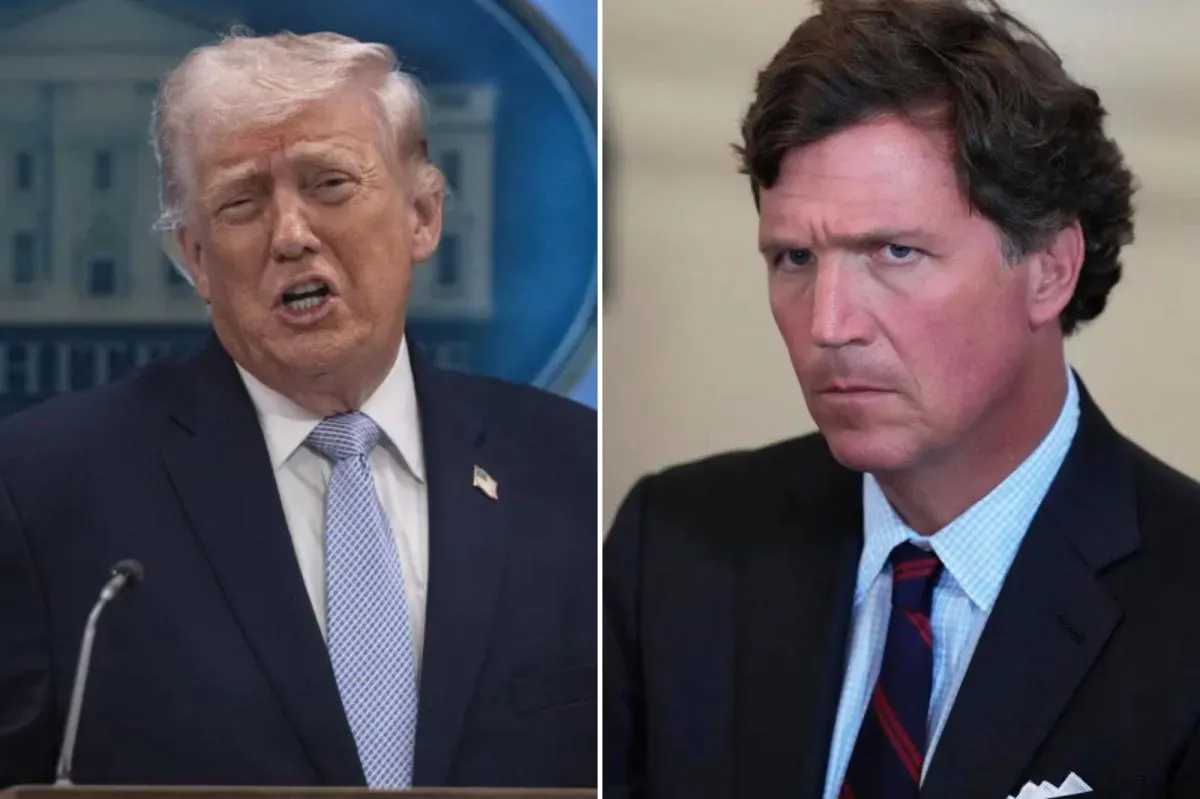
In a surprising turn of events, Tucker Carlson, a prominent media figure, has shifted his stance on former President Donald Trump. Historically, Carlson had been a staunch supporter of Trump, even suggesting divine intervention in Trump’s survival of an assassination attempt. However, recent developments have led to a stark contrast in their relationship.
The decisive moment came on April 7, 2026, when Trump, in a phone call with The Post, referred to Carlson as a “low-IQ person”. This comment marked a significant departure from their previously aligned views. In the same context, Carlson publicly urged U.S. officials to oppose Trump’s aggressive military plans against Iran, stating, “Now it’s time to say no, absolutely not, and say it directly to the president, no.” This direct challenge indicates a profound shift in Carlson’s approach towards Trump.
Trump’s rhetoric has escalated, threatening that “a whole civilization will die tonight” if Iran does not comply with his demands regarding the Strait of Hormuz. In response, Carlson criticized Trump’s Easter morning post as “vile on every level” and labeled Trump’s threats against Iran’s civilian infrastructure as a “war crime.” This public rebuke underscores the growing rift between the two figures.
Furthermore, Carlson suggested during his podcast that Trump might be the antichrist, illustrating the depth of his discontent. He also remarked that officials should tell Trump to “figure out the codes on the football yourself,” indicating a lack of confidence in Trump’s decision-making regarding military actions.
The implications of this shift are significant for both Carlson and Trump. Carlson’s criticism could alienate a portion of his audience that remains loyal to Trump, while Trump’s derogatory remarks about Carlson may undermine his credibility among some supporters. The ongoing tensions highlight the complexities of their relationship, which has evolved from mutual support to public criticism.
Experts suggest that Carlson’s change in tone may reflect a broader concern among some conservatives about Trump’s approach to foreign policy, particularly regarding military interventions. As the political landscape continues to shift, the dynamics between influential figures like Carlson and Trump will be closely monitored.
Details remain unconfirmed regarding how this public fallout will affect their respective platforms and future interactions. The political ramifications of this conflict could resonate beyond their personal relationship, influencing the broader discourse on U.S. foreign policy and media narratives.