Introduction
Antifa, short for anti-fascist, has become a notable part of contemporary political discourse in the United States and beyond. This loosely organized network of activists seeks to oppose far-right ideologies, particularly fascism and white supremacy. The relevance of Antifa has surged in recent years, especially amidst rising tensions surrounding issues of racial inequality, law enforcement, and political polarization.
Origins and Beliefs of Antifa
Antifa’s roots can be traced back to anti-fascist movements in Europe during the 1920s and 1930s. It gained renewed interest in the U.S. following the 2016 presidential election, as many felt that extremist views were becoming more mainstream. Members typically advocate for direct action and community organizing while opposing systemic racism, sexism, and homophobia. While some identify with broader leftist ideologies such as socialism or anarchism, Antifa itself is not a unified group with a formal structure.
Recent Events and Developments
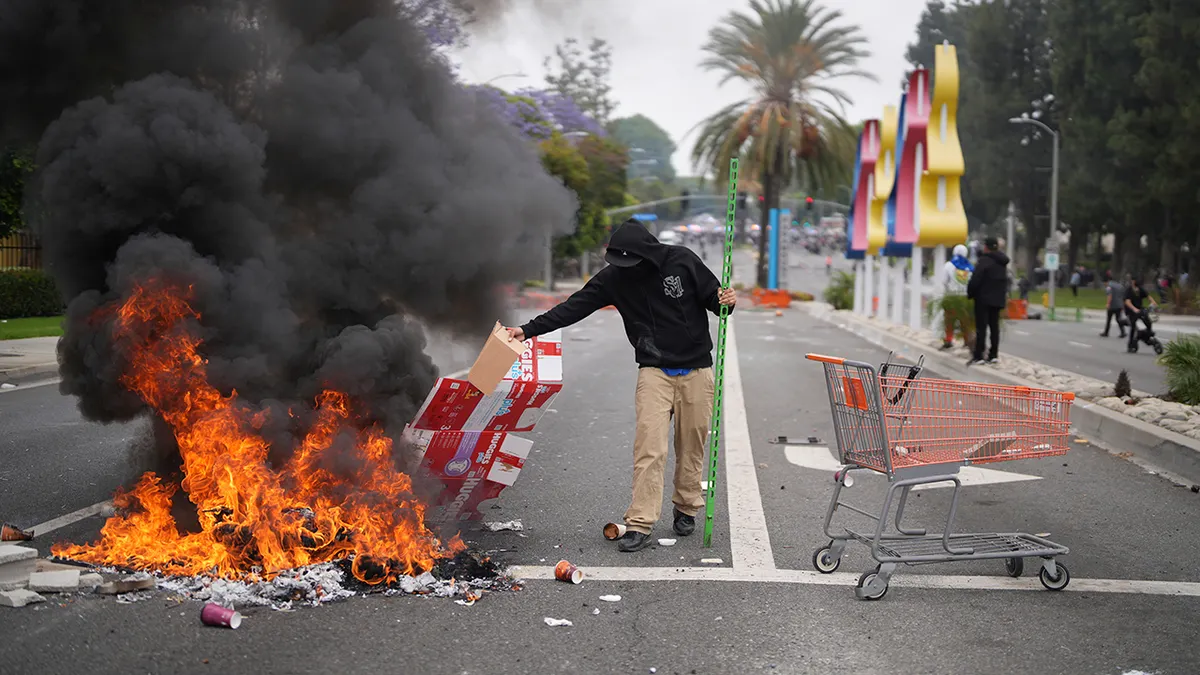
In recent years, Antifa has been at the center of numerous protests across the United States. Prominent events include a counter-demonstration against a white supremacist rally in Charlottesville, Virginia, in 2017, which drew significant national attention and condemnation. More recently, during the nationwide protests following the death of George Floyd in 2020, Antifa was frequently mentioned in media reports, with some claiming that members were inciting violence or chaos. Federal authorities have targeted alleged Antifa members as part of their broader crackdown on domestic extremism.
Impacts on Society and Politics
Antifa’s activities raise critical discussions about free speech, the limits of protest, and the role of direct action in modern activism. Supporters contend that their willingness to confront hate groups is vital for protecting marginalized communities, while critics argue that their tactics can undermine legitimate protests and lead to escalation of violence. The narrative surrounding Antifa has also been politicized, influencing public opinion and policy at all levels of government.
Conclusion
As Antifa continues to be a polarizing topic in U.S. politics, its influence and actions will likely persist in the discourse surrounding civil rights and anti-fascism. With the rise of far-right movements globally, understanding the dynamics of groups like Antifa is essential for comprehending contemporary social and political movements. Observers predict that as issues of systemic racism and inequality continue to unfold, Antifa will remain a significant, albeit contentious, aspect of the broader fight for social justice.