Introduction
Argentina, the third-largest country in South America, has been facing significant economic challenges over the past years. With a rich cultural heritage and abundant natural resources, its economy is vital not only for its citizens but for the region as a whole. Currently, Argentina’s situation is especially relevant as it undergoes transformations that could impact various socio-economic aspects, including inflation, employment, and international trade.
Current Economic Situation
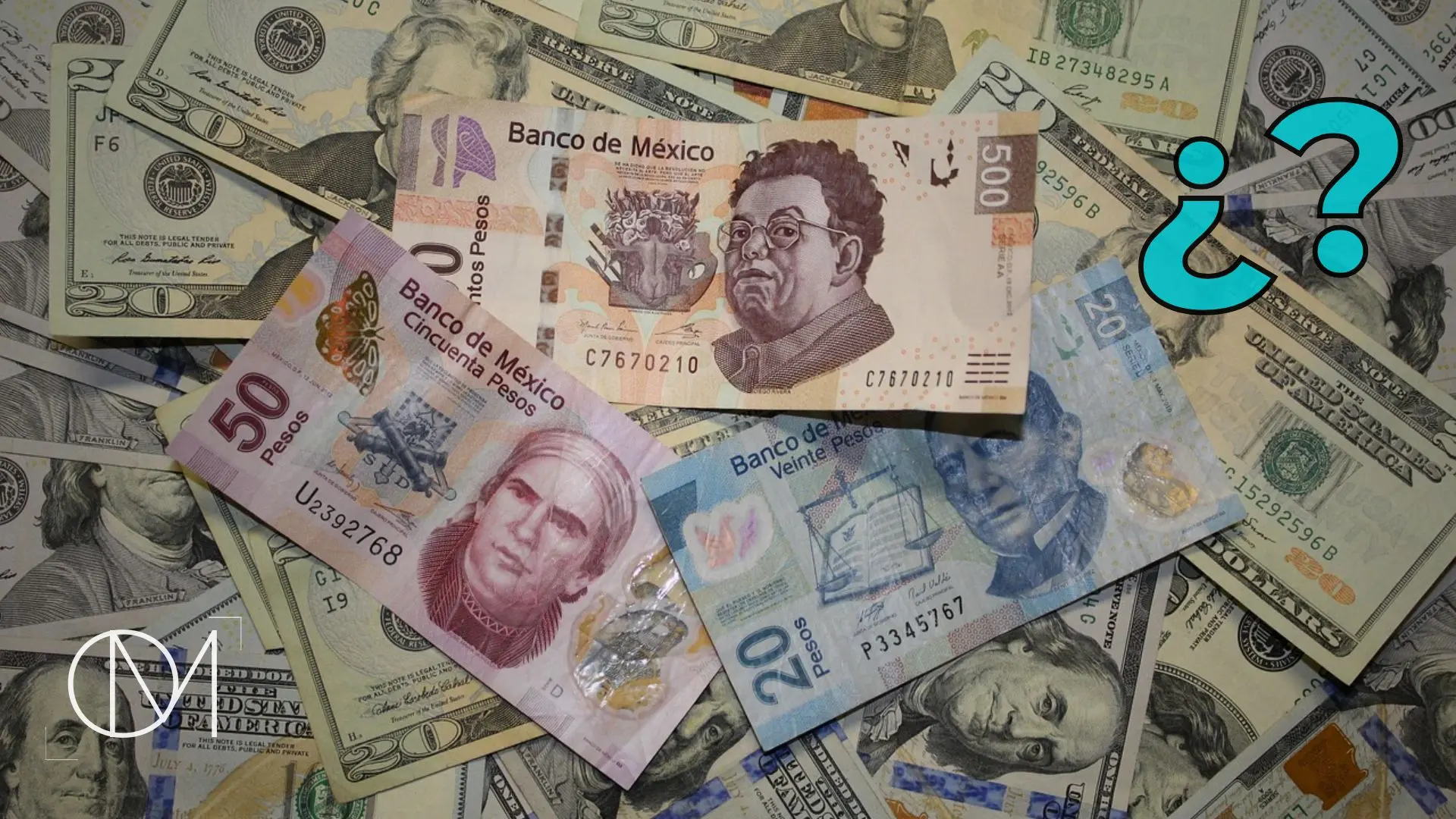
As of October 2023, Argentina is grappling with a staggering inflation rate that has surpassed 100%. This economic distress has affected basic commodities, making essential goods increasingly unaffordable for the average citizen. According to the National Institute of Statistics and Censuses (INDEC), the inflation rate for 2023 is projected to be one of the highest in the world. In June, the economy contracted by 2.3%, with agriculture and industry being heavily impacted.
The recent presidential elections also stirred hopes for economic implementation plans. Javier Milei, an economically liberal candidate, won the presidency and is advocating for radical changes to the economic model, including dollarization and reduced public spending. This shift has generated both support and skepticism among economists and the general public.
International Relations and Trade
On the international front, Argentina’s relationships, especially with the United States and China, have been pivotal. The government is exploring trade agreements to enhance economic stability. Argentina’s export sector, particularly in agriculture (soybeans, corn, and beef), remains crucial for its economy. However, the country faces tough competition, particularly from neighboring Brazil, which has a more favorable agricultural production climate.
Conclusion
In conclusion, Argentina’s challenges are multifaceted, making the road to economic recovery complex and uncertain. The recent elections may usher in new policies aimed at stabilizing the economy, but the effectiveness of these changes will take time to manifest. For Argentinians and international observers alike, keeping an eye on Argentina’s impending economic reforms is essential. These developments could have significant implications for their financial future and the broader economic landscape in Latin America.