The Importance of Flood Warnings
As extreme weather events become increasingly frequent, flood warnings are vital for communities to prepare and respond effectively. Floods can cause significant damage to property, infrastructure, and, most importantly, human life. Knowing what to do in the face of a flood warning can make the difference between safety and disaster.
Current Flood Warning Events
Recently, several regions across the United States have been under flood warnings due to heavy rainfall and rising river levels. The National Weather Service (NWS) issued warnings for parts of the Midwest, including areas in Missouri and Illinois, where predictions indicate that rivers could exceed flood stage by significant margins. Similarly, sections of the southeastern U.S. are also facing flash flood warnings as tropical storms bring intense rainfall.
The Mechanism Behind Flood Warnings
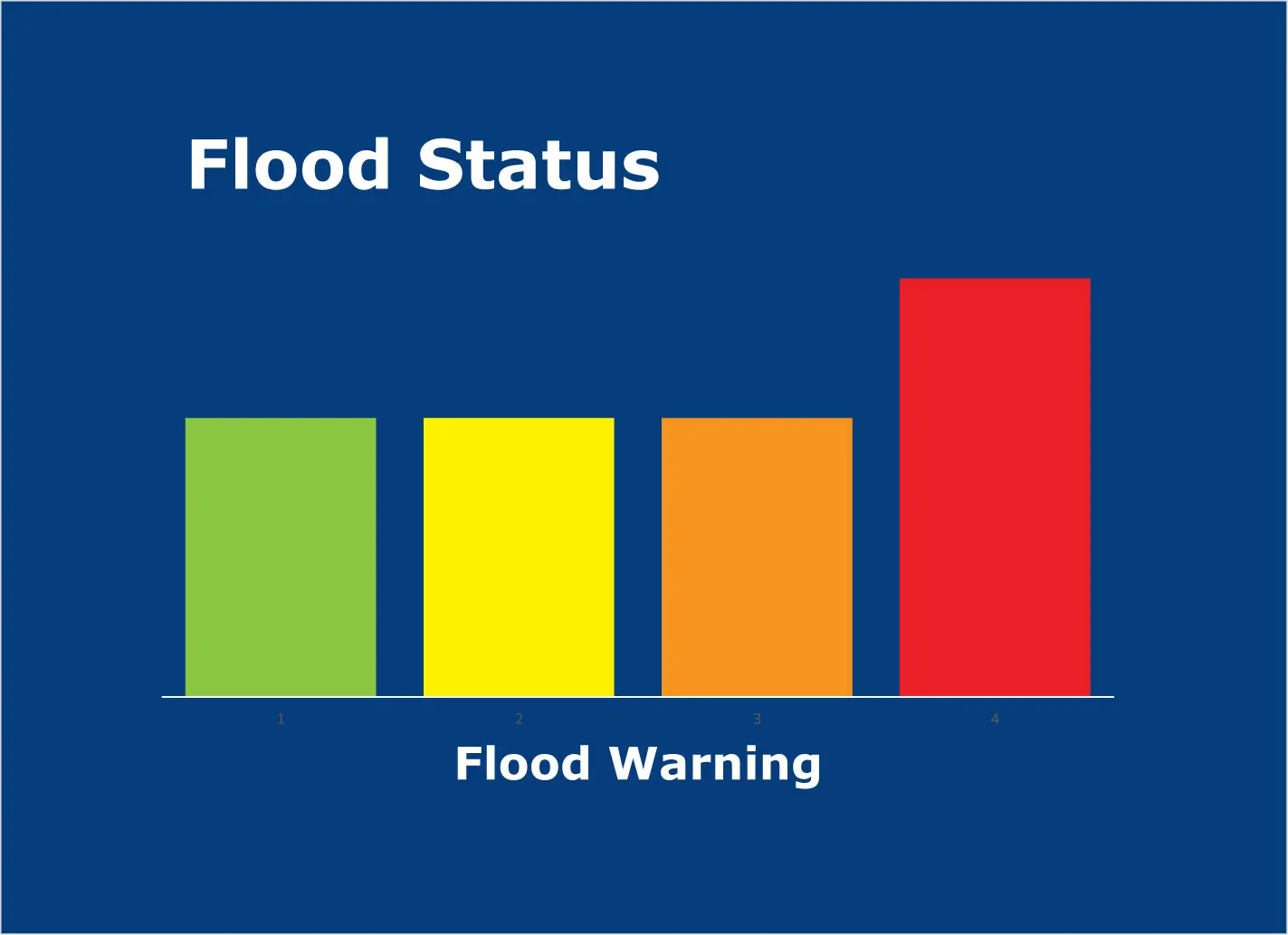
Flood warnings are disseminated through various channels, including local radio stations, television broadcasts, and mobile alert systems. The NWS utilizes a color-coded system to convey the severity of the risk: Flood Watch indicates potential flooding, Flood Warning means flooding is imminent or already occurring, and Flash Flood Warning signifies that dangerous conditions are happening rapidly. This structured approach helps communities understand the level of threat and take appropriate action.
Safety Measures During Flood Warnings
During a flood warning, it’s crucial to heed safety advice and take proactive steps. Residents in high-risk areas should:
- Monitor local news and weather reports for updates
- Have an emergency kit ready that includes food, water, medications, and important documents
- Evacuate if advised to do so, and always follow instructions from local authorities
- Avoid driving through floodwaters, and stay away from rivers and streams
Conclusion: The Need for Preparedness
Flood warnings are a critical tool in disaster preparedness and response. As climate change continues to alter weather patterns, communities must be equipped with knowledge and resources to handle such emergencies effectively. Individuals are encouraged to stay informed and develop response plans that can be swiftly enacted during flood alerts. By doing so, they can help ensure their safety and that of their loved ones, ultimately minimizing the impact floods can have on their lives.