Introduction
As winter sets in across the United States, extreme cold warnings are becoming increasingly relevant. These alerts are critical in informing the public about the dangers posed by severe temperature drops, which can lead to frostbite, hypothermia, and other life-threatening conditions. Understanding these warnings and their implications is essential for ensuring personal safety and preparedness during the cold months.
Overview of Current Extreme Cold Warnings
Recently, various regions, particularly in the northern states, have been under extreme cold warnings issued by the National Weather Service (NWS). The warnings indicate that temperatures could plummet to -20 degrees Fahrenheit or lower, accompanied by dangerous wind chill factors that can make conditions feel even colder. Areas such as North Dakota, Minnesota, and parts of Wisconsin have been among the hardest hit, with temperatures dropping significantly below the seasonal averages.
Impacts on Safety and Daily Life
When extreme cold warnings are issued, the community’s safety becomes a primary concern. Local authorities urge residents to take preventative measures, such as staying indoors, layering clothing, and ensuring that pets are protected from the cold. Additionally, the warnings affect daily life, leading to school closures, delays in transport systems, and disruptions to essential services like heating and power. The economic impact can also be significant, with businesses facing reduced customer attendance and increased operational costs.
Preparedness Tips
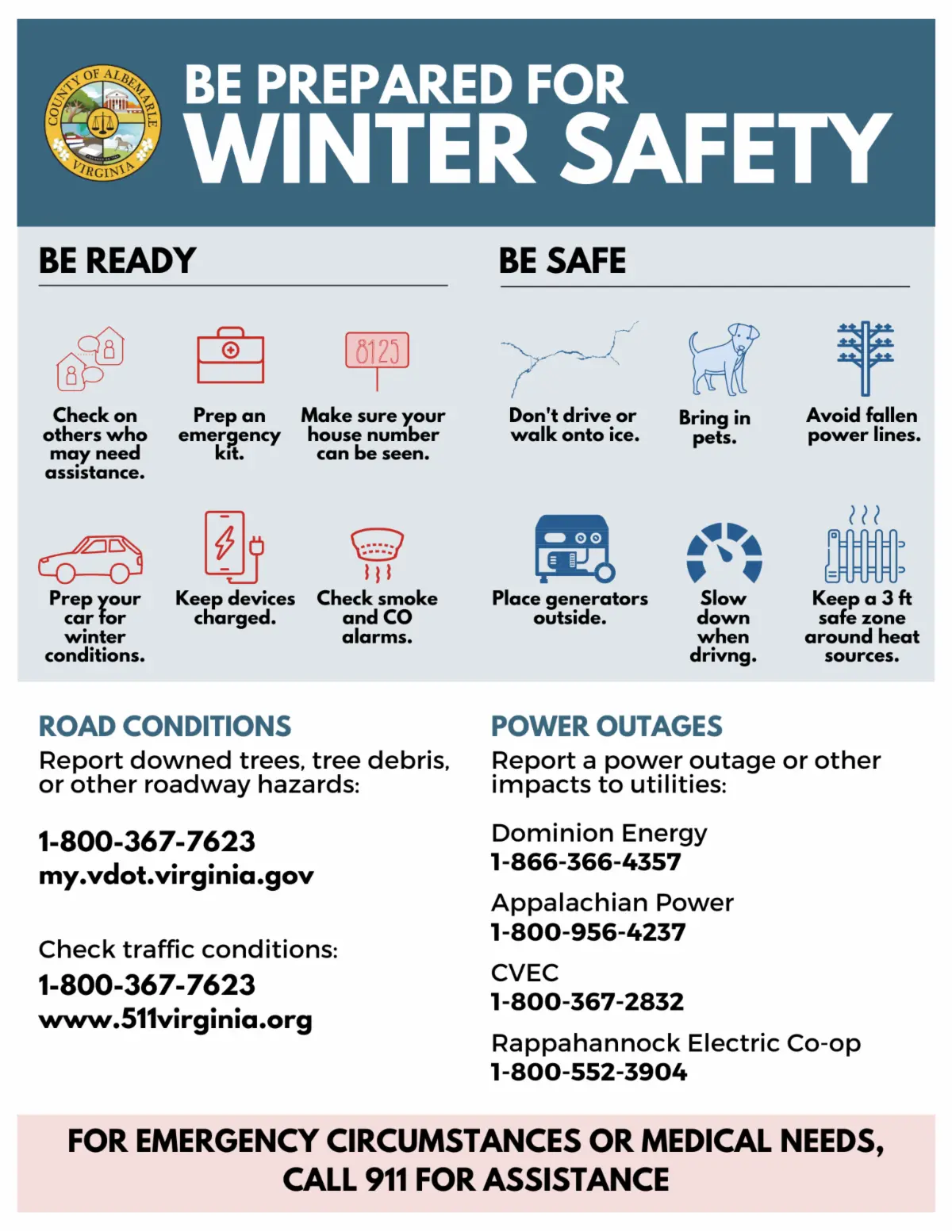
Being prepared can significantly mitigate the risks of extreme cold. Here are some tips for individuals and families:
- Stay indoors and avoid unnecessary travel during extreme cold warnings.
- Keep extra blankets, sufficient food supplies, and batteries on hand in case of power outages.
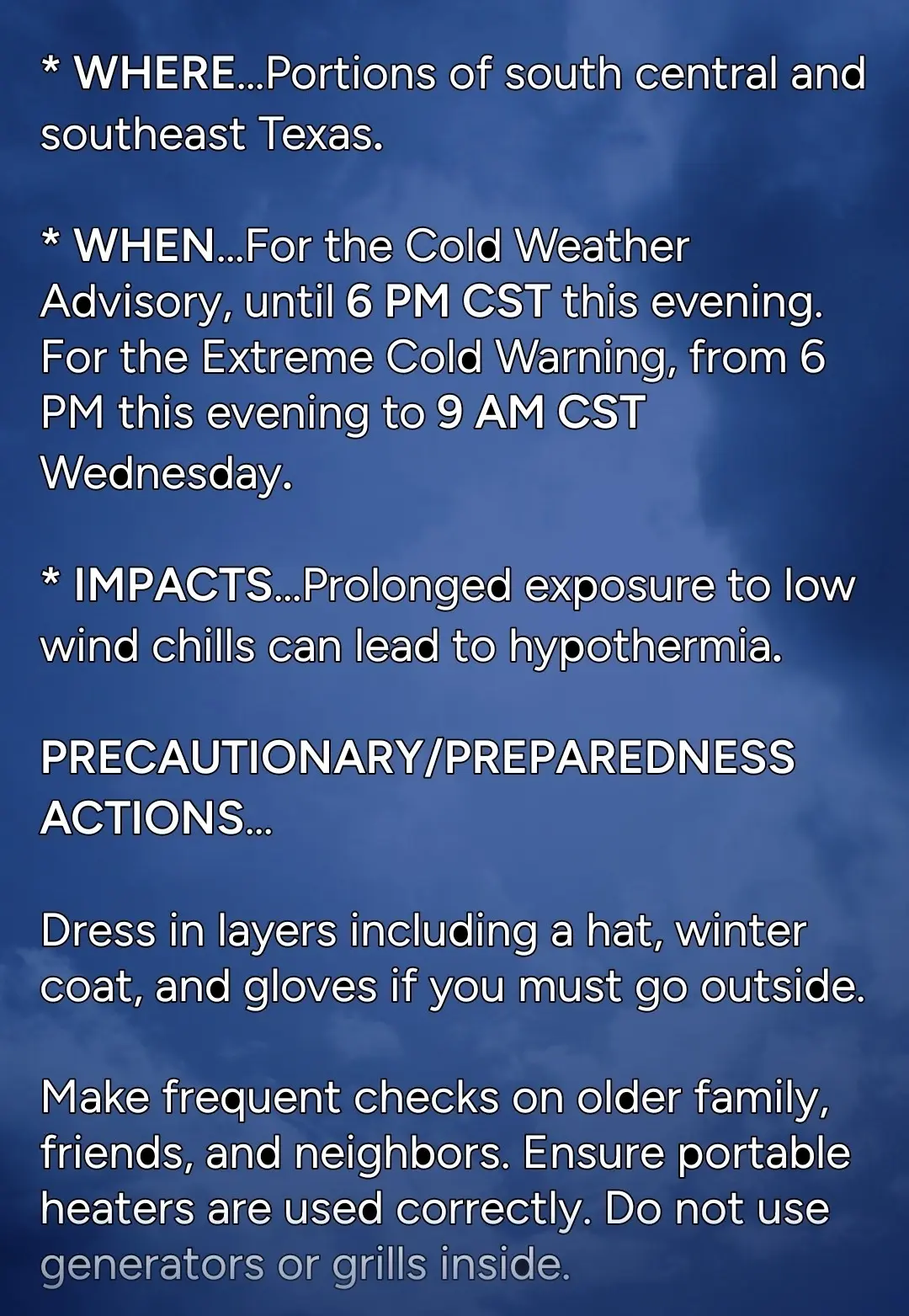
- Dress warmly in layers, covering all exposed skin when going outdoors.
- Check on vulnerable members of the community, such as the elderly or those living alone.
Conclusion
Extreme cold warnings serve as vital notifications that can prevent serious health risks associated with frigid winter weather. While it is necessary to heed these warnings and prepare adequately, it is equally important for communities to come together in support during these challenging times. As climate patterns continue to shift, the occurrence of extreme cold events may become more frequent, emphasizing the need for increased awareness and preparedness across all states.