Introduction
As winter approaches, weather advisories, including freeze warnings, become increasingly significant for American communities. These alerts signal temperatures dropping to levels that can harm plants, animals, and pose safety risks for humans. Gaining knowledge about what constitutes a freeze warning and how to prepare can help mitigate these dangers.
What is a Freeze Warning?
A freeze warning is issued by the National Weather Service when temperatures are forecasted to drop below freezing (32°F or 0°C) for prolonged periods. The warning is particularly crucial during early spring or late fall when many crops may be vulnerable. Areas at risk not only include agricultural regions but also suburban and urban settings where individuals may be unprepared for sudden cold snaps.
Recent Freeze Warnings Across the U.S.
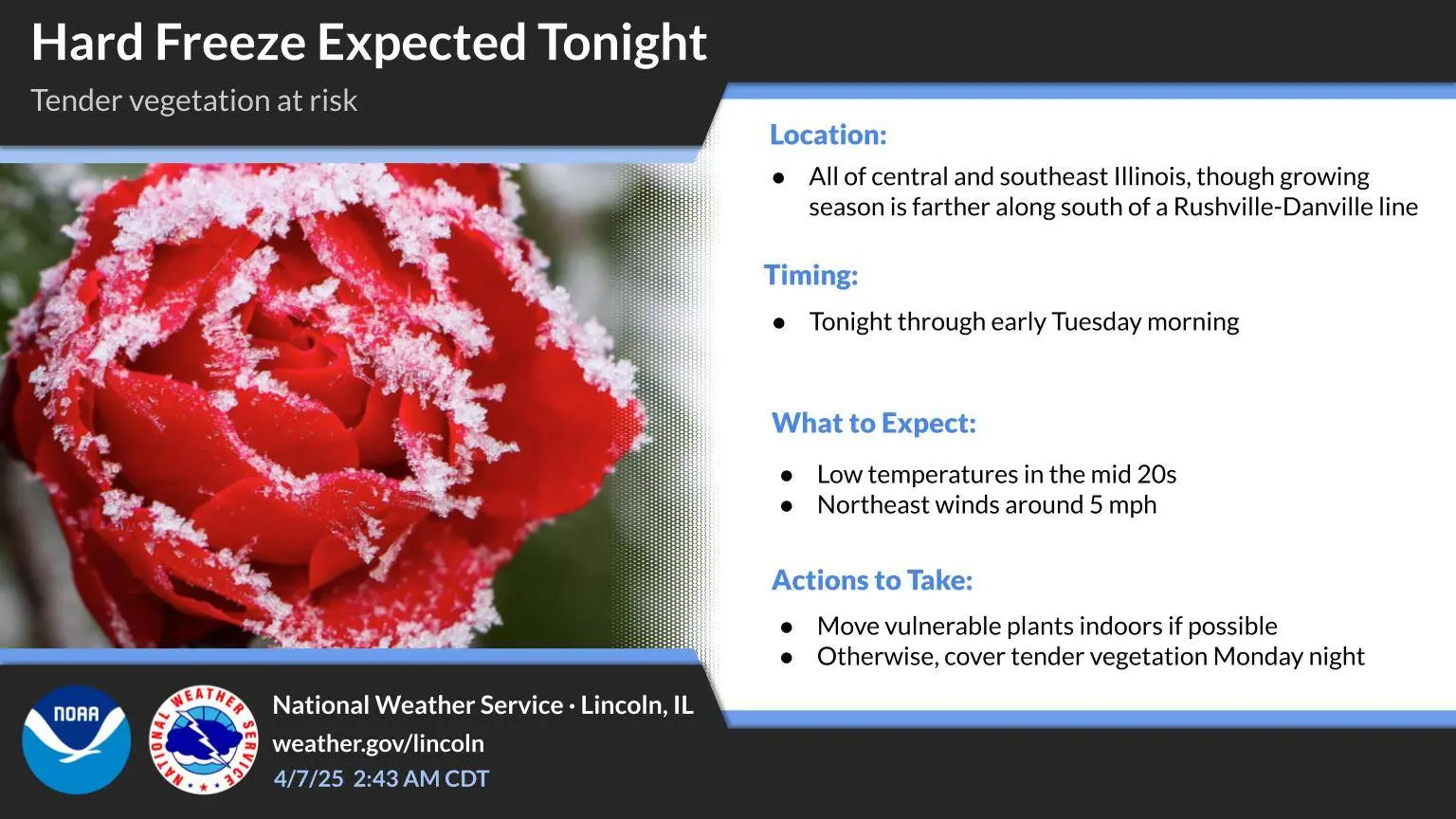
This past October, various regions in the Midwest and Northeast issued freeze warnings as night temperatures dipped significantly. For instance, cities like Chicago and Indianapolis experienced temperatures falling into the upper 20s°F — leading to the potential for frost and ice formation. These warnings serve to alert residents to take precautions to protect their vegetation, pets, homes, and themselves.
Preparation Tips
During a freeze warning, here are several steps you can take to safeguard your property and health:
- Cover Plants: Use frost blankets or cloths to cover sensitive plants and help insulate them from cold.
- Bring Pets Indoors: Ensure that pets are kept indoors and warm to prevent exposure to harsh conditions.
- Check Heating Systems: Have heating systems inspected and in working order before temperatures drop.
- Insulate Pipes: Protect water pipes from freezing by insulating them or allowing a small stream of water to run through during extreme cold.
- Stay Informed: Monitor local weather reports and heed any advisories or updates from the National Weather Service.
Conclusion
Freeze warnings are critical advisories that help communities prepare for adverse weather conditions. By understanding the implications of these warnings and taking proactive steps, residents can safeguard their health and property. As climate changes continue to impact weather patterns, maintaining awareness of freeze warnings will remain essential for ensuring safety throughout the winter months.