The Significance of Freeze Warnings
As winter approaches, weather-related alerts become more critical for communities, especially freeze warnings. These warnings are issued by the National Weather Service (NWS) to alert the public of forecasted temperatures that could dip below freezing, posing risks to crops, sensitive vegetation, pipes, and even human health. Understanding freeze warnings can help households and businesses take preventive actions that safeguard their property and well-being.
What Triggers a Freeze Warning?
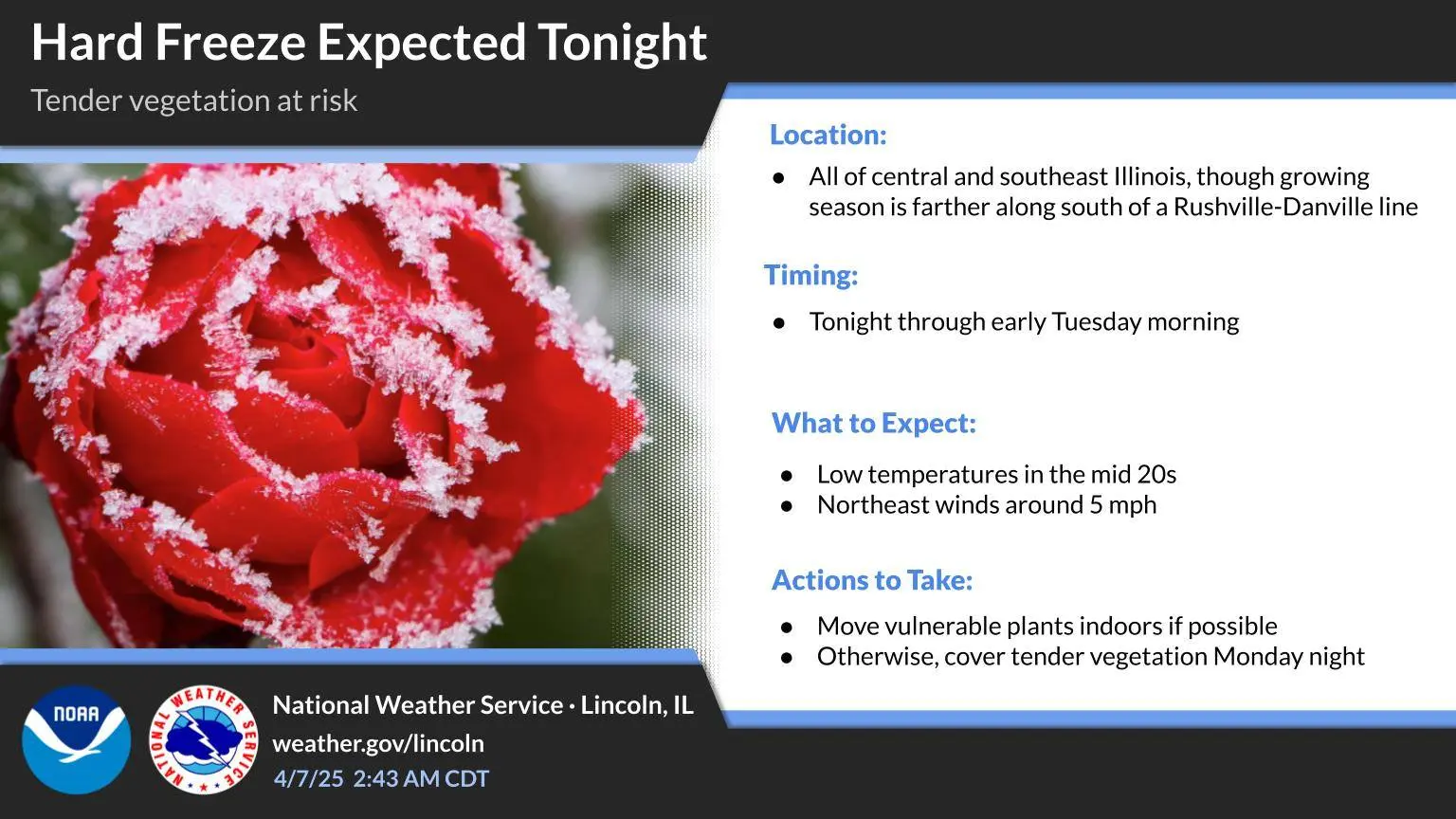
A freeze warning is typically issued when a forecast predicts temperatures to fall below 32°F (0°C) for several hours, particularly during the night. Conditions can vary, but clear skies, light winds, and low humidity often lead to radiational cooling, which causes temperatures to plummet. In many regions, these warnings signify the transition into winter, marking the time to prepare for colder conditions.
Recent Freeze Warnings Across the U.S.
Recently, various regions in the United States have experienced freeze warnings. In the Midwest, areas like Wisconsin and Iowa faced severe alerts last week, with temperatures dropping significantly, prompting farmers to cover crops and homeowners to insulate exposed plumbing. Similarly, several southern states, typically warm year-round, encountered rare freeze warnings, catching many residents off guard. Data from the NWS indicate an increasing trend in the frequency and unpredictability of freeze warnings, as climate patterns shift.
Effects and Precautions
Freeze warnings can have widespread effects. For agriculture, farmers often scramble to protect crops susceptible to cold temperatures. Homeowners are advised to wrap pipes, disconnect garden hoses, and take steps to ensure their heating systems are functional. Moreover, vulnerable populations, such as the elderly, need to be particularly careful about exposure to cold. Community initiatives often mobilize to provide shelter and resources for those in need during freeze alerts.
Looking Ahead
As climate change continues to alter weather patterns, experts are forecasting more frequent and severe freeze warnings, particularly in areas that are not accustomed to such conditions. It is essential for residents to stay informed through local alerts and weather services. By understanding the implications of freeze warnings and taking proactive measures, communities can better mitigate the risks associated with these cold snaps.
Conclusion
In conclusion, freeze warnings are an essential aspect of winter weather alerts, helping communities prepare for the cold. Awareness and preparedness can significantly reduce damage and health risks, making it crucial for individuals to heed these warnings. As the winter season unfolds, staying updated with reliable forecasts will be vital for everyone.