Introduction
Freezing fog advisories are essential notifications issued by weather agencies to warn the public about the dangers of freezing fog, a phenomenon that can pose significant risks to travel and outdoor activities. As winter approaches, the likelihood of freezing fog increases in many regions, making it crucial for residents to stay informed about the weather conditions and related safety precautions.
What is Freezing Fog?
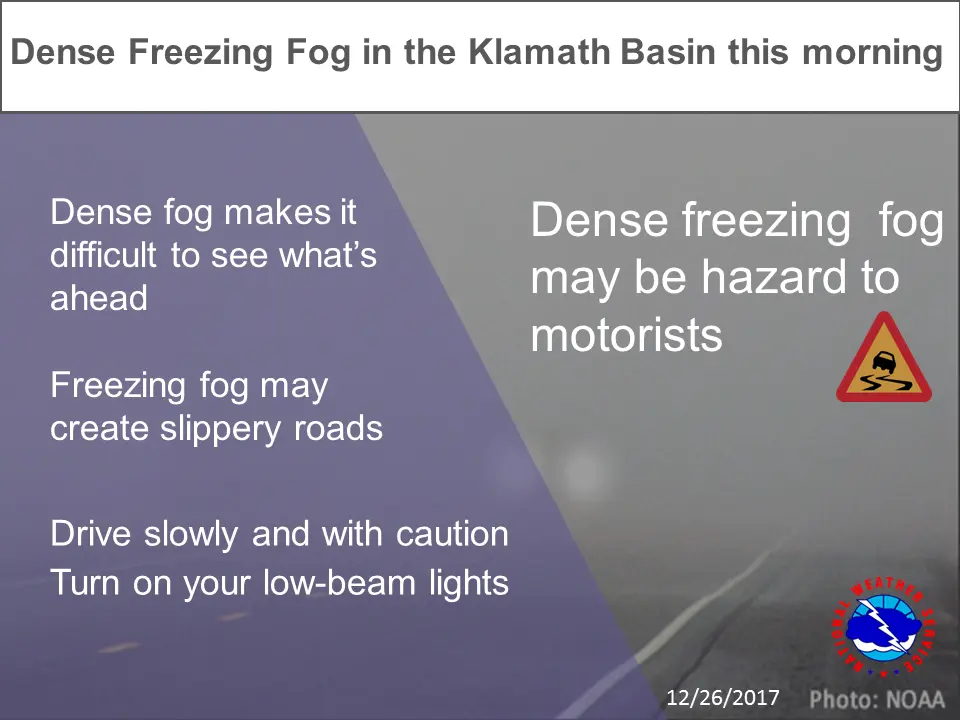
Freezing fog occurs when the moisture in the air condenses into tiny droplets that remain suspended as a fog and freezes upon contact with surfaces, such as roads, bridges, and vegetation. This can create extremely hazardous conditions due to the formation of ice. Visibility can also be significantly reduced, further complicating transportation.
Current Situation and Weather Patterns
As of early December 2023, numerous areas across the Midwest and Northeast United States are under freezing fog advisories, impacting travel and daily activities. Forecasters from the National Weather Service (NWS) indicate that temperatures dropping low enough for freezing fog are expected to last through the week. Highway departments and local governments are assessing conditions and taking steps to mitigate the impact of icy roads.
Recommendations for Safety
In light of freezing fog advisories, officials recommend several safety measures:
- Reduce Speed: Drivers should lower their speeds and increase following distances to accommodate decreased visibility and potential icy conditions.
- Use Headlights: Use low-beam headlights when driving in fog to improve visibility without causing severe glare.
- Avoid Unnecessary Travel: If possible, stay indoors until conditions improve.
- Monitor Weather Updates: Keep updated with local news and weather reports for the latest advisories and road conditions.
Conclusion
Freezing fog advisories are crucial for public safety, particularly during winter months when this weather phenomenon is more likely to occur. Understanding the dangers of freezing fog and following recommended safety measures can significantly reduce the risk of accidents. As weather patterns change, residents are urged to remain vigilant and prepared for icy conditions to ensure their safety and well-being.