Introduction
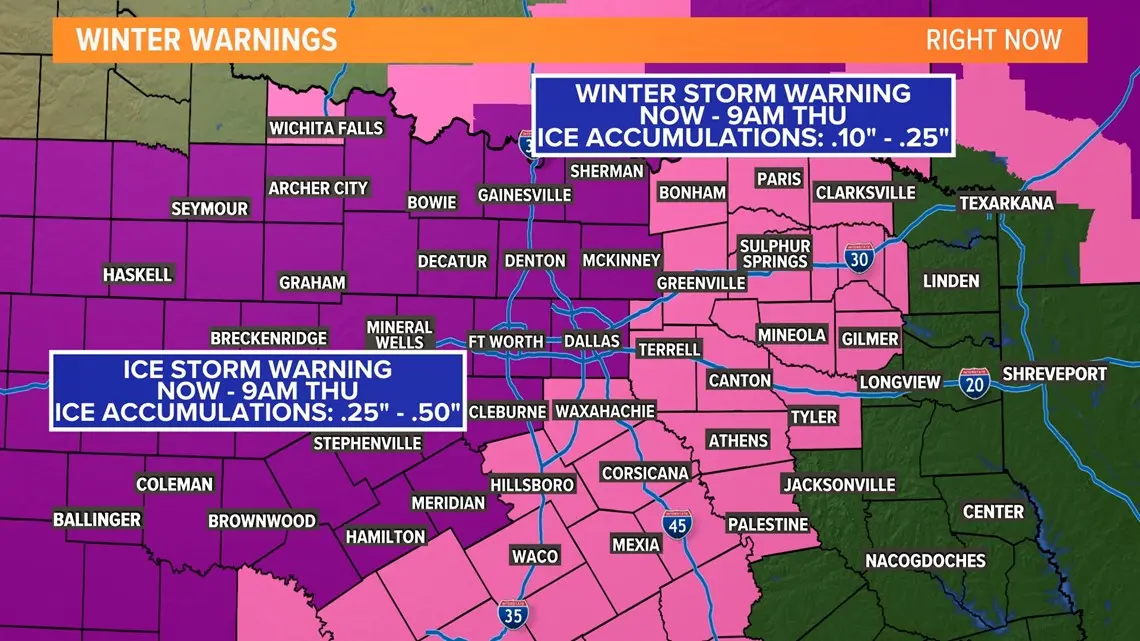
As winter weather intensifies across various parts of the United States, ice storm warnings have become increasingly critical for ensuring public safety and preparedness. These warnings, issued by the National Weather Service (NWS), alert residents to the potential dangers associated with freezing rain and icy conditions. Understanding the nuances of ice storm warnings can help communities take proactive measures to mitigate risks and protect lives.
Current Events and Warnings
In recent weeks, several regions, particularly in the Midwest and Northeast, have faced significant ice storm warnings. Meteorologists have noted that this year’s winter has been particularly severe, with multiple ice storm events impacting states like Missouri, Illinois, and Pennsylvania. For example, the NWS issued a warning for parts of central Illinois, predicting up to a quarter-inch of ice accumulation, leading to hazardous travel conditions and potential power outages. Local authorities have advised residents to remain indoors unless absolutely necessary during these events, emphasizing the risks associated with driving on icy roads.
Impacts of Ice Storms
Ice storms can severely affect infrastructure, transportation, and daily life. When ice accumulates on power lines and trees, it can lead to downed lines and widespread power outages. Recent reports indicate that thousands of residents may experience interruptions in their electricity supply as utility companies work diligently to restore services after ice events. Moreover, transportation systems can be significantly disrupted, with flight cancellations and delays reported at major airports, as icy conditions make runways unsafe.
Preparation and Safety Measures
Experts recommend being prepared for ice storm warnings by having an emergency kit that includes items such as bottled water, non-perishable food, flashlights, and batteries. Additionally, residents should keep their devices charged and have a plan in place for heating their homes in case of power outages. Staying informed about weather updates and adhering to local advisories is essential for ensuring safety during ice storm events.
Conclusion
Ice storm warnings serve as crucial indicators of impending hazardous weather conditions. As climate patterns evolve, the frequency of ice storms may increase, making it imperative for residents to stay informed and prepared. By understanding the implications of these warnings and taking appropriate safety measures, communities can better withstand the impacts of winter storms. Looking ahead, it is vital for individuals to monitor weather reports and follow guidance from local authorities to navigate through potential ice storm threats effectively.