Introduction
Inflation remains a focal point in global economies, impacting everything from consumer spending to policy decisions. As inflation rates continue to fluctuate, understanding the current trends and their implications is crucial for consumers, businesses, and policymakers alike. Recent reports indicate a gradual rise in inflation due to various factors including supply chain disruptions, rising energy costs, and shifts in consumer demand.
Recent Trends in Inflation
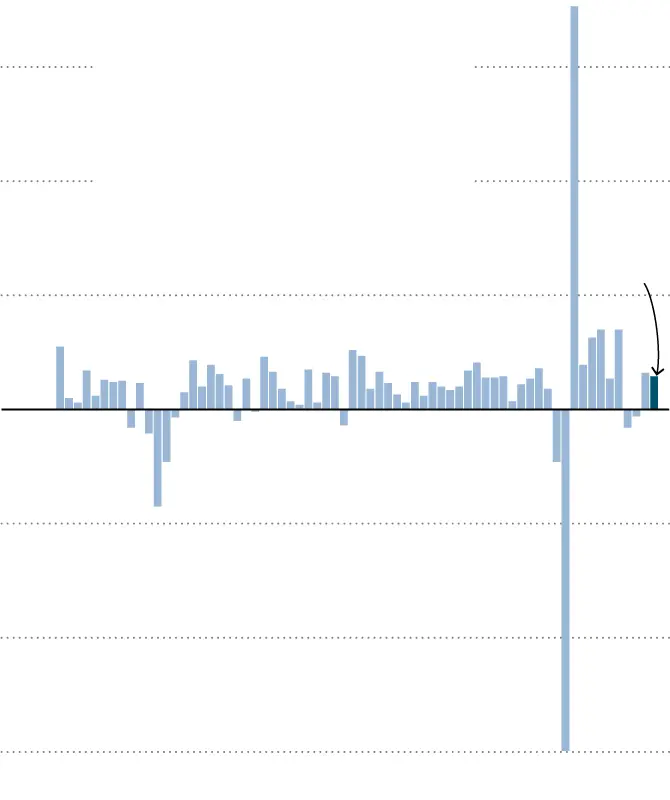
According to the latest data from the Consumer Price Index (CPI) released by the Bureau of Labor Statistics, inflation rates reached 4.2% year-over-year as of September 2023. This figure, while lower than the highs experienced in 2022, indicates persistent pressures on prices across multiple sectors. Essential categories such as food, housing, and transportation have seen notable increases. For instance, food prices have surged by 6.7%, largely due to higher costs of raw materials and transportation.
Global Influences on US Inflation
The inflation landscape is not solely dictated by domestic factors. The ongoing geopolitical tensions, particularly the conflict in Eastern Europe, have exacerbated energy prices on the global stage. The U.S. Energy Information Administration reported a 15% increase in the price of crude oil over the last quarter, which in turn affects gasoline prices, further straining household budgets. Additionally, the lingering effects of the COVID-19 pandemic continue to disrupt supply chains, making it difficult for goods to reach consumers efficiently and affordably.
Central Bank Responses
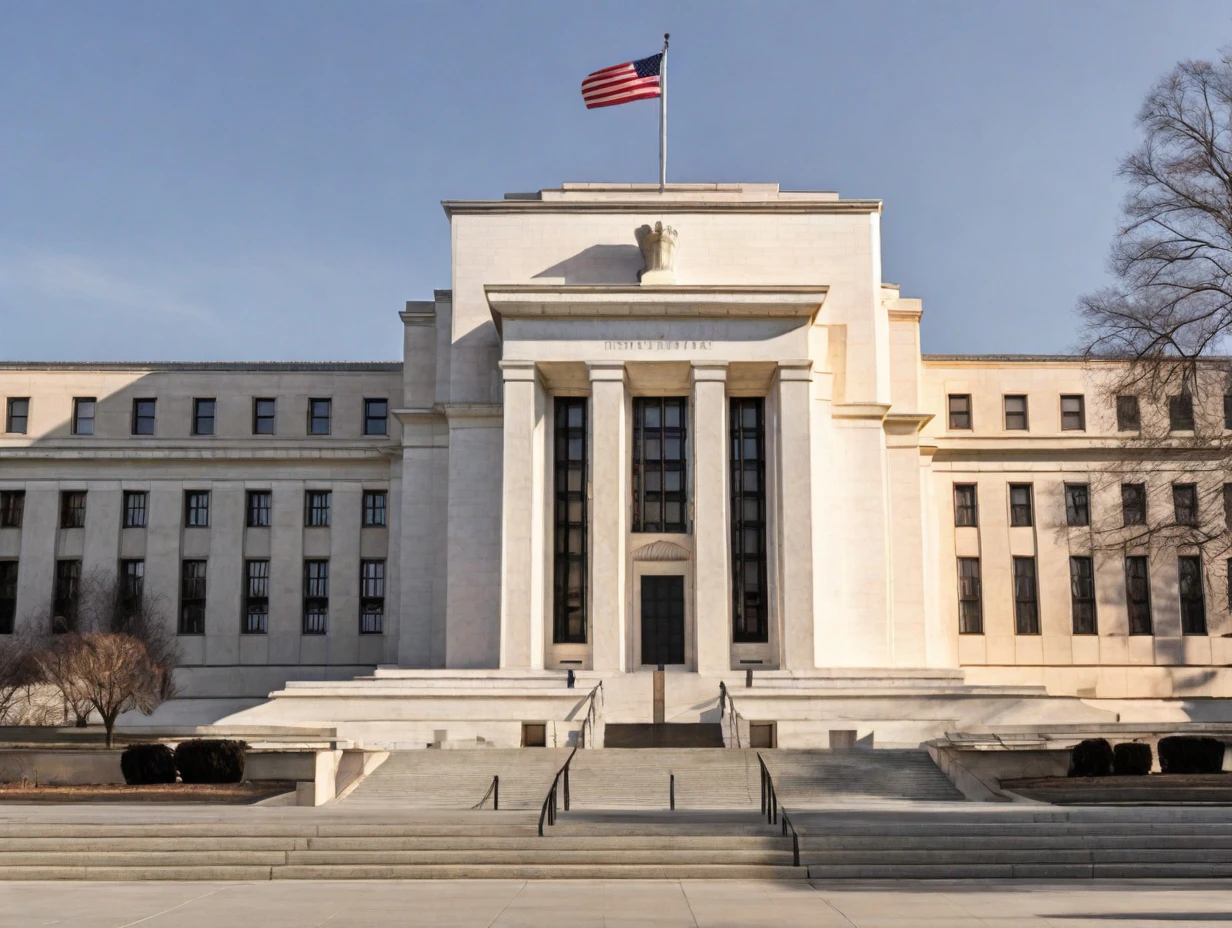
In response to these inflationary pressures, the Federal Reserve has adopted a more hawkish stance, indicating potential interest rate hikes in the near future. Economists predict that such measures, if implemented, could help temper inflation but may also pose risks to economic growth if done excessively. As the Fed grapples with its dual mandate of fostering maximum employment while maintaining stable prices, the upcoming meetings and policy decisions will be closely watched.
Conclusion
As inflation continues to be a defining issue in the economy, staying informed about its trends and impacts is essential. Individuals might need to adjust their spending habits, while businesses should prepare for potential changes in consumer behavior. Looking ahead, the ongoing interplay between inflationary pressures and central bank policies will shape the economic landscape for the foreseeable future. By monitoring these developments, readers can better navigate the complexities introduced by inflation news and make informed decisions accordingly.