Introduction
The IRS refund process is a critical aspect of the American tax system, impacting millions of taxpayers each year. Understanding how it works and what to expect can help individuals manage their finances more effectively. As the 2023 tax season unfolds, many are eager to learn about their potential refunds, the processing timeline, and recent changes that may affect them.
How IRS Refunds Work
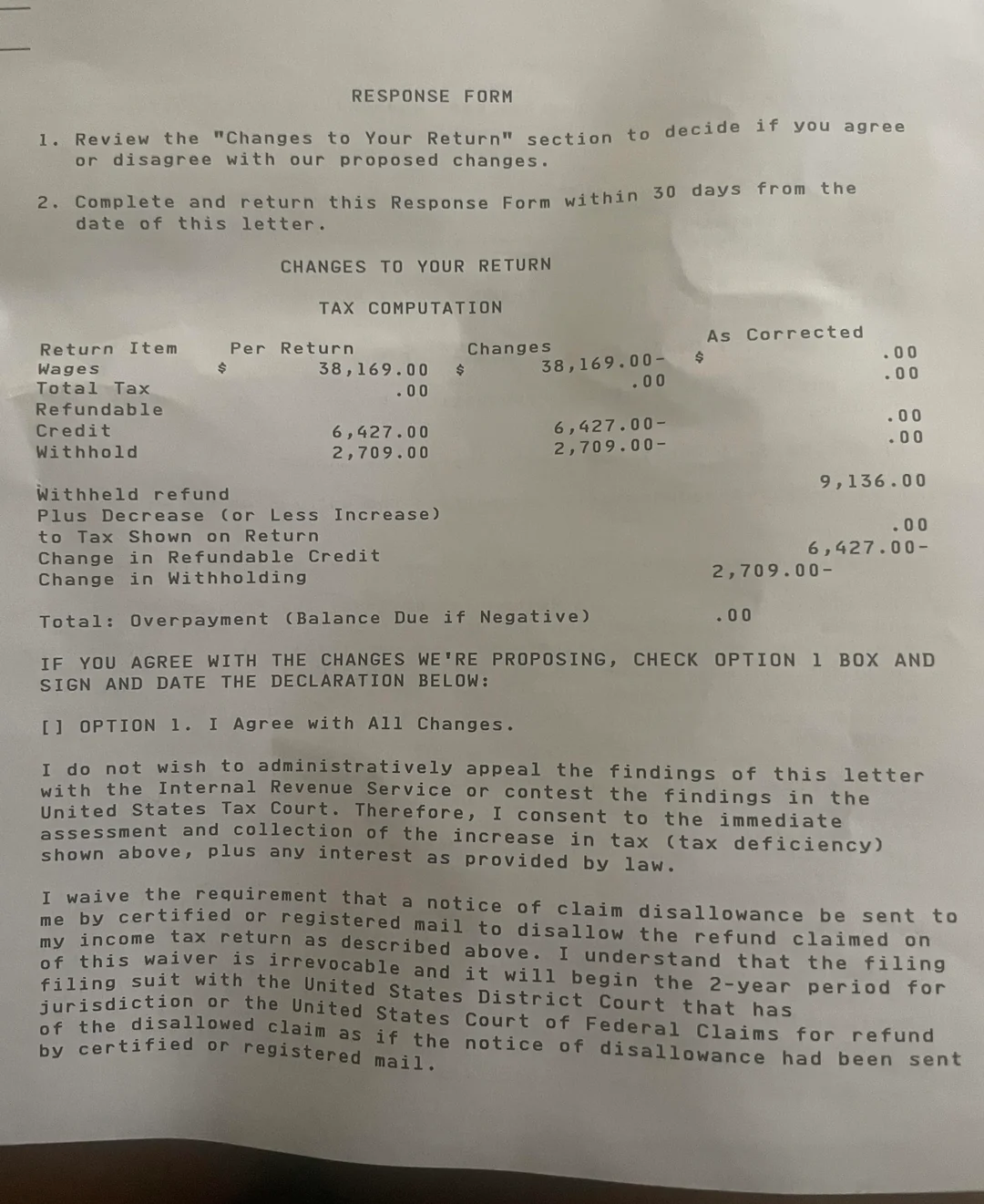
An IRS refund occurs when taxpayers pay more in taxes throughout the year than they owe based on their final tax return. This excess payment is returned to them by the IRS, often leading to one of the more anticipated financial events of the year for many households.
According to recent IRS data, approximately 70% of taxpayers receive a refund. For the 2022 tax year, the average refund amount has been estimated at around $3,000, a significant financial boost for families who may use it for essentials, savings, or paying off debts.
Current Trends in IRS Refunds
This tax season, the IRS has introduced several changes aimed at improving the refund experience. Notably, the IRS is encouraging taxpayers to file their returns electronically to expedite processing times. Typically, e-filers receive their refunds faster—often within 21 days—compared to those who filed paper returns, which can take six weeks or longer.
Additionally, taxpayers who have experienced economic hardship due to the pandemic may be eligible for various tax credits and deductions that can increase their refund amount. Programs aimed at low- to moderate-income earners have extended benefits, contributing to an overall increase in refunds for qualifying individuals this year.
What to Expect in 2023
As individuals prepare to file their tax returns, it is essential to stay informed about any pertinent updates. The IRS has highlighted potential delays this season, largely due to staffing shortages and ongoing backlogs from the previous years. Taxpayers would benefit from understanding that while filing early can help expedite their refund, expectations for rapid processing should be tempered by these factors.
Conclusion
In summary, IRS refunds play an essential role in many Americans’ financial lives, with the 2023 tax season presenting both opportunities and challenges. Taxpayers should remain proactive in filing their returns and stay updated on IRS notifications for the most efficient experience. As always, being informed will help maximize benefits and minimize potential delays.