Introduction
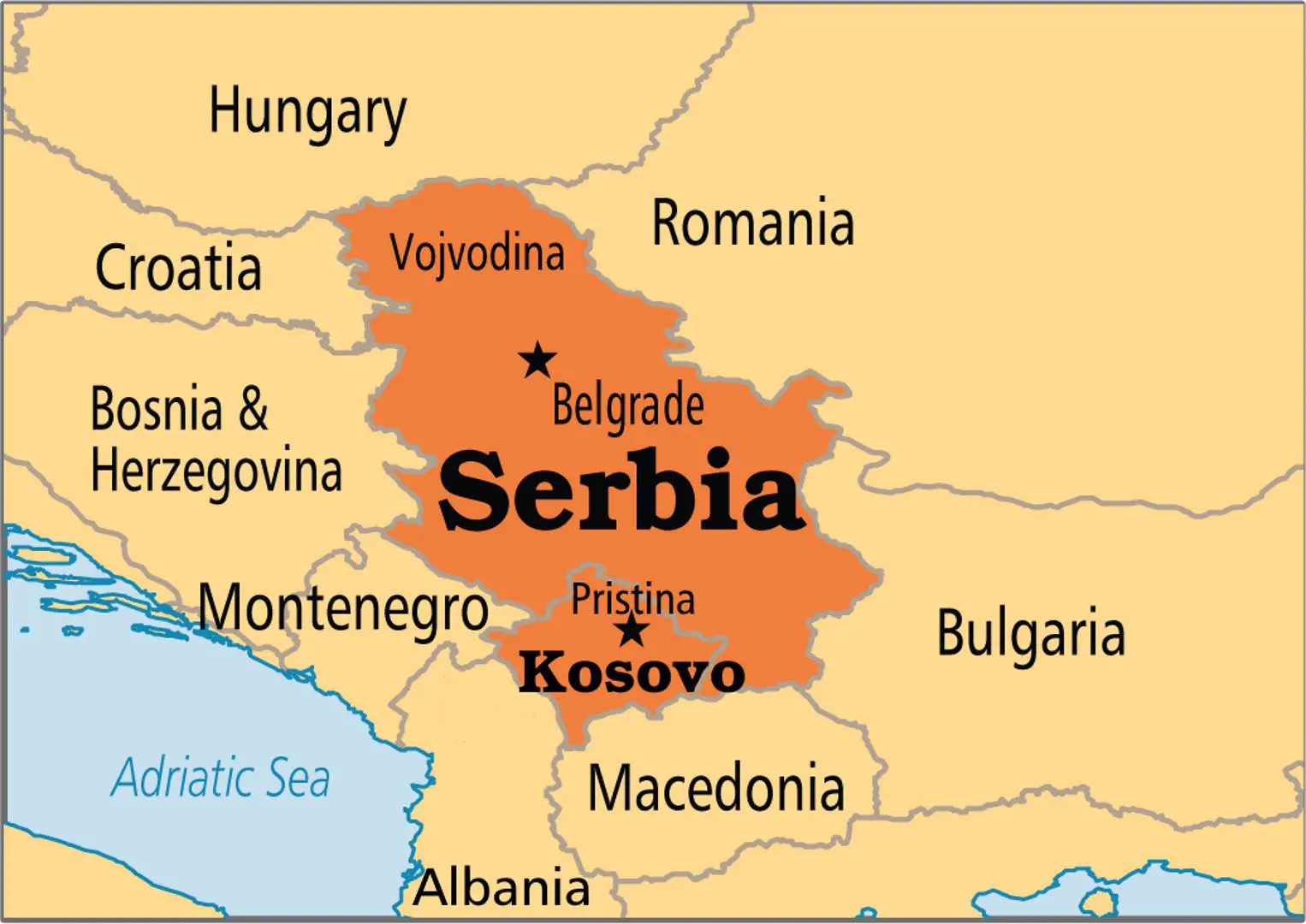
Kosovo, a territory in the Balkans that declared independence from Serbia in 2008, remains a pivotal subject in international relations due to its contentious political status. As the dynamics within the region evolve, understanding Kosovo’s current situation is essential for grasping the broader implications for peace and stability in the Balkans.
Recent Developments
In recent months, Kosovo witnessed increased tensions between the government and the Serb communities in northern Kosovo. This escalation can be traced back to the local elections held in April 2023, where ethnic Albanians won elections in four municipalities predominantly populated by ethnic Serbs, triggering protests and unrest. The conflict intensified in May when Kosovo police clashed with Serb protesters, leading to injuries on both sides and increasing international scrutiny.
In response, both the United States and the European Union have urged dialogue between Pristina and Belgrade to ease tensions. The EU is particularly invested in facilitating negotiations, emphasizing the necessity of implementing the agreements reached in previous dialogues. Recent diplomatic efforts include a meeting hosted by EU foreign policy chief Josep Borrell in mid-October, which sought to address unresolved issues, including the formation of an association of Serbian-majority municipalities within Kosovo.
Current Challenges
One of the primary challenges Kosovo faces is its lack of recognition as an independent state by several countries, including Serbia and Russia. Kosovo’s sovereignty is recognized by over 100 UN member states, but ongoing disputes hinder its potential for greater diplomatic engagement. Furthermore, economic development remains a crucial issue, with high unemployment rates and a need for significant investments to bolster infrastructure and public services.
Conclusion
The situation in Kosovo is indicative of the complexities involved in post-conflict societies navigating nationalism, governance, and international recognition. As the region grapples with internal strife and external pressures, the prospect for lasting peace remains uncertain. The international community’s role will continue to be pivotal in shaping Kosovo’s future. Successful negotiations could bring about greater stability, while failure to resolve disputes may further entrench division. For residents of Kosovo and the Balkan region at large, these developments will determine not only their political landscape but also their everyday lives for years to come.