Introduction
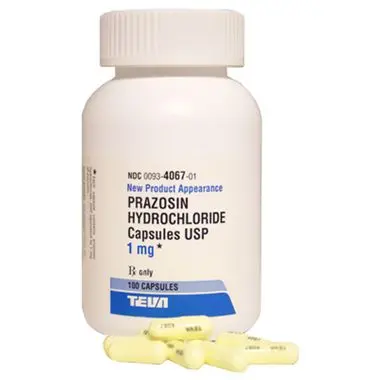
Prazosin hydrochloride is a medication primarily known for its use in treating hypertension and symptoms of post-traumatic stress disorder (PTSD). As health professionals and patients alike seek effective therapies for these conditions, understanding the role of prazosin hydrochloride is crucial. This article explores its uses, mechanisms, and significance in modern medicine.
What is Prazosin Hydrochloride?
Prazosin hydrochloride is a selective alpha-1 adrenergic receptor antagonist. Developed in the 1970s, it functions by preventing norepinephrine from activating alpha-1 receptors, leading to vasodilation and a decrease in blood pressure. Originally launched to treat hypertension, it has gained attention for its off-label applications, particularly in the management of PTSD-related nightmares.
Medical Uses
The primary application of prazosin hydrochloride is for the treatment of hypertension. By relaxing blood vessels, it allows blood to flow more easily, effectively lowering blood pressure. However, its benefits extend beyond hypertension management. Numerous studies have indicated that prazosin is effective in reducing nightmares and improving overall sleep quality in PTSD patients. In controlled trials, patients experienced a reduction in nightmare frequency and intensity, which has made it a frequently prescribed medication for this condition.
Recent Developments
Recent research has shed light on the mechanism by which prazosin alleviates symptoms of PTSD. A 2022 study published in the journal JAMA Psychiatry highlighted that prazosin not only decreases nightmare occurrences but may also improve overall PTSD symptoms, such as anxiety and depression. Health professionals are expanding their focus on prazosin’s systemic benefits, fostering a deeper investigation into its neurophysiological impacts.
Potential Side Effects
Though generally well-tolerated, prazosin hydrochloride is associated with some side effects, including dizziness, drowsiness, lack of energy, palpitations, and headaches. Patients are often advised to rise slowly from sitting or lying positions to mitigate the risk of orthostatic hypotension, a common concern with alpha-blockers. As with any medication, it is critical for patients to discuss potential benefits and risks thoroughly with their healthcare providers.
Conclusion
Prazosin hydrochloride stands as a noteworthy therapeutic option in the treatment of hypertension and PTSD, reflecting a broader acceptance of off-label drug use in clinical settings. Its dual function underscores the importance of ongoing research to further elucidate its potential benefits for diverse patient populations. As more studies emerge, healthcare providers are encouraged to stay informed on prazosin’s evolving applications, ensuring patients receive comprehensive care tailored to their unique health challenges.