Introduction
Snow in Russia is more than just a weather phenomenon; it is a significant element of the country’s geography, culture, and economy. With vast landmass and diverse climates, Russia experiences heavy snowfall during winter months that affects transportation, tourism, and even agriculture. Understanding the patterns and effects of snow in Russia is relevant for those interested in climate studies, travel, and environmental conservation.
Current Snowfall Events
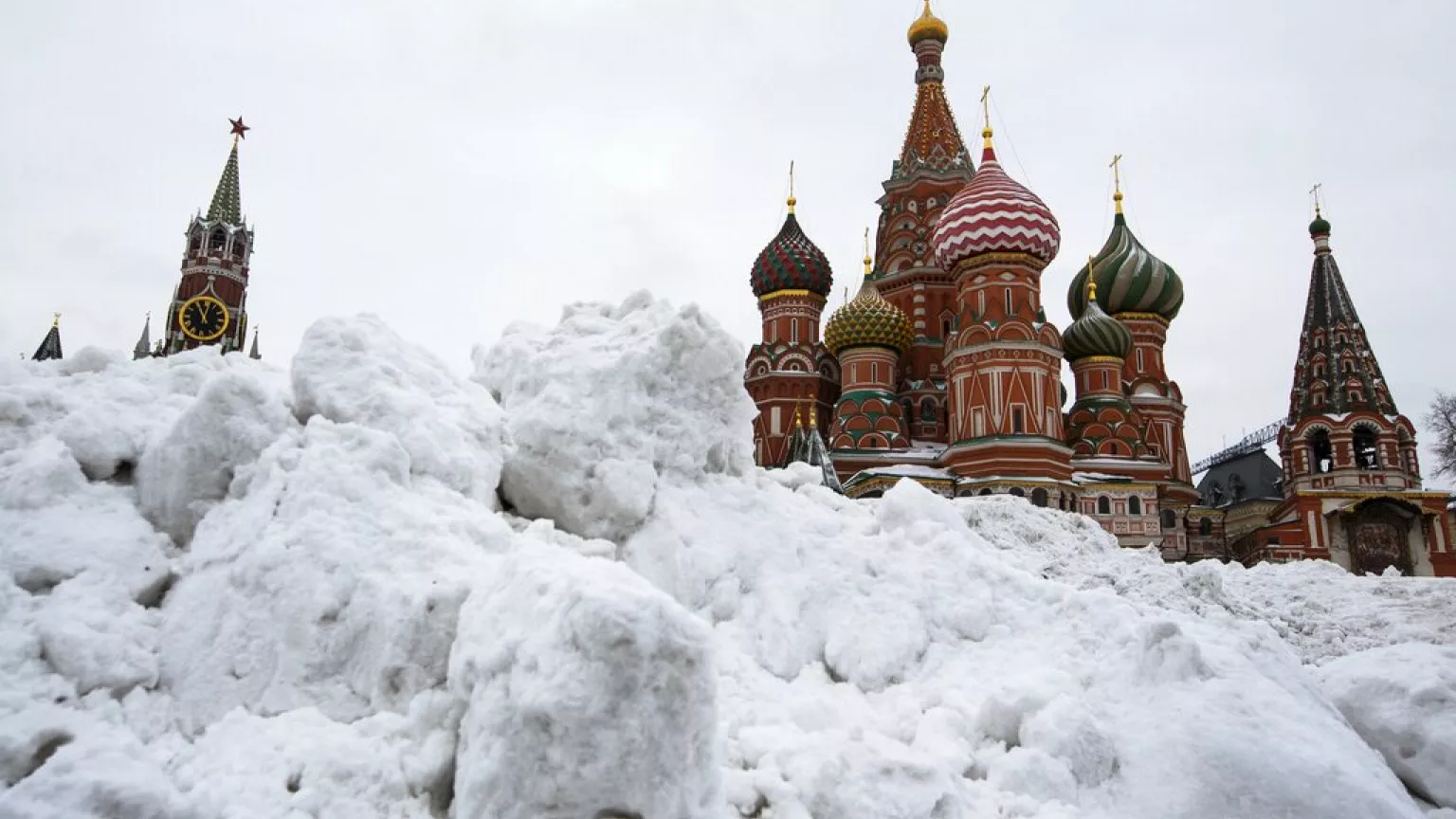
As of December 2023, several regions in Russia have recorded significant snowfall, with the Siberian city of Novosibirsk receiving up to 20 centimeters in one single snowstorm. Meteorologists predict that heavy snowfall will continue in the Urals and Siberia, with temperatures in these regions dropping to -30 degrees Celsius. Major cities like Moscow and St. Petersburg have expressed readiness to manage expected snowfall, ensuring that transportation services remain operational despite potential disruptions.
Regional Impact
Snowfall plays an important role in the ecological balance of various regions across Russia. In Siberia, the snowpack acts as insulation for the permafrost, affecting ground temperatures and local flora. The heavy snow also fosters winter tourism, drawing thousands to destinations like Sochi and Kamchatka, where winter sports are thriving.
However, the recent heavy snowfall does not come without challenges. In urban areas, snow accumulation can lead to dangerous conditions on the roads, impairing traffic flow and increasing accident risks. Local authorities have issued warnings for citizens to exercise caution while commuting and to clear driveways and sidewalks promptly.
Conclusion
The presence of snow in Russia is both a beautiful winter landscape and a critical aspect cultural and economic activities. As climate experts study patterns of snowfall in relation to global warming, it becomes apparent that understanding snow’s impact in Russia is significant. Looking ahead, predictions illustrate that while some areas may face changes in snowfall patterns and amounts, winter will always be a defining characteristic of the Russian experience. As travel patterns and local governance adapt, the ability to manage and appreciate snow will invariably continue to shape life in Russia.