Introduction
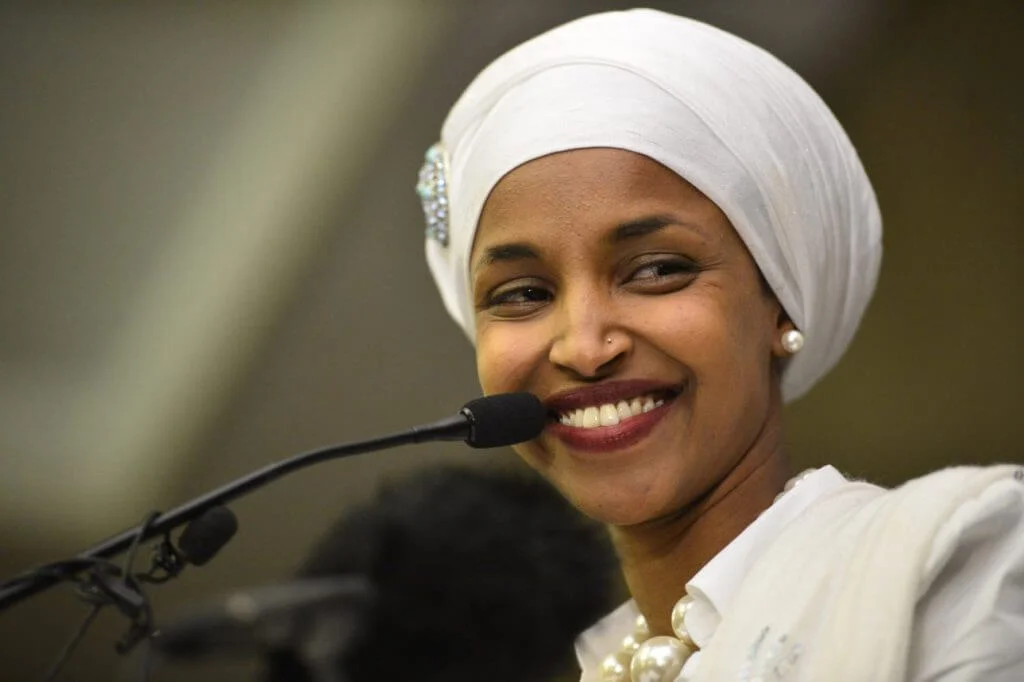
Ilhan Omar, the U.S. Representative for Minnesota’s 5th congressional district, has established herself as a prominent figure in American politics. As one of the first two Muslim women elected to Congress, her rise symbolizes a progressive shift in the nation’s political landscape. With a background rooted in activism, Omar’s policies and public statements have sparked significant discussions surrounding immigration, social justice, and foreign policy.
Recent Developments
In recent months, as part of the 118th Congress, Omar has continued to advocate for progressive policies, including universal healthcare and climate action. Her push for initiatives like the Green New Deal reflects her commitment to addressing urgent issues. In October 2023, she gained attention for her vocal opposition to proposed cuts to social programs that substantially benefit low-income families, a move that showcases her dedication to equity and justice for marginalized communities.
Omar has also been a key voice in foreign policy discussions, particularly regarding U.S. relations in the Middle East. In a recent Committee hearing, she addressed the humanitarian crisis in Gaza, calling for a balanced approach that prioritizes human rights over political alliances. Her efforts underscore the complexities of foreign relations and the need for compassionate policies that consider the welfare of civilian populations.
Challenges and Criticisms
Despite her influence, Omar’s tenure has not been without challenges. Throughout her time in office, she has faced significant opposition and criticism, particularly from some conservative factions that have attacked her statements and policy positions. Accusations of anti-Semitism have arisen from her critiques of Israeli government policies, leading to heightened discourse around her public image and legislative effectiveness.
Recently, she has been embroiled in another controversy surrounding her role in the recent discussions on immigration reform, where some opposed her proposals as too lenient. However, Omar reiterates that her commitment lies with her constituents and the principles of justice and equity.
Conclusion
Ilhan Omar continues to be a significant figure in U.S. politics, advocating for policies that align with her values and addressing pressing issues. As she navigates the complexities of her role, it remains crucial for citizens to remain engaged with her work and the broader implications it has for American society. Her efforts may catalyze more diverse representation in government and inspire future leaders to address the underlying issues of systemic inequality. As political landscapes shift and evolve, the influence of leaders like Ilhan Omar underscores the importance of diverse voices in driving change.