Introduction
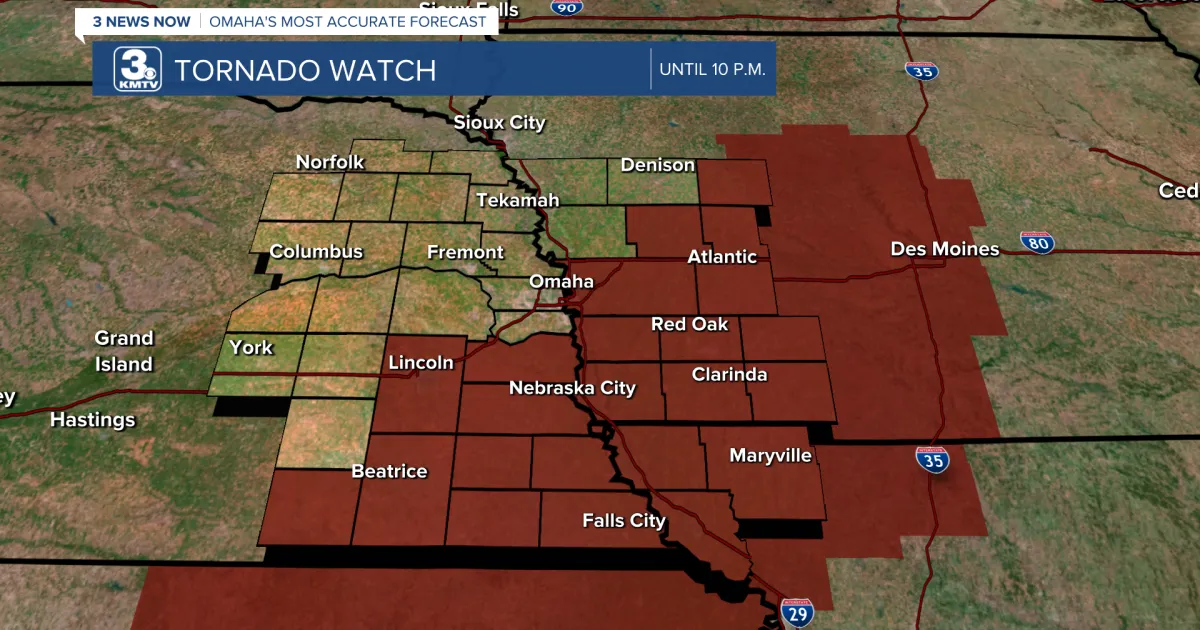
Inclement weather, which encompasses various extreme weather conditions such as heavy rain, snow, high winds, and severe storms, poses significant challenges to everyday life. Understanding its impacts is crucial given the increasing frequency of extreme weather events due to climate change. This topic is more relevant than ever as recent events have highlighted its consequences on travel, agriculture, and public safety.
Recent Events and Their Impacts
In the United States, several regions have recently faced severe inclement weather. Just this month, the Midwestern states endured a powerful storm system that brought heavy snowfall and ice, leading to travel disruptions and power outages. According to the National Weather Service, over 300 flights were canceled, and thousands experienced outages, with some regions reporting downed trees and structural damages.
Moreover, the agricultural sector is also significantly affected by inclement weather. With planting seasons being disrupted by unexpected frosts and drought conditions in various parts of the country, farmers are struggling to maintain their yields. The USDA has noted that inconsistent weather patterns can lead to reduced crop production, thereby affecting food prices and availability.
Community Preparedness and Response
Communities must be prepared for the potential impact of inclement weather. Emergency management agencies have been actively promoting preparedness measures, including creating emergency kits, establishing communication plans, and conducting training for volunteers. During severe weather alerts, residents are encouraged to stay informed through reliable channels, such as the National Weather Service updates and local news.
Conclusion
The significance of understanding inclement weather cannot be overstated. As climate patterns continue to evolve, the frequency and severity of such weather events are likely to increase. By fostering awareness and preparedness, individuals and communities can mitigate the risks associated with inclement weather. Future forecasts indicate that improving response strategies, enhancing infrastructure resilience, and promoting public education will be key to adapting to the challenges posed by extreme weather conditions.