Introduction
As winter approaches, the potential for severe weather increases, making winter weather advisories critical for ensuring public safety. These advisories inform residents about impending storms, advising them of the necessary precautions to take. With recent meteorological developments indicating significant winter weather events across various states, understanding what these advisories entail is essential for anyone planning to travel or engage in outdoor activities during the colder months.
Current Weather Conditions and Advisories
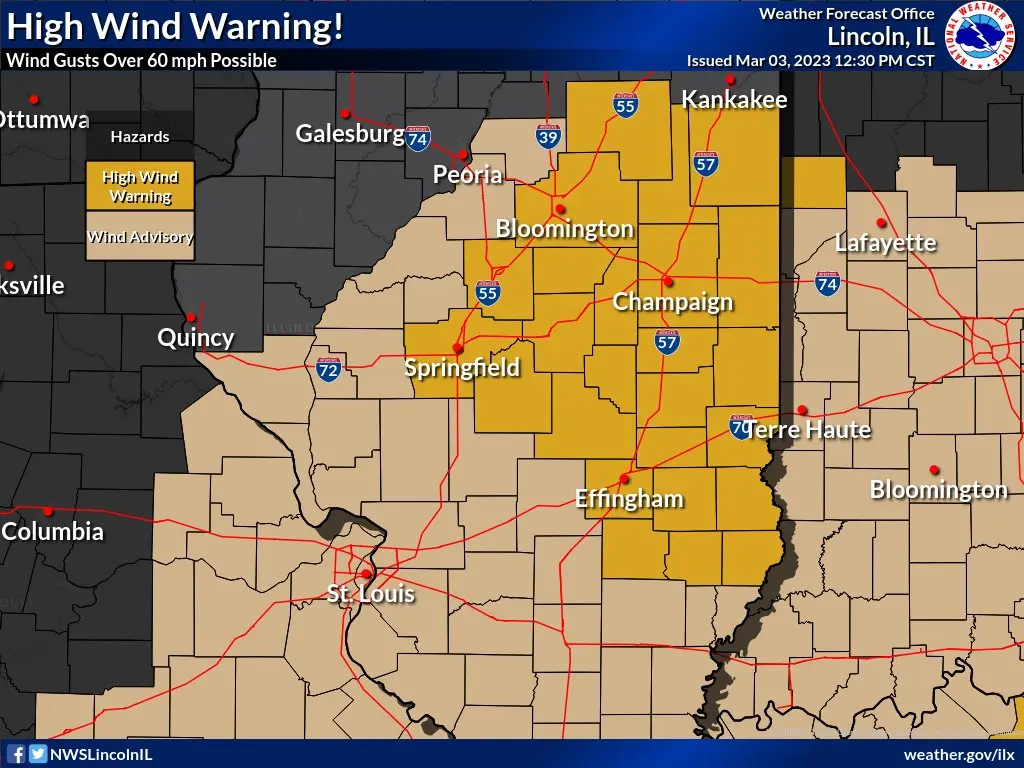
According to the National Weather Service (NWS), numerous states, including Illinois, New York, and Colorado, are currently under winter weather advisories due to predictions of heavy snowfall and icy conditions. In some areas, snowfall accumulations could exceed 6 inches, coupled with wind gusts that may lead to blizzard-like conditions. The NWS emphasizes that these conditions can create hazardous travel situations, with reduced visibility and slippery roadways. Local agencies are working to monitor conditions and provide updates as the situation evolves.
What to Expect from a Winter Weather Advisory
A winter weather advisory generally indicates that winter weather conditions are expected to cause significant inconveniences and potential hazards. These advisories may include various weather phenomena, such as:
- Snow: Light to moderate snowfall that may impact travel.
- Ice: Freezing rain or sleet that can create slick roads and walkways.
- Wind Chill: Extremely cold temperatures combined with wind can create dangerous conditions.
The NWS encourages residents to stay updated by checking local news reports and weather websites. Additionally, an increase in calls to emergency services related to accidents or injuries during winter storms often follows these advisories, thereby stressing the importance of heeding these warnings.
Conclusion
Winter weather advisories play a crucial role in maintaining public safety amid severe weather. By understanding the implications of these advisories and preparing accordingly, individuals can mitigate risks associated with winter storms. As we move further into the winter season, residents are advised to regularly check for updates from local meteorologists and the NWS. By taking the necessary precautions and staying informed, we can better navigate the challenges of winter weather, ensuring safety for ourselves and our loved ones.