Introduction to Coastal Flood Watch
As climate change intensifies, coastal flooding is becoming a pressing concern for many coastal communities across the United States. Coastal flood watch alerts are crucial in providing timely warnings to residents, enabling them to prepare for potential disaster. These alerts are vital for saving lives and minimizing property damage during severe weather events, particularly hurricanes and heavy rainfall.
Current Events and Alerts
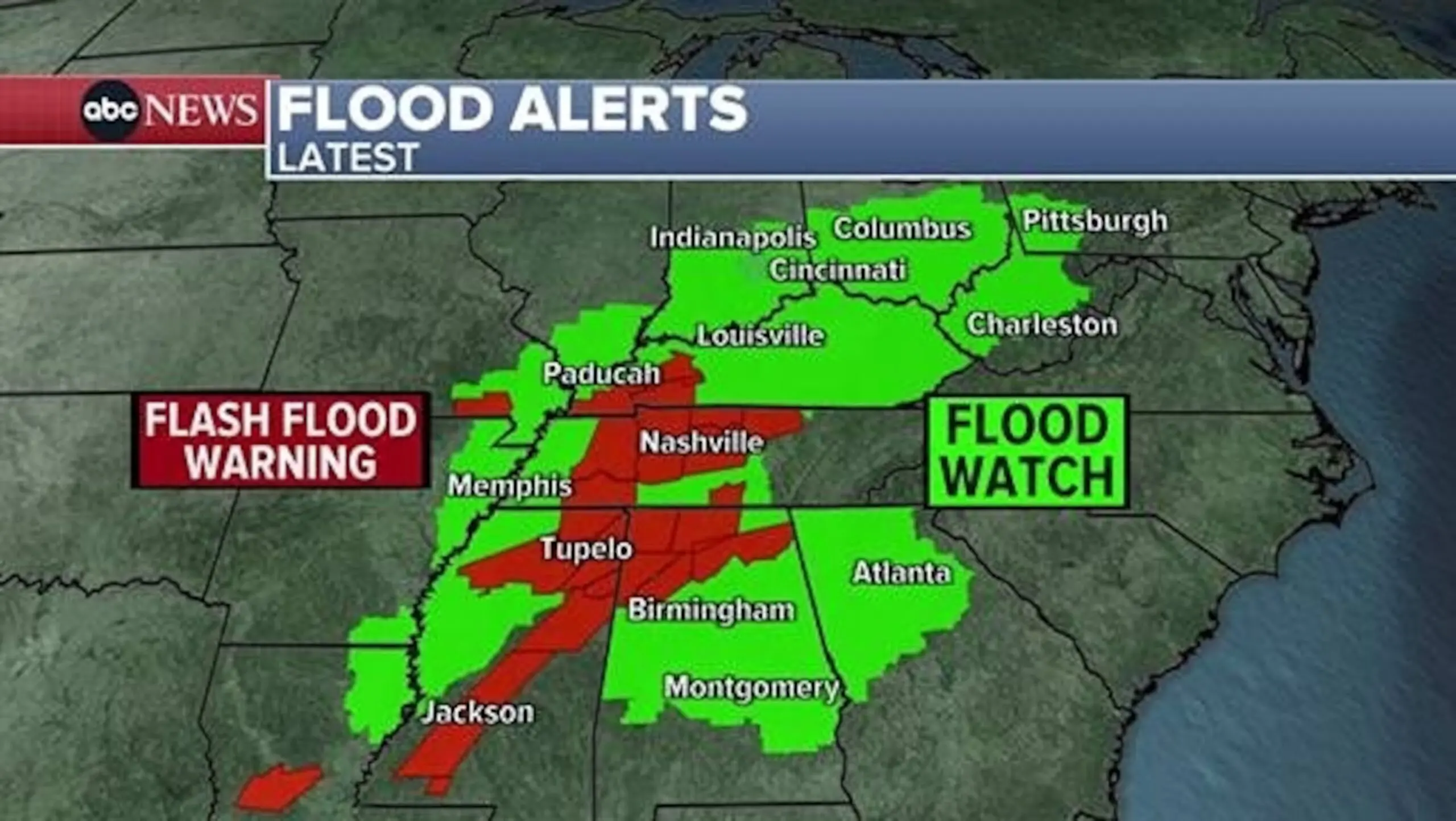
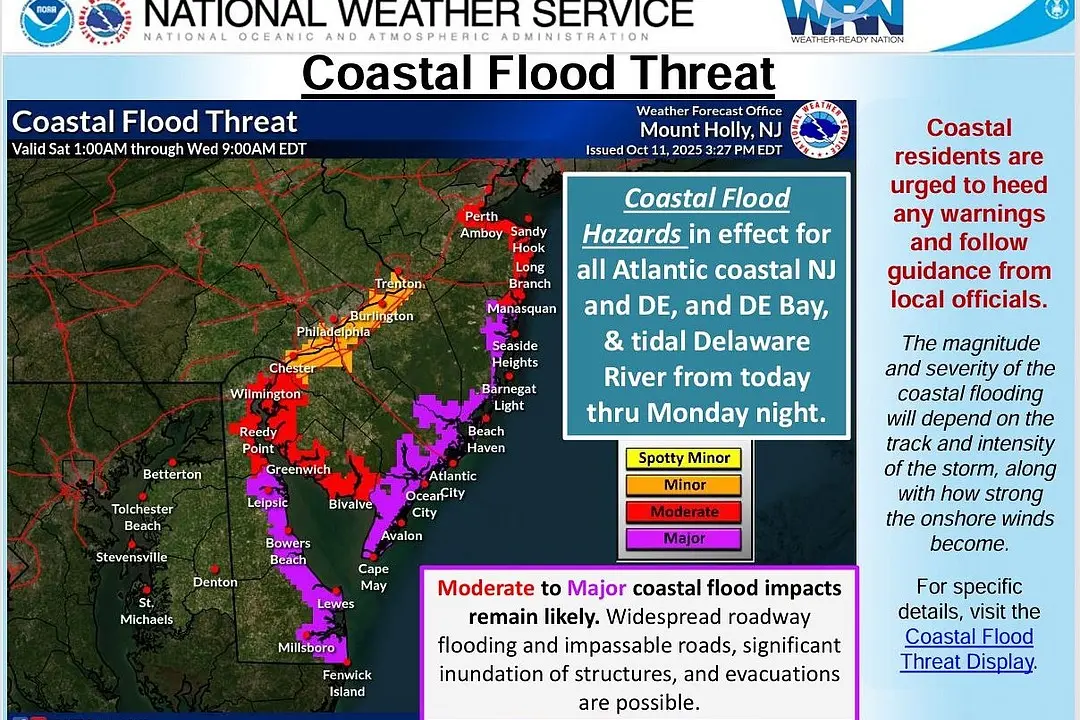
Recently, the National Weather Service (NWS) issued coastal flood watches for various areas along the East Coast and Gulf Coast due to anticipated high tides and storm surges. The flood watch warnings were prompted by a combination of heavy rain and expected strong winds associated with a developing weather system off the coast. Locations affected include parts of New Jersey, New York, and Louisiana, where residents have been advised to monitor updates and remain alert for rising water levels.
Data collected from the NWS indicates that higher than average sea levels are projected to increase the frequency and severity of coastal flooding. With more extreme weather patterns being documented, cities like New Orleans and Miami are particularly vulnerable, raising concerns among emergency management officials about preparedness and infrastructure resilience.
Impacts on Communities
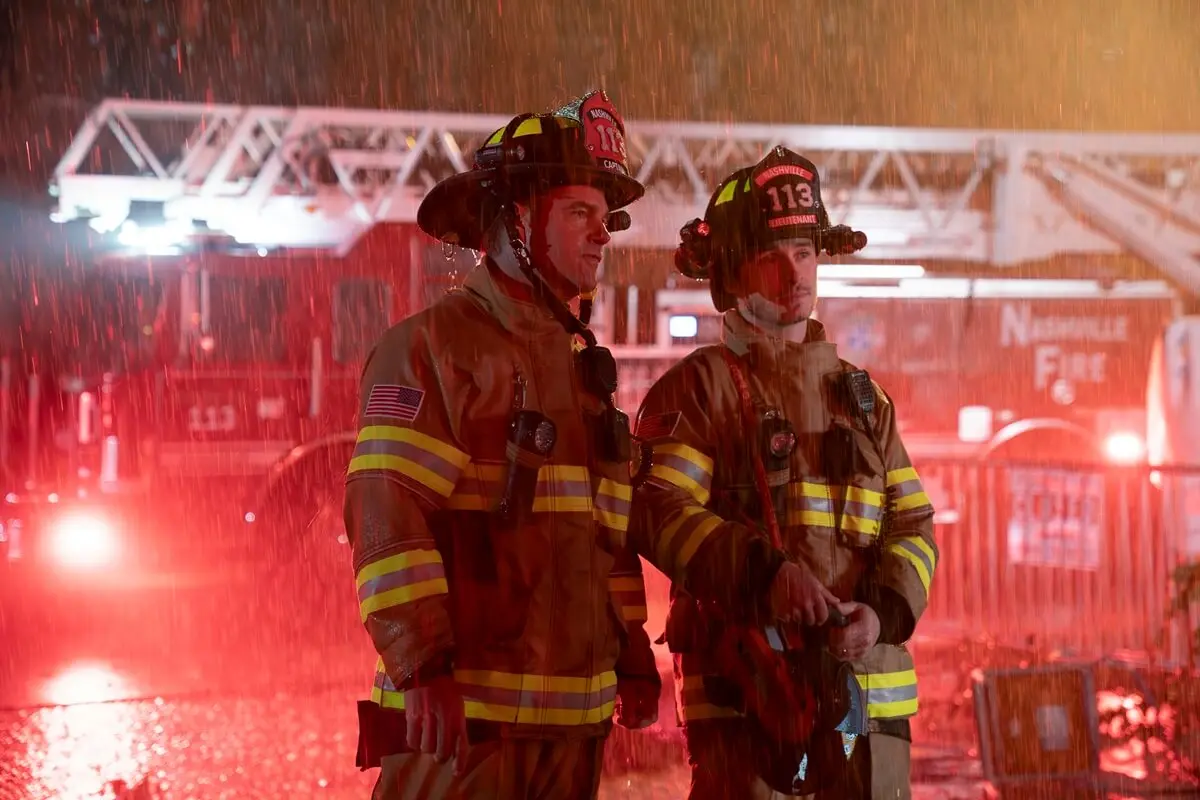
Coastal flood watches can significantly impact daily life in affected regions. Businesses may temporarily close, and schools may delay opening hours or transition to online learning. Emergency services often ramp up their readiness as they prepare for potential evacuations or rescues. Moreover, local governments must allocate resources to address flooding and ensure public safety, which can strain municipal budgets.
Conclusion and Future Outlook
As climate trends continue to evolve, the frequency of coastal flood watches is likely to increase. It is essential for residents in vulnerable areas to stay informed about these alerts, understanding the potential for flooding and the steps they can take to protect themselves and their property. Communities can enhance their resilience by investing in infrastructure improvements and creating comprehensive emergency response plans. Ultimately, staying informed and prepared is the best method for mitigating the impacts of coastal flooding.