Introduction
Flash flood warnings are critical alerts issued by weather authorities to inform the public about the imminent danger of rapid flooding. These warnings are especially important as they can mean the difference between life and death during severe weather events. With climate change contributing to more frequent and intense rainstorms, understanding flash flood warnings is increasingly relevant for communities across the United States.
Recent Events
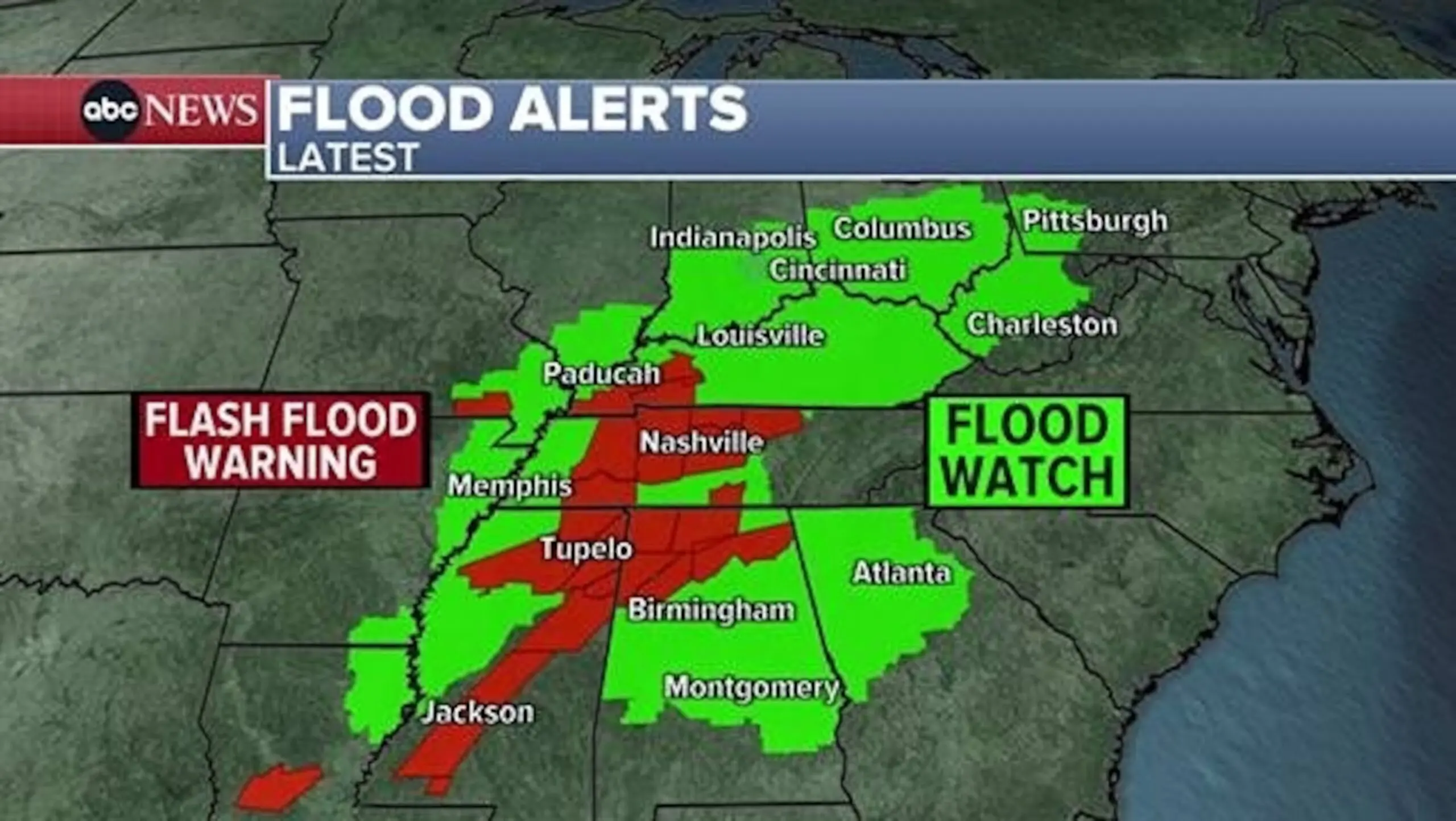
In the past month alone, parts of the Midwest and the Southeastern United States have experienced severe storms resulting in numerous flash flood warnings. For instance, during a recent storm system that swept through Kentucky and Tennessee, rainfall amounts exceeded 5 inches within a short period, prompting urgent alerts from the National Weather Service (NWS). Flash floods in these regions led to evacuations and significant property damage.
On September 15th, the NWS issued flash flood warnings for multiple counties in California due to an unusual monsoon moisture pattern. The warnings emphasized the need for residents to seek higher ground and avoid driving through flooded areas. With more storms expected, the importance of staying informed and prepared was underscored.
How to Stay Safe During a Flash Flood Warning
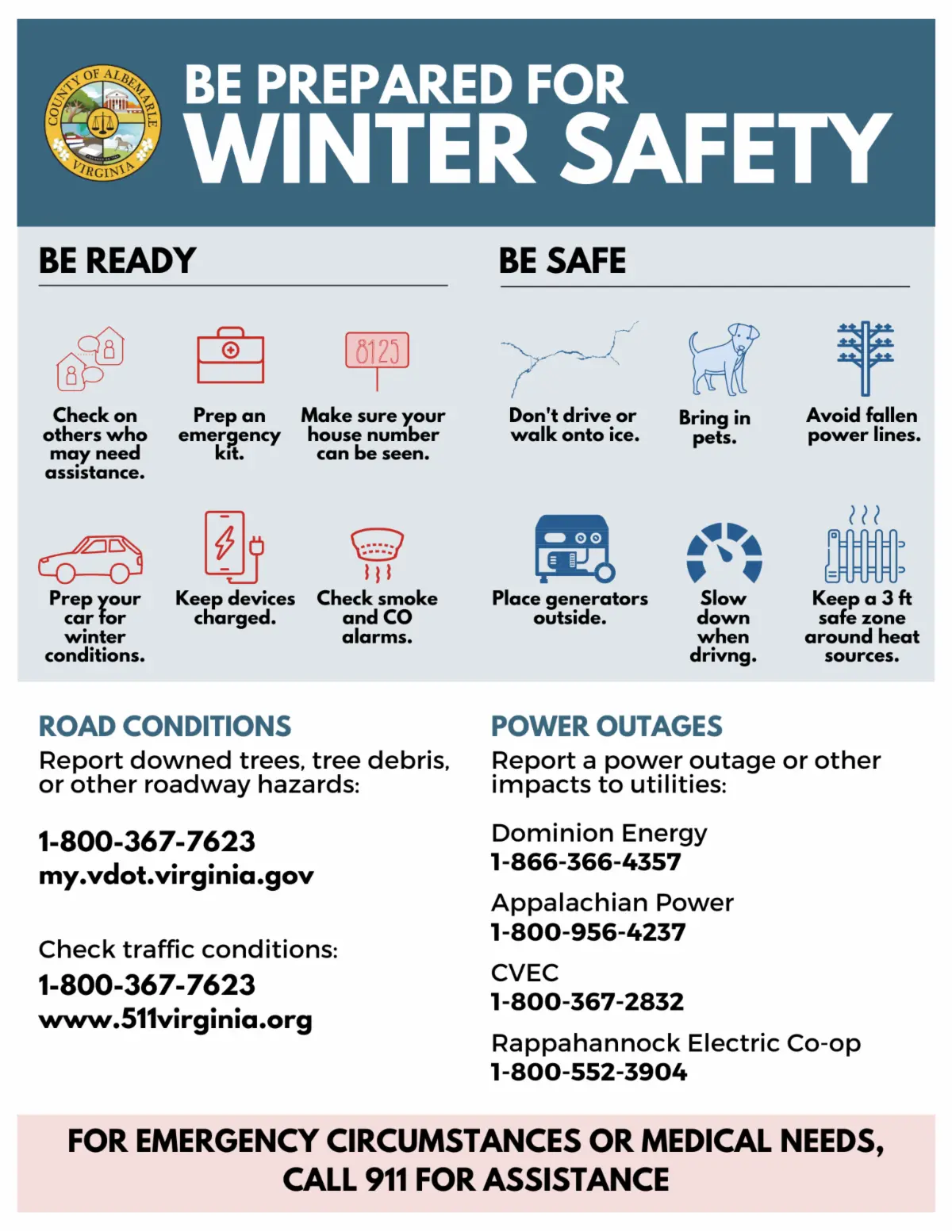
When a flash flood warning is issued, it is crucial to take immediate action. Here are some tips to stay safe:
- Monitor Weather Reports: Regularly check updates from the NWS and local news outlets.
- Follow Evacuation Orders: If authorities issue evacuation orders, leave the area immediately.
- Avoid Flooded Areas: Do not attempt to drive or walk through flooded roads, as even a few inches of water can sweep you away.
- Have an Emergency Kit Ready: Your kit should include essentials like water, food, medications, and a flashlight.
Conclusion
As flash floods become more frequent and severe, understanding the significance of flash flood warnings is paramount. These alerts serve a crucial role in public safety, reminding us of the unpredictability of weather patterns. By staying informed and prepared, individuals can better protect themselves and their families during such natural disasters. Local communities are urged to participate in preparedness initiatives and stay updated on weather conditions to mitigate the risks associated with flash floods.