Introduction
Incident response plans (IRPs) have become increasingly relevant in today’s digital landscape, where cyber threats and data breaches are on the rise. Organizations of all sizes are recognizing the importance of having a structured approach to handle security incidents effectively. An IRP provides a roadmap for responding to, managing, and mitigating the consequences of a security breach, making it an essential component of any organization’s cybersecurity strategy.
The Growing Need for Incident Response Plans
Recent statistics indicate a worrying trend in cyber incidents. According to a report by IBM, the average cost of a data breach in 2023 reached $4.35 million, highlighting the financial impact of these events. This includes costs such as detecting and containing the breach, notifying customers, and potential legal fees. Furthermore, a survey conducted by Cybersecurity Insiders found that 70% of organizations admitted to having insufficient incident response capabilities. This gap demonstrates the crucial need for comprehensive incident response plans.
Key Elements of an Effective Incident Response Plan
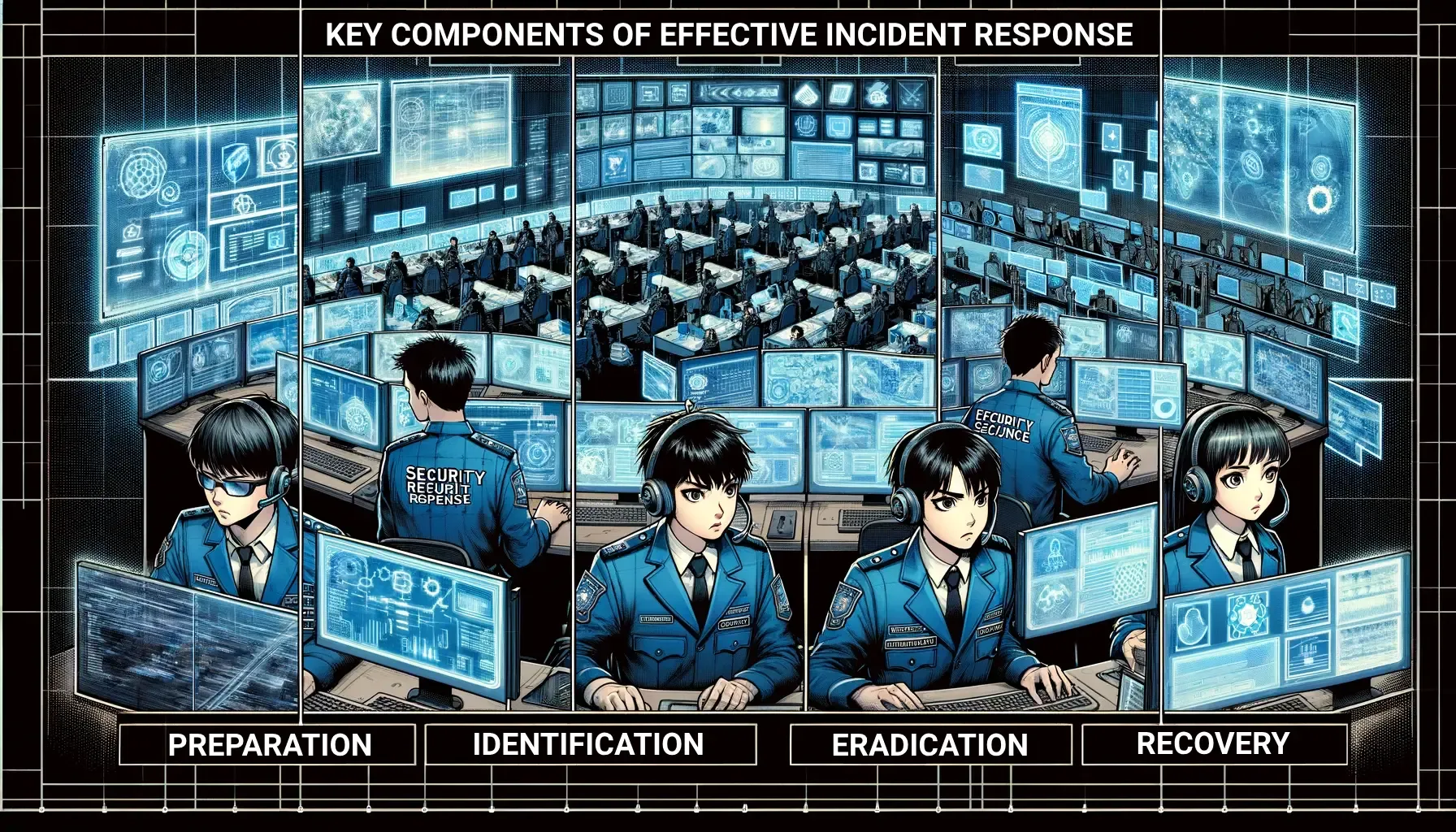
An effective incident response plan should include key elements that ensure comprehensive preparedness:
- Preparation: This includes conducting training sessions, defining roles and responsibilities, and ensuring that tools and resources are available for incident management.
- Identification: The ability to recognize potential security incidents quickly is vital. This requires implementing monitoring and alerting solutions to spot anomalies within the system.
- Containment: Strategies to limit the damage must be in place. This could involve isolating affected systems to prevent further spread.
- Eradication: Once contained, the root cause of the incident should be identified and removed from the environment to prevent future occurrences.
- Recovery: The plan must include steps to restore systems to normal operations while ensuring that vulnerabilities have been addressed.
- Lessons Learned: After an incident, a thorough analysis should be conducted to review the response and identify areas for improvement in the IRP.
Conclusion
The significance of incident response plans cannot be overstated in an era when cyber threats are prevalent. Establishing and continuously updating an IRP is crucial not only for safeguarding sensitive information but also for maintaining a company’s reputation and trust with its clients. As cyber threats continuously evolve, organizations that invest in robust incident response strategies will be better positioned to manage incidents effectively while minimizing damage. Ultimately, preparedness is key to resilience in today’s cybersecurity landscape.