Introduction
Phishing has become one of the most significant threats in the digital age. As more individuals and businesses rely on the internet for communication, shopping, and banking, cybercriminals have devised increasingly sophisticated methods to exploit vulnerabilities. Phishing schemes are designed to trick users into providing sensitive information, such as passwords or credit card numbers, often leading to identity theft and financial loss. Understanding how phishing works and how to protect yourself is essential in today’s interconnected world.
What is Phishing?
Phishing is a form of cybercrime that involves the use of deceptive emails, messages, or websites aimed at tricking individuals into revealing personal information. This practice can take various forms, including:
- Email Phishing: The sender poses as a trusted entity, often sending messages that appear to be from legitimate companies asking for sensitive information.
- SMS Phishing (Smishing): Similar to email phishing but conducted through text messages, where attackers send fraudulent texts with links or prompts.
- Voice Phishing (Vishing): This method involves fraudulent phone calls where the caller pretends to be from a reputable organization to extract personal information.
Recent Phishing Trends
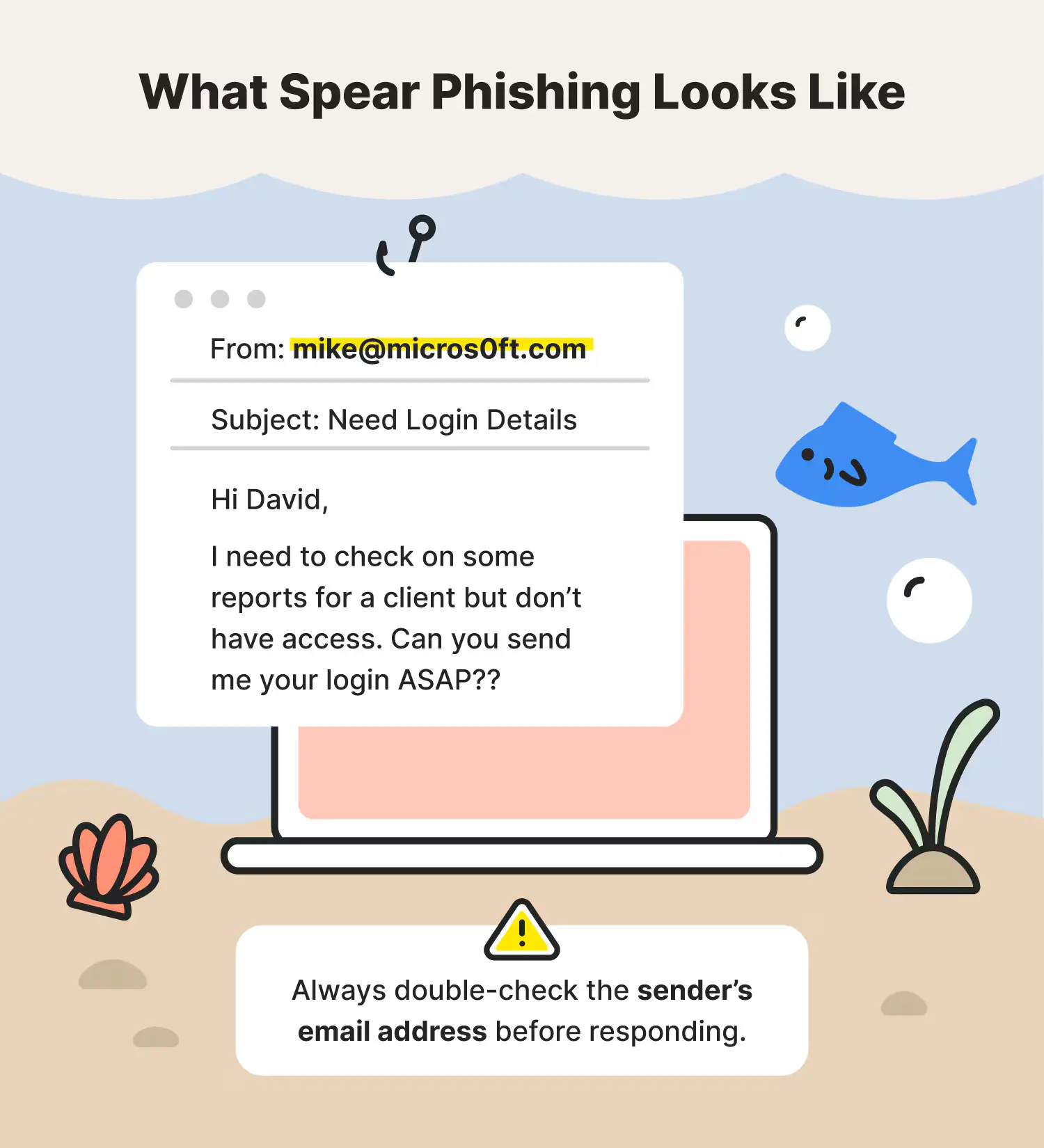
According to the Anti-Phishing Working Group (APWG), phishing attacks increased by 15% in the first quarter of 2023 compared to the previous year. Cybercriminals are utilizing advanced techniques such as spear phishing, which targets specific individuals or organizations to make their attacks more convincing. Additionally, the rise of remote work has provided attackers with new opportunities as employees access corporate networks from various locations.
How to Protect Yourself from Phishing
Being aware of the common signs of phishing can significantly reduce the risk of falling victim. Here are some steps to enhance your security:
- Be skeptical of unsolicited messages: Always verify the sender’s identity before clicking on any links or providing information.
- Check URLs: Before entering any sensitive information, ensure that the website URL is legitimate and starts with “https://”.
- Use two-factor authentication: Enabling two-factor authentication adds an extra layer of security and helps protect your accounts.
- Keep your software updated: Ensure that your operating system and applications have the latest security updates to protect against vulnerabilities.
Conclusion
Phishing remains a prevalent threat in the digital landscape, and as technology evolves, so do the tactics employed by cybercriminals. Staying informed about what phishing is, recognizing its signs, and knowing how to protect oneself is crucial in mitigating risks. Education and vigilance are our best defenses against this ongoing threat. As we look to the future, it is clear that continued awareness and technological solutions will play vital roles in combating phishing scams.