Introduction
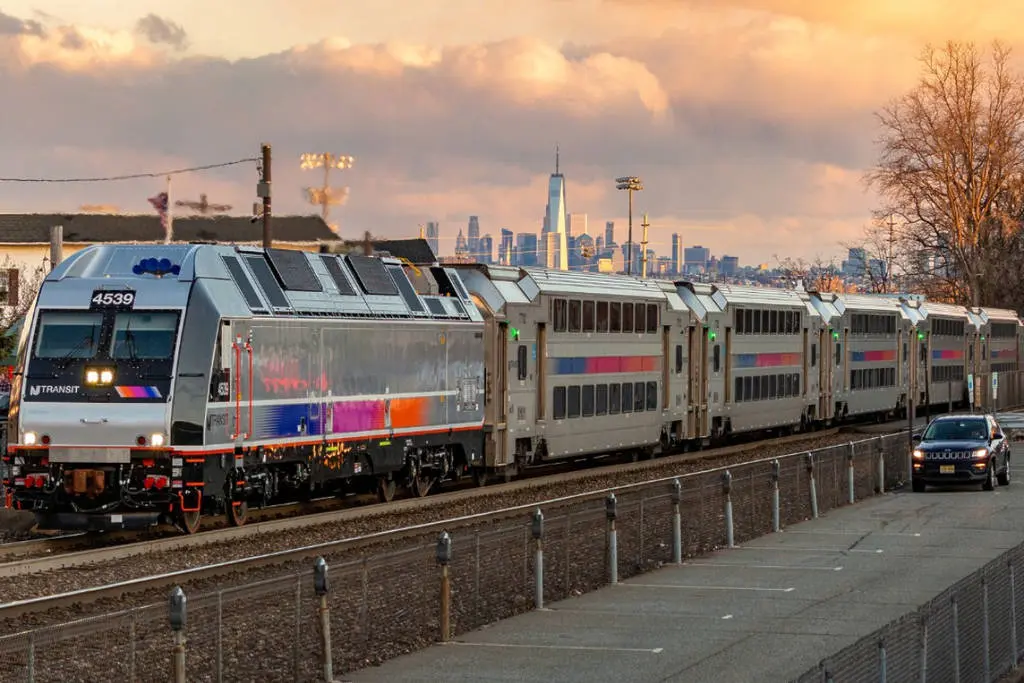
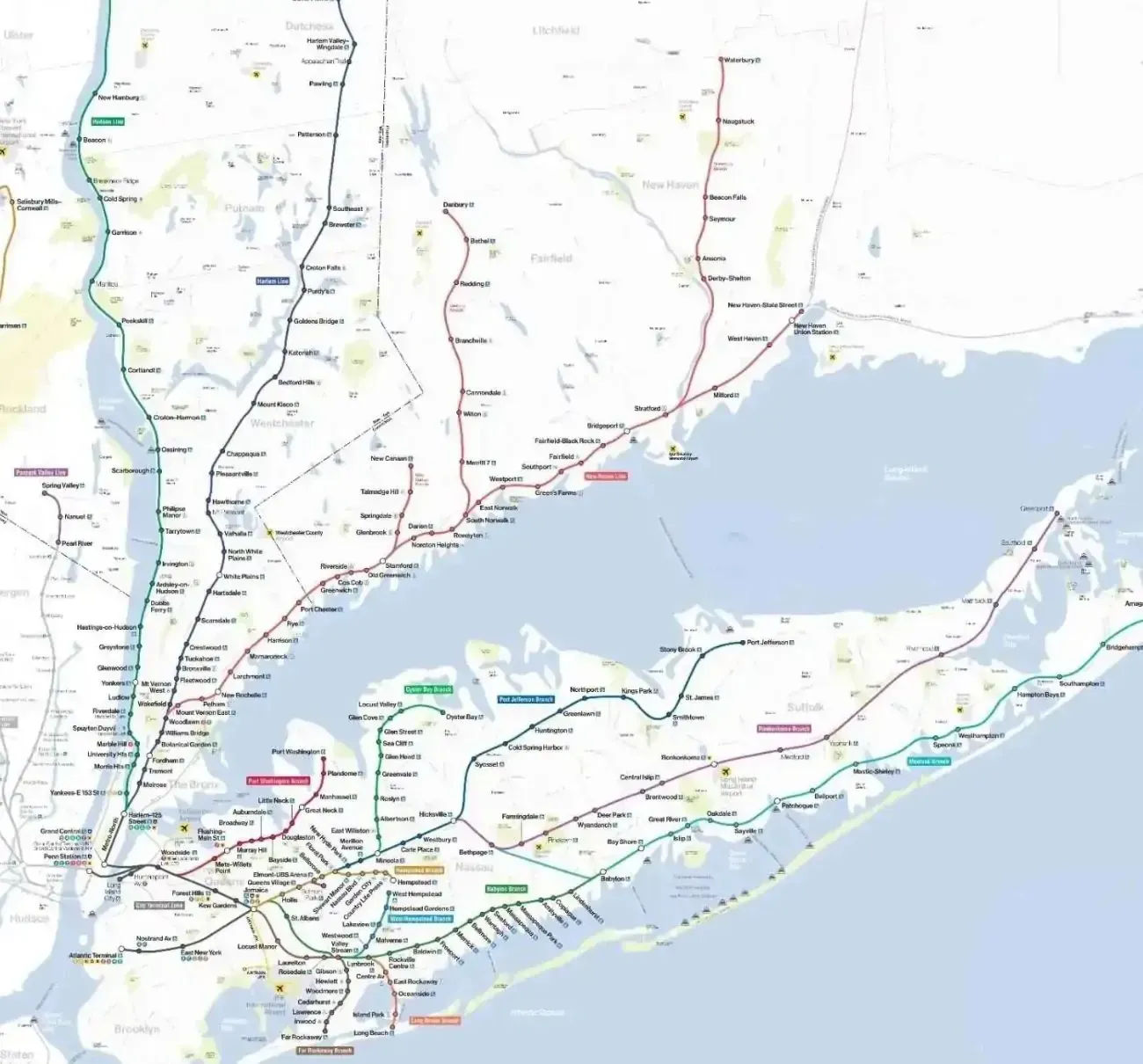
The Long Island Rail Road (LIRR) has long been a vital transportation hub for New York residents, serving over 300,000 passengers daily. Given its importance in connecting Long Island to New York City, understanding the LIRR schedule is crucial for both commuting efficiency and convenience. Recent updates and changes reflect a response to travel patterns that shifted post-pandemic, making it essential for riders to stay informed about current schedules.
Recent Changes to the LIRR Schedule
In late 2023, the LIRR introduced several adjustments to its schedule. Notably, weekday peak service has been restored to pre-pandemic levels, with additional trains added during rush hours to accommodate the growing number of commuters returning to offices. The revised timetable also includes more express services which have significantly reduced travel times between key stations such as Jamaica, Penn Station, and Atlantic Terminal.
Moreover, the LIRR is now utilizing a digital approach to enhance user experience. Commuters can access real-time updates via the MTA website or its dedicated mobile application. Notifications regarding delays, cancellations, and changes are readily available, ensuring that passengers are always informed and can plan accordingly.
Importance of the LIRR Schedule for Commuters
The LIRR schedule is not only a transportation guideline but a lifeline for many Long Island residents. Efficient train scheduling directly impacts work commutes, school runs, and overall quality of life. A well-timed schedule enhances punctuality, helping individuals avoid congested traffic and high transportation costs. Furthermore, reliable service can significantly reduce stress for everyday commuters.
The recent improvements to the LIRR schedule also focus on sustainability by encouraging public transport use and reducing the number of cars on the road. This aligns with broader environmental goals to decrease carbon emissions and traffic congestion in the metropolitan area.
Conclusion
As the LIRR continues to adapt to changing commuter needs, staying updated on the LIRR schedule is essential for anyone relying on this form of transportation. Regular improvements and digital resources underline the LIRR’s commitment to providing safe and efficient service. Looking ahead, commuters can expect further enhancements that embrace innovative technologies while improving service reliability, making the LIRR an even more attractive option for traveling to and from the city.