The Importance of New Kickoff Rules
In recent months, the introduction of new kickoff rules has sparked significant discussion in the football community. These changes aim to enhance player safety, reduce concussion risks, and modify how teams approach kickoff strategies. With NFL games frequently highlighting the potential dangers of high-impact plays, the implementation of these rules is both a timely and necessary shift in the sport.
Details of the New Kickoff Rules
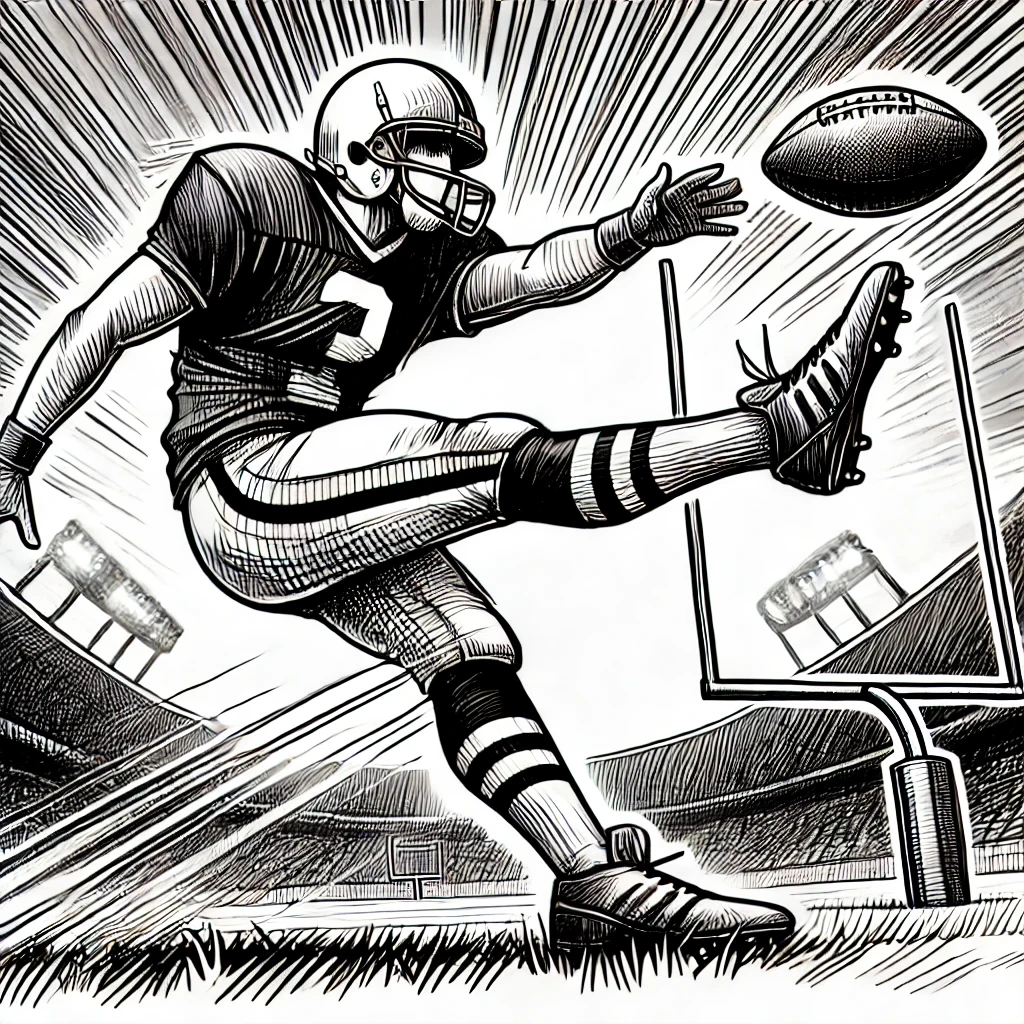
The adjustments made to kickoff rules include a variety of changes. One of the most talked-about modifications is the alteration of the kickoff formation. Teams are now required to have fewer players within the setup zone before the kickoff, aiming to limit the speed at which players collide. Furthermore, the rule mandating that the kicking team must keep at least eight players on one side of the kicker is designed to create more linear plays and thus, reduce the potential for injuries.
Additionally, players receiving the kick are incentivized to take touchbacks more often, as the NFL has introduced modifications that award additional yardage when kicking from the 25-yard line after fair catches. This change aims to protect players from the high-speed conflicts that can occur during traditional kickoff returns.
Responses from the League and Teams
Responses have been varied among players, coaches, and analysts who have been closely monitoring these changes. Advocates argue that the alterations will create a safer environment for players and reduce injury risks, specifically concussions that have plagued the sport for years. Critics, however, assert that these rules take away crucial strategic opportunities from teams and diminish the overall excitement of kickoff plays.
The Future of Kickoffs
As teams adapt to the new kickoff rules, it remains to be seen how it will impact overall game strategy. Some coaches may utilize creative formations to navigate the new setups while maintaining a competitive edge. Furthermore, as player safety becomes an increasingly essential focus, the NFL is likely to continue to review and refine rules to ensure both the entertainment value of the game and the wellbeing of its athletes.
Conclusion
The new kickoff rules signify a critical evolution in football, underscoring the sport’s balancing act between safety and competition. As these changes take effect, fans and players alike will be watching closely to see how they influence game dynamics and player health in the upcoming seasons. The long-term significance of these adjustments may pave the way for future rule changes, all aimed at prioritizing player safety while maintaining the thrill of the game.