Introduction
The prime rate is a crucial benchmark interest rate that impacts various areas of the economy, including consumer loans, mortgages, and credit cards. Understanding the prime rate is indispensable for consumers and investors, especially in today’s fluctuating economic environment fueled by inflationary pressures and changing Federal Reserve policies. With the prime rate directly affecting borrowing costs, staying informed can help individuals and businesses make better financial decisions.
Current Trends in the Prime Rate
As of October 2023, the prime rate stands at 8.25%, up from 8.00% earlier in the year. This increase reflects the Federal Reserve’s efforts to combat persistent inflation, which has remained above its 2% target. The Federal Reserve typically adjusts the federal funds rate as a countermeasure against inflationary pressures, and the prime rate usually rises and falls in tandem. The latest hike, announced in September 2023, marked the twelfth increase since the tightening cycle began in March 2022.
The Impact on Borrowing Costs
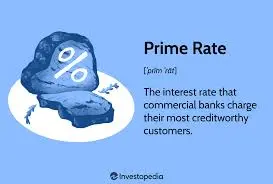
The prime rate is primarily used by banks as the interest rate for lending to their most creditworthy customers. Because of this, many loans, such as variable-rate mortgages, personal loans, and some business loans, are tied to the prime rate. As it increases, so do borrowing costs for consumers and businesses. This higher cost of credit might lead individuals to reconsider their spending habits and businesses to delay expansion plans or large investments. The ultimate goal of the Fed is to slow down demand without triggering a recession, creating a delicate balance.
Looking Ahead: Future Projections
Economists predict that the prime rate may experience further fluctuations in the coming months. If inflation continues to stabilize and show signs of reduction, the Federal Reserve could consider pausing future rate hikes or even making cuts in late 2024. However, should inflation remain persistent, more hikes may be warranted. The ongoing discussions and decisions made by the Federal Open Market Committee will significantly impact the economic landscape, influencing everything from job growth to consumer spending.
Conclusion
The prime rate remains a pivotal indicator of economic health and directly affects consumer finance. As it fluctuates, individuals and businesses must monitor these changes closely to navigate an increasingly dynamic economic climate. Understanding the correlations between the prime rate, the Federal Reserve’s actions, and broader economic indicators will be crucial for making informed financial choices in the months and years to come.