The Importance of Monitoring Ice Conditions
Lake Erie, one of the Great Lakes in North America, experiences significant changes in ice cover during the winter months. Monitoring ice conditions is crucial, not only for environmental considerations but also for the safety of local communities and wildlife. Recently, reports of an extensive ice crack in Lake Erie have drawn attention and raised questions about the factors contributing to this event.
Details of the Ice Crack Incident
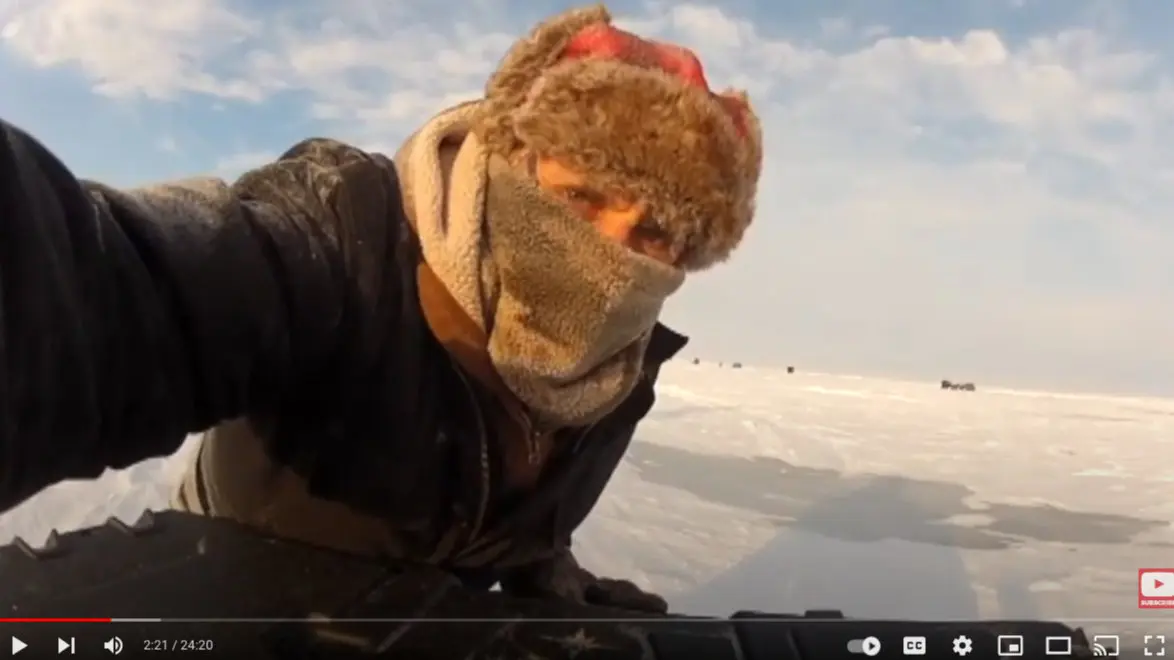
In mid-January 2024, observers noted a substantial crack forming in the ice cover of Lake Erie, specifically in areas close to the shorelines of Ohio and Pennsylvania. The crack, which spans several miles, was first documented by local fishermen and later confirmed by the National Weather Service. The phenomenon is attributed to a combination of rising temperatures and strong winds that caused shifts in ice accumulation.
This year, temperatures in the region have fluctuated significantly, with unseasonably warm days in early January followed by colder snaps. These drastic changes can lead to the weakening and fracturing of the ice. Experts warn that such cracks can present hazards for both recreation activity and local ecosystems, as the breaking ice could disrupt fish spawning grounds.
Environmental and Safety Implications
Authorities are urging residents and visitors to exercise caution around ice-covered areas of the lake. Ice thickness can vary greatly; even areas that appear solid may not be safe to traverse. The U.S. Coast Guard has increased patrols to monitor conditions and enforce safety regulations.
Additionally, environmental scientists are concerned about how changing ice cover affects the overall health of the lake. Ice serves as an insulator for aquatic life during the winter, and significant shifts can lead to temperature changes impacting fish and plant life.
Conclusion and Looking Forward
As the winter progresses, residents living near Lake Erie should stay informed about ice conditions and heed advisories from local authorities. The recent ice crack serves as a reminder of the unpredictable nature of climate in the Great Lakes region. Ongoing studies and monitoring will be essential for understanding the impacts of these ice conditions, especially in light of climate change affecting weather patterns.
Regular updates from meteorological organizations will be vital for ensuring the safety of those who enjoy the natural beauty of Lake Erie during the winter months.