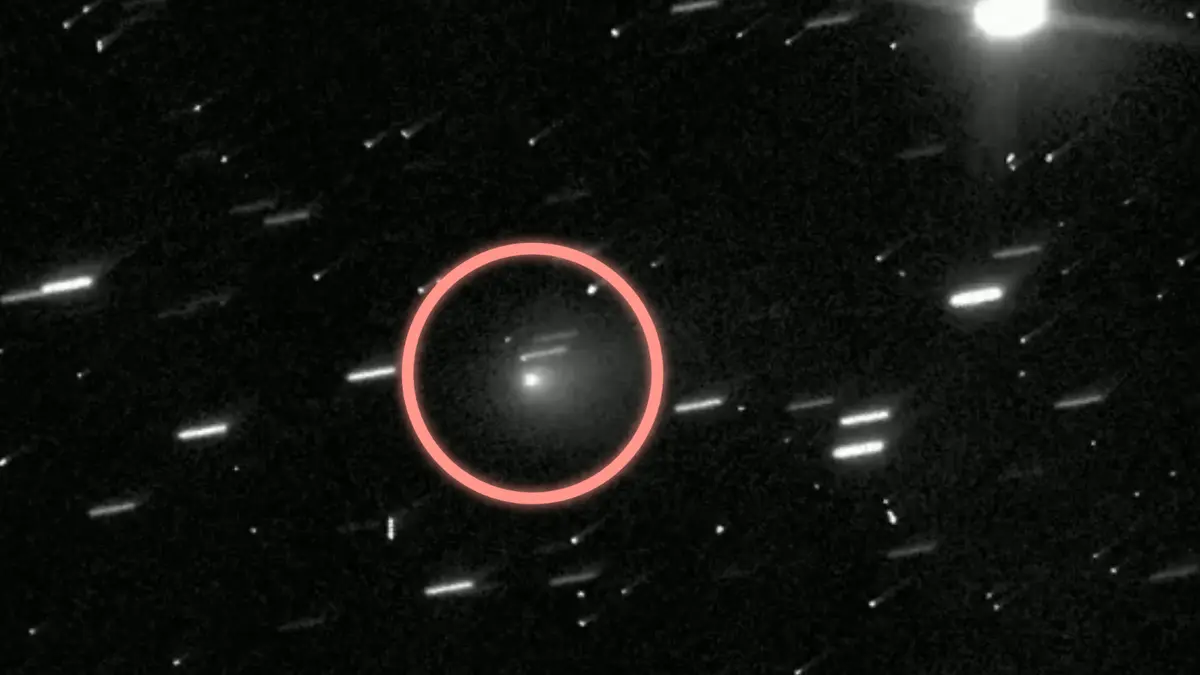
The Importance of Stars
Stars have captivated human imagination for millennia. They are not only vital astronomical bodies that illuminate our night sky, but they also play a crucial role in understanding the universe. Scientists believe that stars are responsible for the creation of the elements that make up the planets and living beings, making them a key topic in both astronomy and our cultural narratives.
Recent Discoveries in Stellar Research
As of October 2023, recent advancements in telescope technology and observational techniques have led to groundbreaking discoveries about stars. For instance, the James Webb Space Telescope (JWST) has captured stunning images of star-forming regions, allowing astronomers to witness the birth of stars in real-time. These observations provide invaluable insights into the conditions that lead to star formation and the fundamental processes that shape galaxies.
In addition, researchers have identified numerous exoplanets within the habitable zones of stars similar to our sun. This potentially opens up new possibilities for discovering extraterrestrial life. For instance, the discovery of Earth-sized planets orbiting the star Proxima Centauri, just four light years away, has reignited discussions about the possibility of life beyond our planet.
Stars in Human Culture
Beyond their scientific significance, stars also hold a prominent place in human culture. Various cultures have created myths, constellations, and stories centered around stars, connecting them to the human experience. For example, the North Star has historically served as a vital navigation aid for travelers, symbolizing guidance and hope.
Moreover, the worship of celestial bodies has been a unifying thread throughout history, with many ancient civilizations, such as the Egyptians and the Babylonians, using stars to track time and predict seasonal changes. In contemporary society, stars continue to inspire art, literature, and music, showing their lasting impact.
Conclusion: The Future of Star Studies
The ongoing exploration of stars offers thrilling prospects for both scientific discovery and cultural reflection. As new technologies emerge, our understanding of these celestial entities is bound to expand, revealing more about their life cycles and the role they play in the cosmic narrative. For readers, the study of stars not only enhances our knowledge of the universe but also encourages a deeper appreciation for the night sky and our place within it. The stars, as they say, are just the beginning.