Introduction
The debate surrounding the acquisition of Greenland by former President Donald Trump grabbed headlines in 2019. The significant geographic and strategic value of the island has raised questions about why a U.S. president would be interested in purchasing such a territory. As the world’s attention shifts toward geopolitical interests and climate change, understanding Trump’s motivations provides insight into the evolving landscape of international relations.
Strategic Importance of Greenland
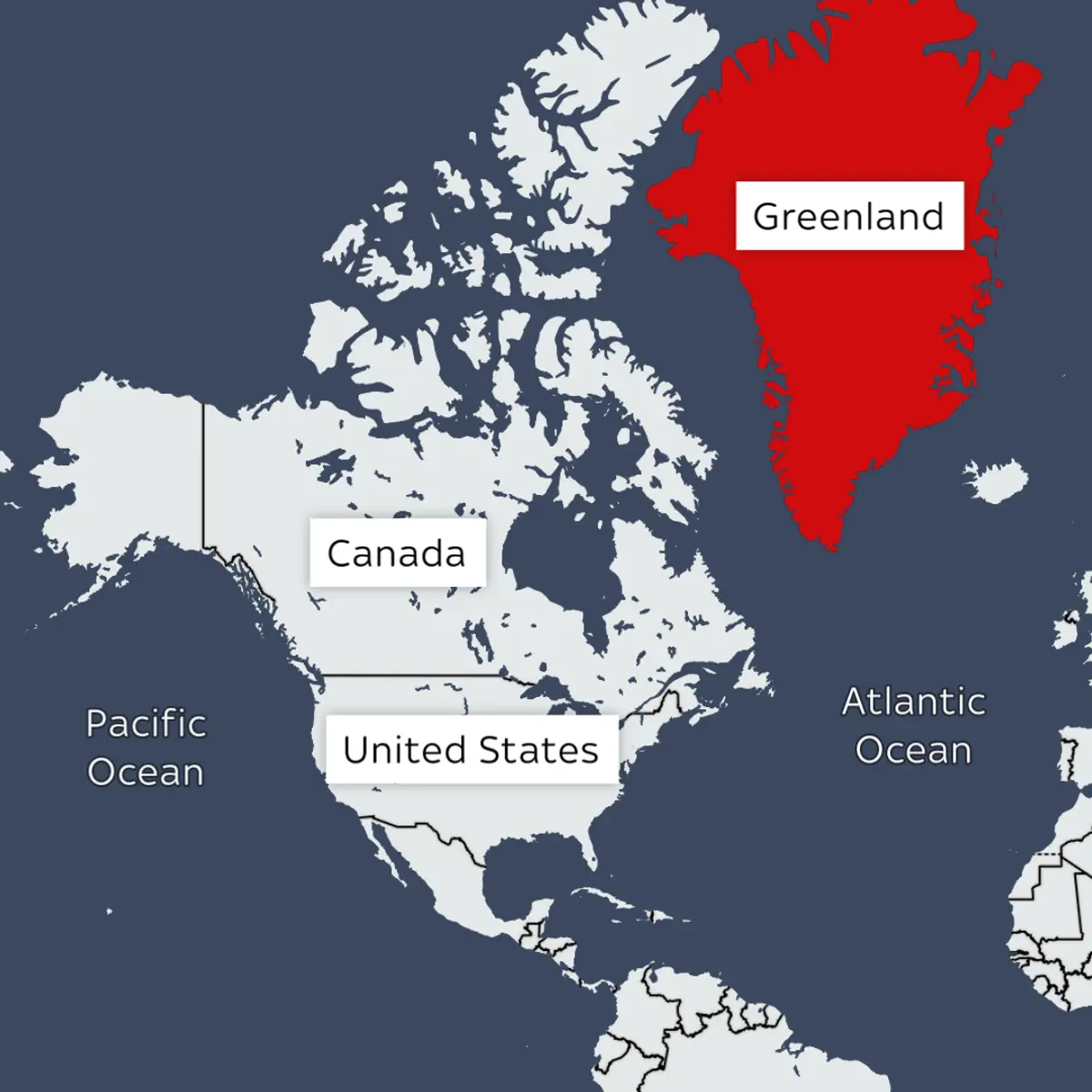
Greenland, an autonomous territory of Denmark, is strategically located between the North American and European continents. Its vast, untapped natural resources, including rare minerals, oil, and gas reserves, are of immense interest to nations looking to bolster their resources. Additionally, the region’s changing climate is making new shipping routes through the Arctic more accessible, further increasing its strategic appeal.
Trump’s Vision and Economic Interests
During his presidency, Trump emphasized boosting U.S. interests globally, and acquiring Greenland was viewed as a means of expanding America’s geopolitical influence in the Arctic region. The vision for acquiring Greenland included leveraging its resources for the future economic benefit of the United States. According to some analysts, Trump’s interest was also partially spurred by the idea of opening new avenues for American businesses in mining and energy.
Geopolitical Context
The push for acquiring Greenland also comes against the backdrop of increasing Russian military activity in the Arctic and China’s growing interests in the region. Many believe that control over Greenland could provide the U.S. with advantages in countering these influences. This was a pivotal factor that drove Trump’s interest in the acquisition, which aimed to solidify American presence and reliability as a partner in Arctic affairs.
Conclusion
Though Trump’s proposal to purchase Greenland was met with skepticism and was ultimately rejected by Denmark, the interest highlights the island’s significant role in contemporary geopolitics. With climate change opening up new possibilities in the Arctic, the future of Greenland remains critical for strategic positioning in global affairs. As discussions around Arctic policies continue to evolve, understanding the implications of U.S. interests in Greenland is essential for assessing the long-term geopolitical landscape.