Introduction to WMATA
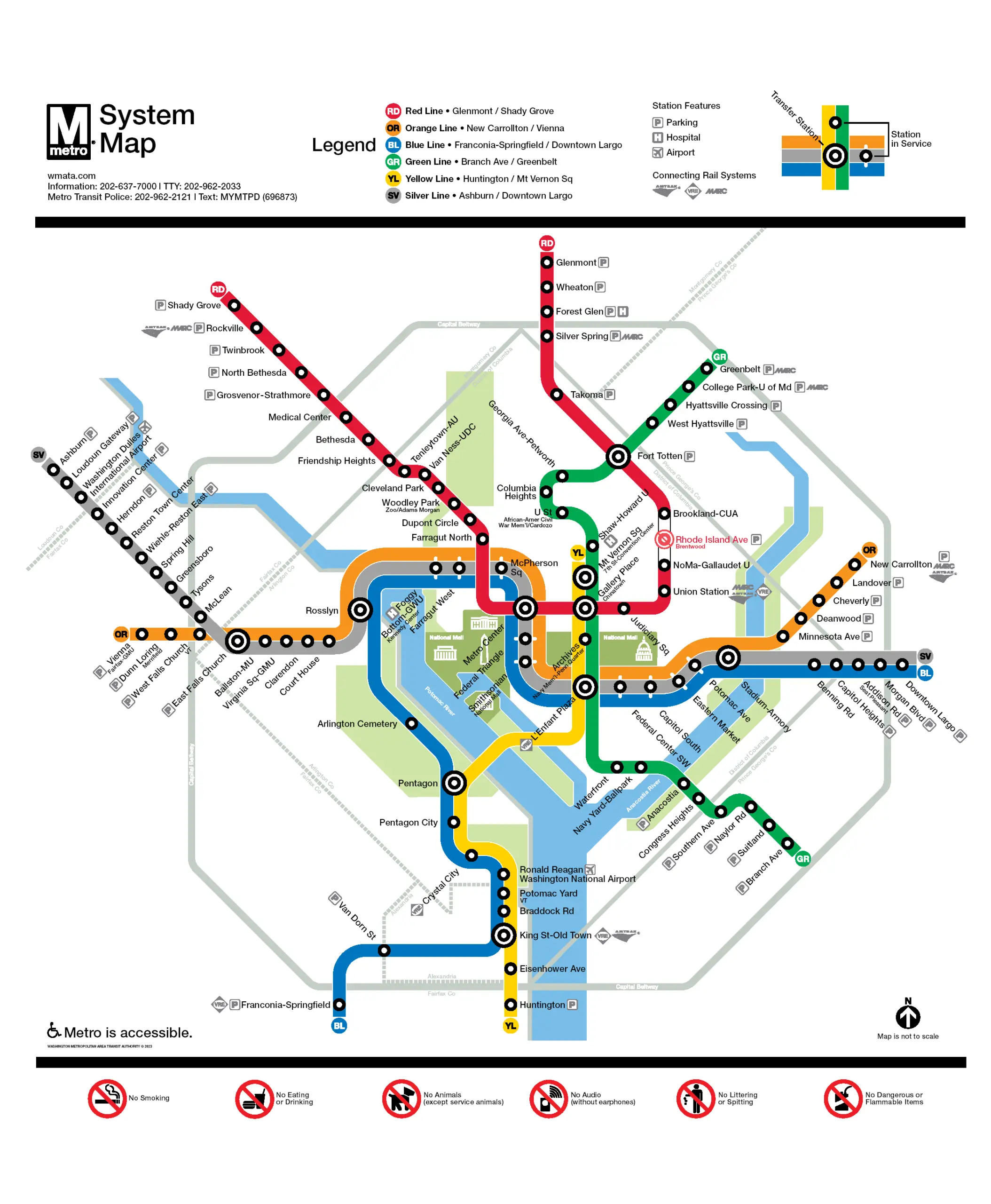
The Washington Metropolitan Area Transit Authority (WMATA) serves as a vital part of the public transportation network in the Washington D.C. area. Established in 1967, WMATA operates the Metrorail and Metrobus services, which are essential for daily commuters, tourists, and residents. As the region continues to grow, WMATA’s operations are increasingly vital for sustainable urban mobility and economic development.
Recent Developments and Service Changes
In recent months, WMATA has introduced several changes aimed at improving service and safety for its users. Following the impacts of the COVID-19 pandemic, WMATA adjusted its schedules and services to better suit the preferences of riders. According to recent reports, Metrorail ridership has been steadily increasing, with an average of 300,000 trips per day as of Fall 2023—up from a low of approximately 100,000 during the height of the pandemic.
Additionally, WMATA is focusing on safety measures, particularly regarding its infrastructure. The Authority has been investing in upgrading its aging rail lines and stations. In September 2023, WMATA announced a significant funding grant aimed at replacing old track systems and enhancing reliability across the network. This investment is crucial as the organization prepares for increased ridership and strives to maintain a safe travel environment.
Community Engagement and Future Plans
WMATA has also been actively engaging with the community to gather feedback on service and operational improvements. Recent workshops have allowed riders to voice their opinions on planned service expansions and proposed fare changes. The response has indicated a strong preference for more frequent trains and expanded bus routes in underserved areas.
Looking towards the future, WMATA plans to roll out several initiatives aimed at equipping the system for a post-pandemic reality. This includes the development of new routes to connect suburban areas and enhance accessibility for all riders. There’s also a focus on integrating new technologies like mobile ticketing and real-time tracking that can provide commuters with more flexibility and information.
Conclusion
WMATA plays a crucial role in the transportation infrastructure of Washington D.C. Its services are not only vital for daily commuting but also contribute significantly to the region’s economy. With ongoing investments and community engagement, WMATA is positioning itself to handle increased passenger demand while ensuring safety and reliability in public transit. As urban centers continue to evolve, the commitment of WMATA to adapt and enhance its services will be key to supporting a sustainable transportation future in the nation’s capital.