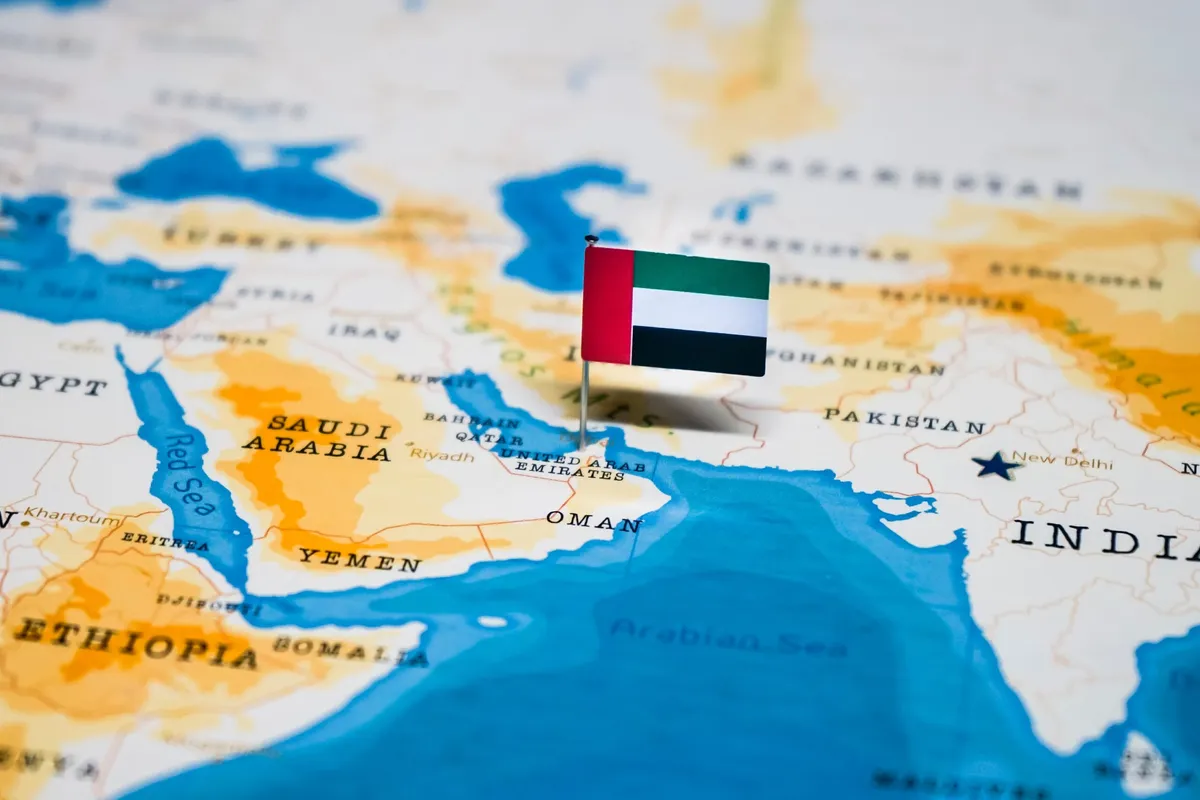
On April 12, 2026, Sheikh Khaled bin Mohamed bin Zayed Al Nahyan arrived in Beijing, China, marking a significant moment for the United Arab Emirates (UAE) as it seeks to strengthen its international partnerships and enhance its technological landscape.
In recent years, the UAE’s 3D ultrasound market has been evolving, transitioning from a high-end niche to becoming a procedural standard. This shift is largely driven by increasing clinical demand for volumetric quantification, particularly in prenatal cardiology and image-guided interventions.
As the market matures, the installed base refresh cycle for ultrasound technology is accelerating due to software-driven obsolescence. This trend indicates a growing need for advanced ultrasound applications, positioning the UAE as a regional reference and training hub.
In tandem with advancements in medical technology, the UAE has introduced a new R&D tax credit regime. Established under Cabinet Decision No. 215 of 2025, this initiative aims to foster innovation and research within the country.
The operationalization of the R&D tax credit was formalized through Ministerial Decision No. 24 of 2026, which outlines a tiered structure for credits. The credit operates at three levels: 15% for qualifying expenditures up to 1 million AED, 35% for expenditures between 1 million and 2 million AED, and 50% for expenditures exceeding 5 million AED.
The headline rate for the R&D tax credit stands at an impressive 50%, making it one of the most attractive in the region. This initiative not only encourages local businesses to invest in research and development but also enhances the UAE’s competitive edge in the global market.
However, the implementation of this tax credit comes with specific compliance requirements. The UAE R&D tax credit mandates that transfer pricing (TP) compliance is a condition precedent to credit qualification. Additionally, the dual-threshold design has direct TP implications, as the headcount requirement cannot be satisfied through intra-group secondments recharged from other tax group members.
As these developments unfold, the UAE is poised to solidify its status as a leader in medical technology and innovation. The combination of a robust ultrasound market and a supportive R&D tax environment is expected to attract both local and international investments.
Currently, the UAE stands at a crossroads, with significant opportunities for growth and advancement in the healthcare sector. The successful integration of these initiatives will be crucial for the country’s long-term economic and technological aspirations.