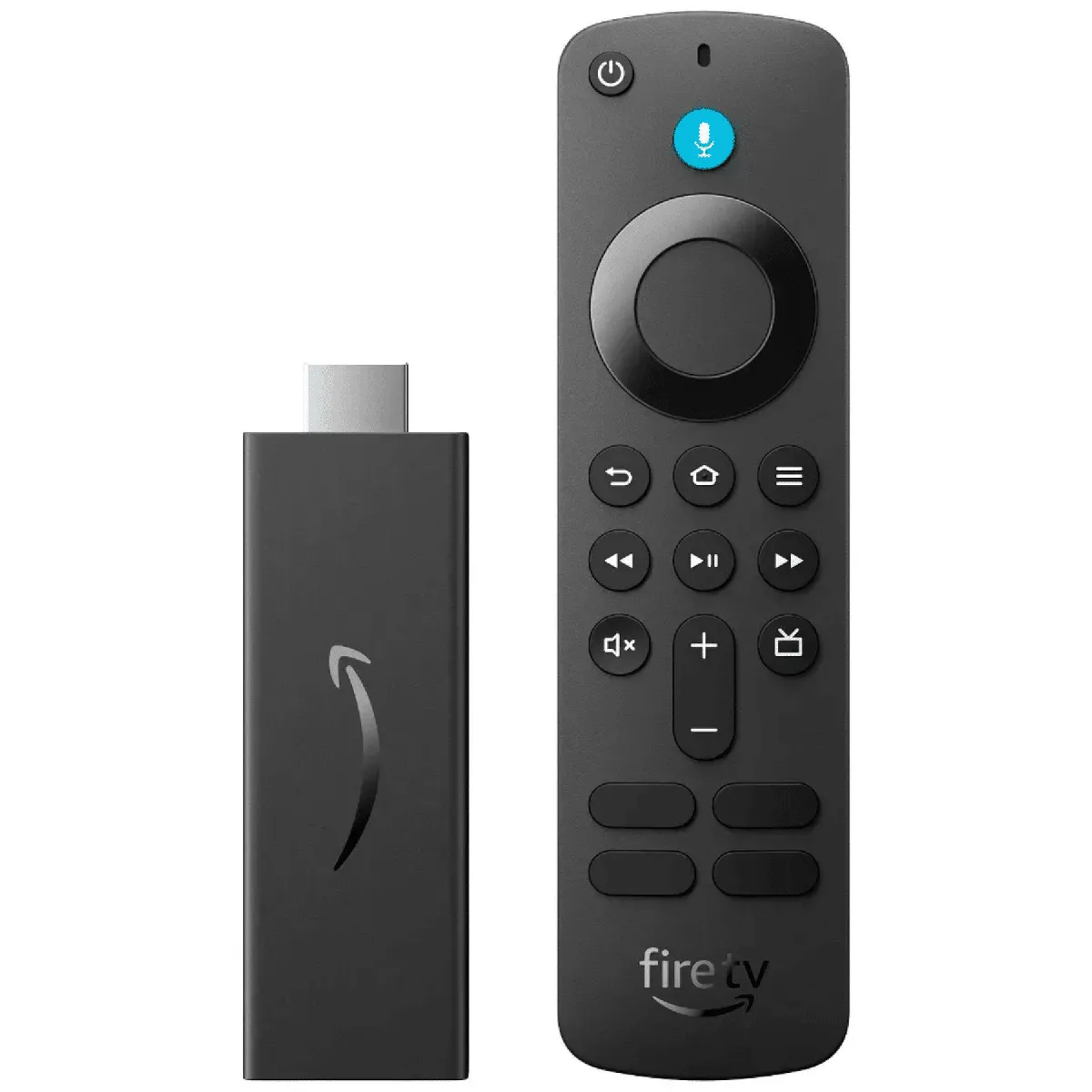
The lawsuit highlights concerns about the marketing of Fire TV Stick devices as providing instant streaming capabilities. Bill Merewhuader has filed a class action lawsuit against Amazon.com Inc. and Amazon.com Services LLC in California state court, alleging that the company misled consumers by selling Fire TV Stick devices that were unlawfully disabled through software updates. The lawsuit claims that Amazon intentionally rendered older Fire TV Stick devices unusable by discontinuing software support.
Merewhuader purchased two second-generation Fire TV Stick devices in 2018, and he asserts that he experienced significant performance issues with his devices within a few years. The lawsuit alleges that Amazon stopped providing software updates for first-generation devices in December 2022, which has led to the devices being described as ‘bricked.’ This term refers to the practice of rendering devices unusable despite the hardware remaining intact.
According to Merewhuader, Amazon promoted Fire TV Stick devices as providing instant access to streaming content, yet he argues that the company failed to disclose that the devices’ core streaming functionality could be reduced or eliminated before the end of the hardware’s useful life. The lawsuit seeks damages, restitution, injunctive relief, and attorneys’ fees, citing concerns raised by federal regulators about companies using software updates to restrict products.
The lawsuit alleges that Amazon’s practices amount to ‘software tethering,’ where a product’s functionality depends on ongoing software support controlled by the manufacturer. Merewhuader asserts claims under California consumer protection laws and breach of contract, emphasizing the misleading nature of Amazon’s marketing strategies.
As the case unfolds, it is expected to draw attention to the broader implications of software updates on consumer electronics and the responsibilities of manufacturers in providing ongoing support for their products. Observers note that this lawsuit could set a precedent for how companies manage software updates and communicate with consumers regarding the longevity and functionality of their devices.
Details remain unconfirmed regarding Amazon’s official response to the lawsuit. However, the case is likely to prompt discussions about consumer rights and the legal responsibilities of tech companies in the rapidly evolving landscape of digital products.