Introduction
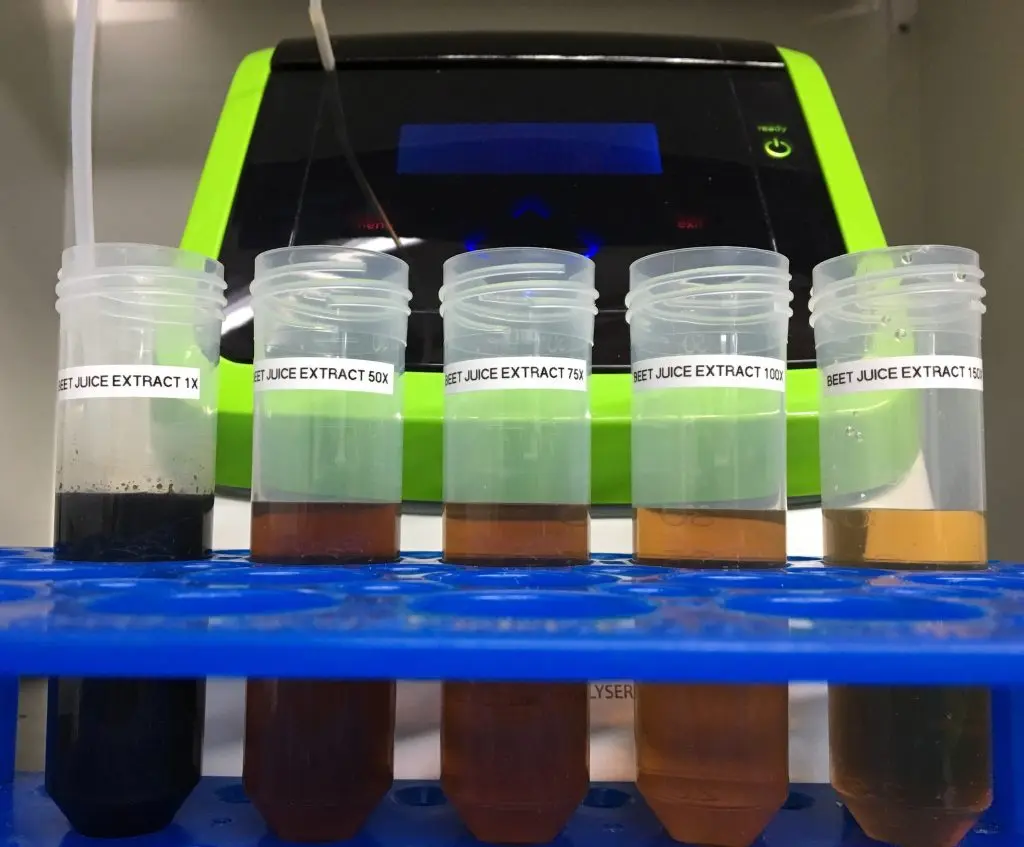
As winter sets in, many cities and states grapple with how to effectively manage ice and snow on roads. In recent years, the use of beet juice has gained traction as a natural, eco-friendly alternative to traditional road de-icing agents. This method not only helps keep roads safer during icy conditions but also reduces environmental damage caused by conventional salts.
The Implementation of Beet Juice
Several regions across the United States are now blending beet juice with traditional road salt to enhance its effectiveness. This innovative practice has been adopted by states like Minnesota and Vermont, which have reported fewer environmental impacts compared to using salt alone. The beet juice acts as a binding agent that helps the salt adhere to the road surface, making the de-icing process more efficient.
Beet juice is derived from the processing of sugar beets and is mixed with brine to lower the freezing point of water. This mixture can remain effective at lower temperatures than salt alone, which is particularly beneficial in extreme winter weather. Furthermore, beet juice is biodegradable, which means it poses less of a risk to nearby plants and wildlife compared to traditional chemical de-icers.
Benefits of Using Beet Juice
One of the primary benefits of using beet juice on roads is its environmental impact. Traditional road salts, which can lead to soil degradation and harm aquatic ecosystems, are significantly less problematic when beet juice is utilized. Additionally, this natural approach reduces the corrosion of infrastructure—metals and concrete—which are often damaged by the harsh chemicals in conventional de-icing agents. In economic terms, while the upfront costs of using beet juice may be higher, the long-term savings on infrastructure repairs and environmental remediation can be substantial.
Conclusion
The increasing trend of using beet juice on roads highlights a significant shift towards more sustainable winter maintenance practices. As more states adopt this practice, it could serve as a model for other regions seeking to balance road safety and environmental stewardship. With ongoing research and positive results from current implementations, beet juice represents a key step towards greener winter weather responses. The potential for broader adoption of this method also sparks interest in further innovations for eco-friendly road maintenance solutions.