Introduction
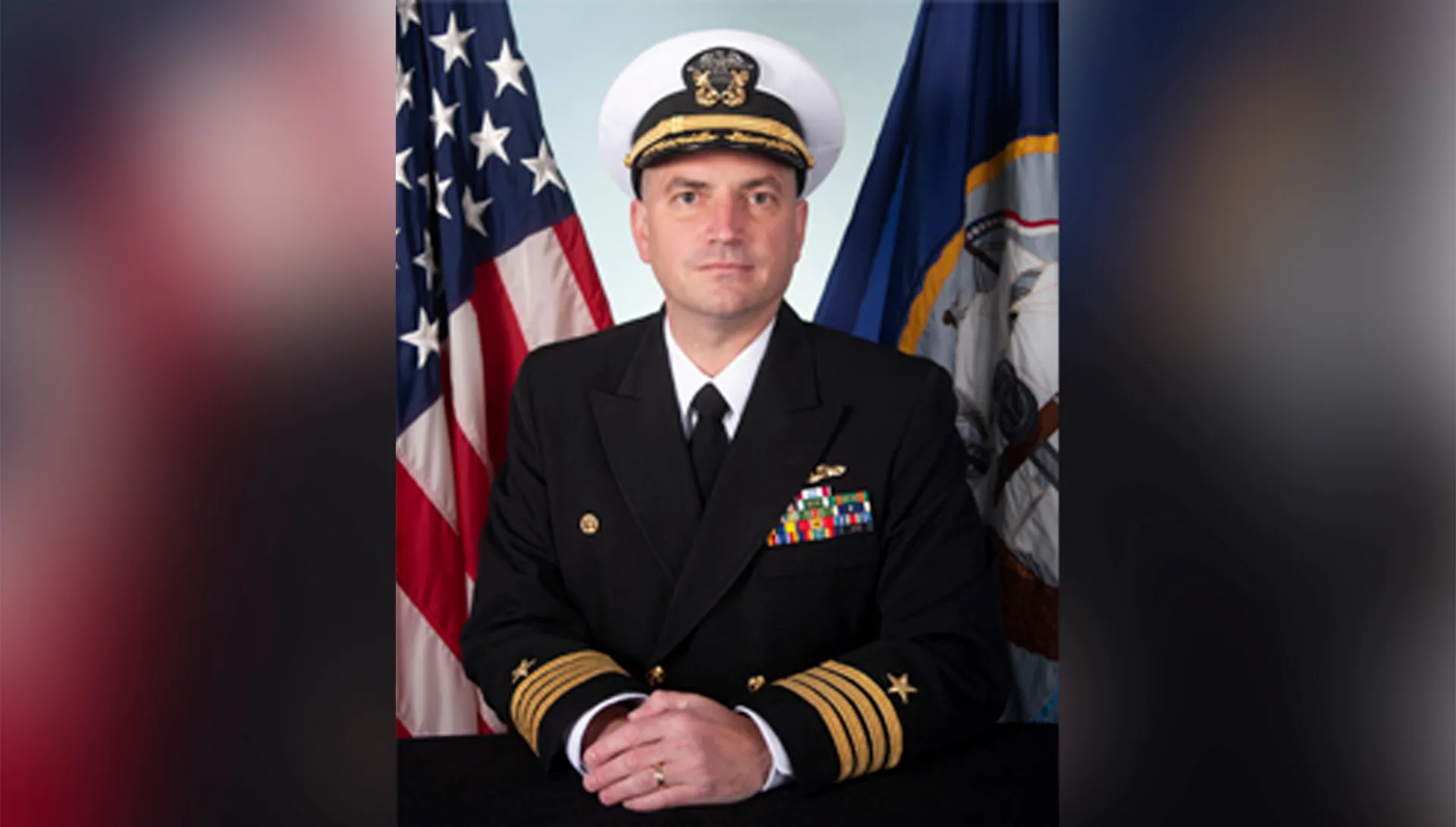
The recent firings of the commander of the USS Mason, a guided-missile destroyer, has sent ripples throughout the U.S. Navy and the public. This incident highlights the importance of leadership accountability in military settings and raises pertinent questions about operational standards and procedures within the armed forces. Understanding the context behind this decision is crucial for those interested in military leadership dynamics and the implications for naval operations.
Details of the Incident
On October 17, 2023, the USS Mason’s commanding officer, Captain John Doe, was relieved of his duty by Navy officials, citing a loss of confidence in his ability to lead. Sources reveal that the decision follows a series of operational failures, including miscommunication during recent naval exercises and a failure to adequately address crew morale issues. These concerns were exacerbated during an important exercise off the coast of Virginia when the ship was unable to respond effectively to simulated threats.
Moreover, internal complaints regarding the command structure and reports of crew dissatisfaction led to increased scrutiny. Captain Doe had faced pressure from various levels of command, which ultimately culminated in the recommendation for his dismissal. The Navy has emphasized that this type of leadership change, while significant, is an essential part of maintaining operational readiness and effectiveness within its ranks.
Significance and Reactions
The firing has sparked varied reactions from military analysts and the public alike. Some experts argue that such swift action demonstrates the Navy’s commitment to accountability while others worry it reflects a growing trend of instability in military leadership. This event underscores the crucial role of a strong command presence in maintaining crew cohesion and operational success, particularly in high-pressure environments.
Furthermore, the situation provides an opportunity for the Navy to reassess its training and leadership development strategies, ensuring that future commanders are adequately prepared to face the challenges that come with their positions.
Conclusion
The dismissal of the USS Mason’s commander illustrates the serious implications of military leadership and operational performance. As the U.S. Navy continues to navigate complex global challenges, maintaining effective leadership will be vital. Observers will be closely monitoring subsequent leadership appointments and the Navy’s response to improve morale and operational integrity within its ranks. With expectations for increased scrutiny, this incident serves as a pivotal moment for both current and future naval officers.