“Tonight, truth prevailed over lies. Today, we won because Hungarians didn’t ask what their homeland could do for them — they asked what they could do for their homeland,” declared Péter Magyar, the newly elected leader of Hungary, following a decisive victory over Viktor Orbán’s long-standing administration.
Orbán, who has been a dominant figure in Hungarian politics for the past 16 years, conceded defeat after his Fidesz party garnered only 37% of the vote, compared to the 53% secured by Magyar’s Tisza party. This election, held on April 12, 2026, saw a record turnout of nearly 80%, highlighting the public’s engagement and desire for change.
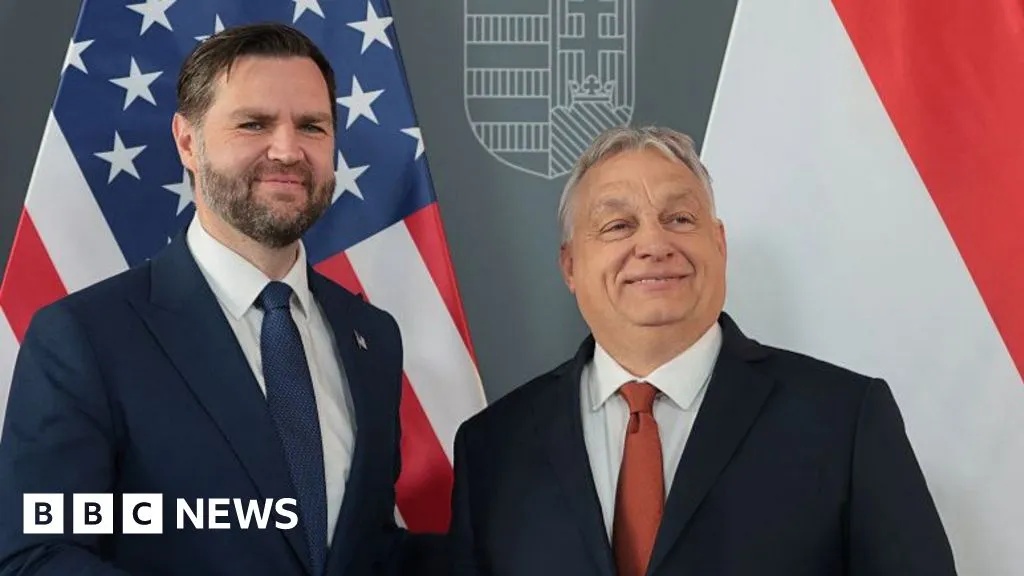
In the days leading up to the election, JD Vance, a prominent American politician, urged Hungarians to support Orbán, emphasizing his belief in Orbán’s leadership. Vance stated, “We have got to get Viktor Orbán reelected as prime minister of Hungary, don’t we?” However, despite these endorsements, the electorate chose to shift direction.
Magyar’s victory signifies a potential transformation in Hungary’s political landscape and its relationship with the European Union. Orbán’s administration has faced criticism for undermining democracy and media freedom, and his policies have strained ties with the EU, particularly regarding Hungary’s refusal to assist Ukraine amid the ongoing Russian invasion.
In the aftermath of the election, Orbán expressed his commitment to continue serving Hungary, stating, “We are going to serve the Hungarian nation and our homeland from opposition.” This marks a significant shift for a leader who has been a close ally of both Donald Trump and Vladimir Putin, and who has frequently utilized his veto power within the EU.
As the political dynamics within Hungary evolve, the implications of Orbán’s defeat may extend beyond national borders, potentially altering the landscape of European politics. Observers are keenly watching how this shift will affect Hungary’s future policies and its interactions with the EU.
With 94 out of 106 voting districts won by Tisza, the election results indicate a clear mandate for change. The defeat of Orbán, who has been a polarizing figure, is expected to resonate throughout Europe, raising questions about the future of populist movements in the region.
As Hungary embarks on this new chapter, the political landscape remains charged with uncertainty, and the next steps for both Magyar and Orbán will be closely monitored by both domestic and international audiences.