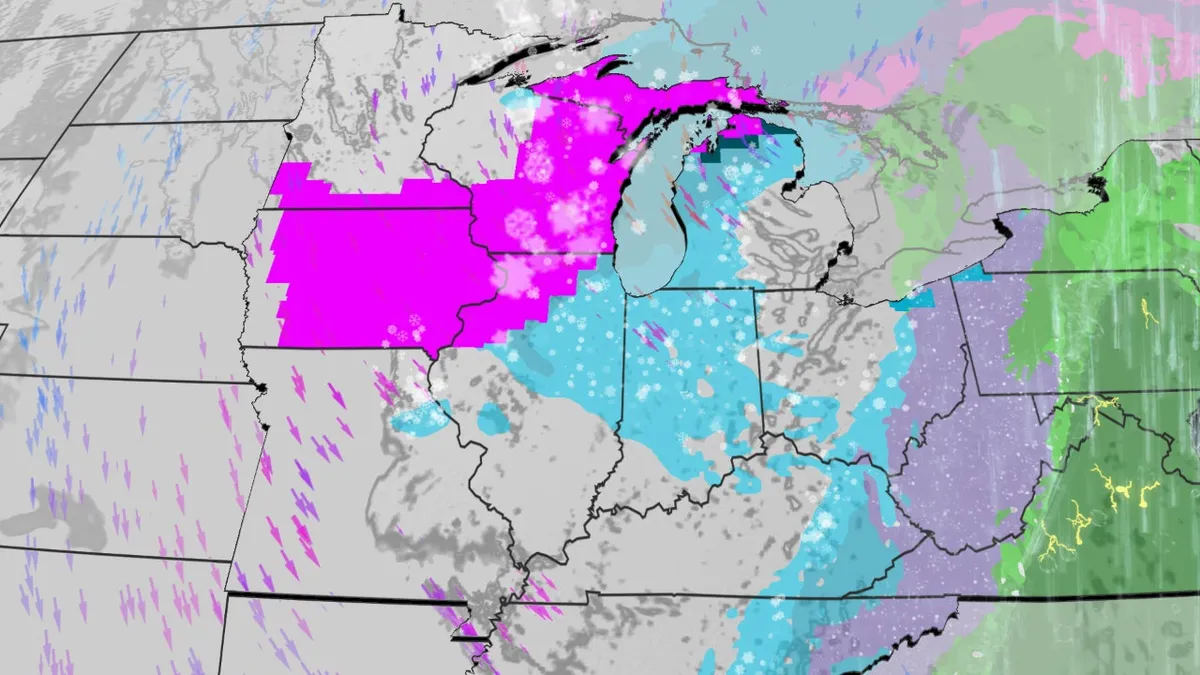
A major winter storm, named Winter Storm Iona, is currently affecting the Upper Midwest, bringing blizzard conditions and dangerous travel across the region. The storm has led to significant snowfall, with Herman, Michigan, reporting an impressive 36 inches, while Mountain, Wisconsin, recorded 34 inches.
In Wausau, Wisconsin, 23.4 inches of snow fell, breaking the city’s all-time record for the snowiest single day in 130 years. Green Bay, Wisconsin, also experienced its snowiest single day in 137 years, with 17.1 inches of snow. The Minneapolis-St. Paul airport received 8.8 inches, contributing to the hazardous travel conditions.
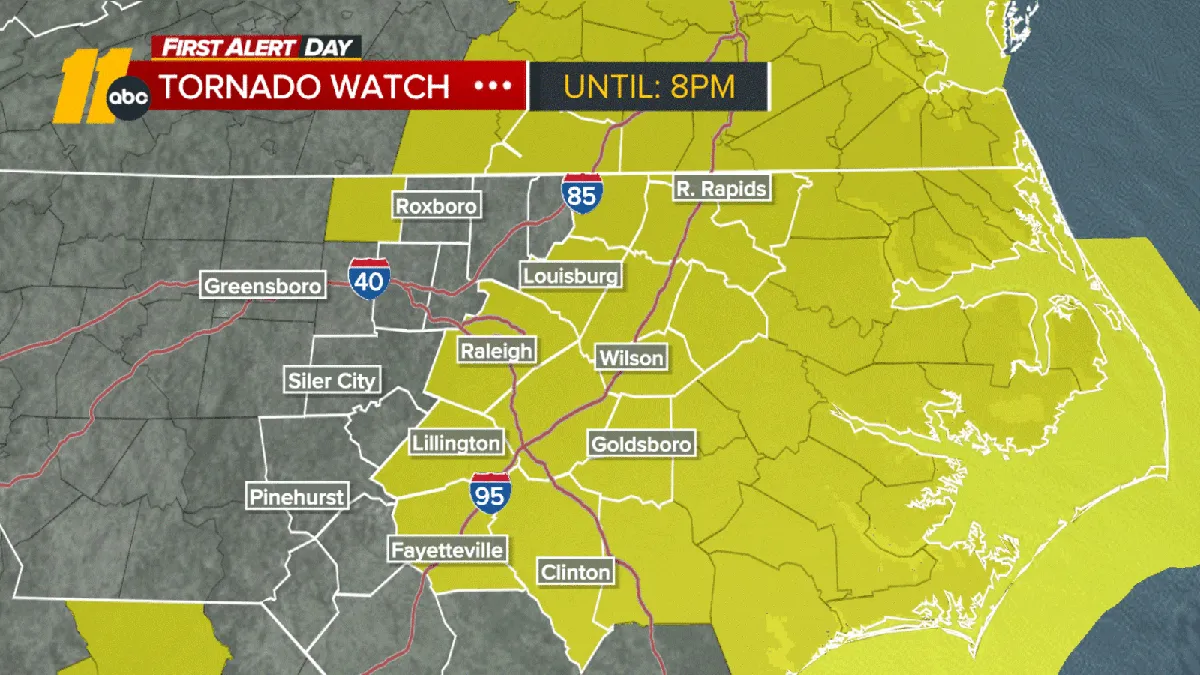
Blizzard conditions have been reported from Minnesota and Iowa to Wisconsin and northern Michigan, prompting warnings from local authorities. Federal employees in the D.C. region received an early dismissal due to severe weather expected to hit the area, which includes a tornado watch and strong to severe thunderstorms.
The American Red Cross is responding to the severe weather across multiple states, including the blizzard conditions and strong winds. Over 300,000 customers are currently without power due to the storm’s impact.
In addition to the blizzard, severe weather and wildfires have prompted small relief responses in Missouri, Arkansas, Texas, and Oklahoma. Shelters are open in Wisconsin, where almost two feet of snow has already fallen.
OPM Director Scott Kupor stated, “The weather forecasts continue to suggest that there is risk for very high winds and rain such that we would like to reduce the number of people on the road during normal rush hour.” This highlights the urgency for residents to stay safe and avoid unnecessary travel.
As communities brace for the ongoing storm, residents are encouraged to prepare for the unexpected. The American Red Cross advises, “Prepare for the unexpected by making a plan to stay safe and connected.” Additionally, they recommend staying warm indoors and seeking public spaces if homes become too cold.
For those in affected areas, the message is clear: “If thunder roars, go indoors.” As the storm continues to unfold, officials are monitoring the situation closely, and details remain unconfirmed regarding the full extent of the storm’s impact.