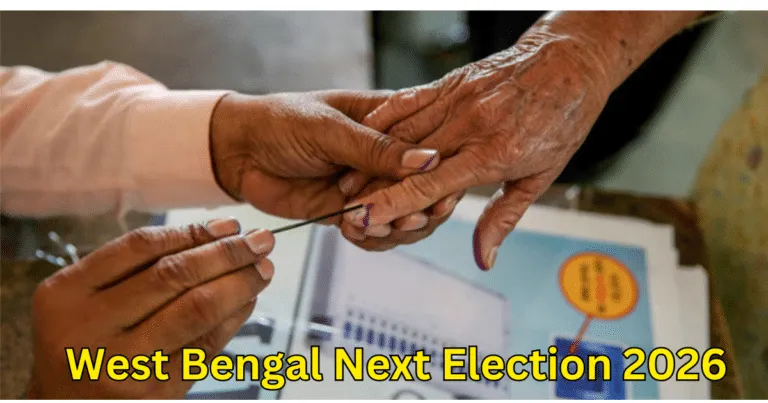
The BJP’s victory in West Bengal marks its first win in a state where it has historically struggled, signaling a major political shift in the region. In the elections held on May 4, 2026, the BJP won or was leading in 200 out of 294 seats. The Trinamool Congress (TMC), led by Mamata Banerjee, managed to secure just 87 seats.
Before this election, expectations leaned heavily toward TMC maintaining its power. The TMC has been in control of West Bengal since 2011, and many analysts anticipated that their welfare schemes would continue to resonate with voters. However, anti-incumbency sentiments appeared to have taken root among the electorate.
The decisive moment came when nearly 68.2 million people cast their votes, resulting in a record turnout of about 92.93 percent. This marked a significant engagement from voters compared to previous elections. The BJP’s campaign strategies focused on welfare initiatives and strong grassroots organization, which seemed to resonate well with the electorate.
The impact on both parties has been profound. The BJP’s win is viewed as a substantial political shift, altering the landscape of West Bengal politics. Meanwhile, TMC leaders face criticism for their governance as anti-incumbency sentiments grow stronger. Experts highlight that while Mamata Banerjee remains popular, there is visible discontent towards her party’s machinery.
Expert Opinions:
- Seema Das stated, “Didi has lost the track and only appeases Muslims to stay in power.”
- Rahul Verma noted, “There is visible support for Mamta and she remains popular, but there is anti-incumbency against the TMC machinery.”
- Praveen Rai commented, “The party system had turned hostile towards the people who did not subscribe to their ideology.”
- Suvendu Adhikari expressed gratitude: “I want to thank every Hindu Sanatani who cast their votes in favour of the BJP.”
This election not only reshapes party dynamics but also reflects broader societal shifts within West Bengal. The Hindu-Muslim polarization may have played a role in influencing voter behavior. As parties reassess their strategies moving forward, the implications of this election will likely be felt for years to come.