The financial fallout from a political boycott highlights the deepening rift within Idaho’s Republican Party over immigration policy. Tom Zuiderveld lost approximately $125,000 in annual commissions after four major dairies ended their business relationships with him. These dairies accounted for roughly 80 percent of his earnings.
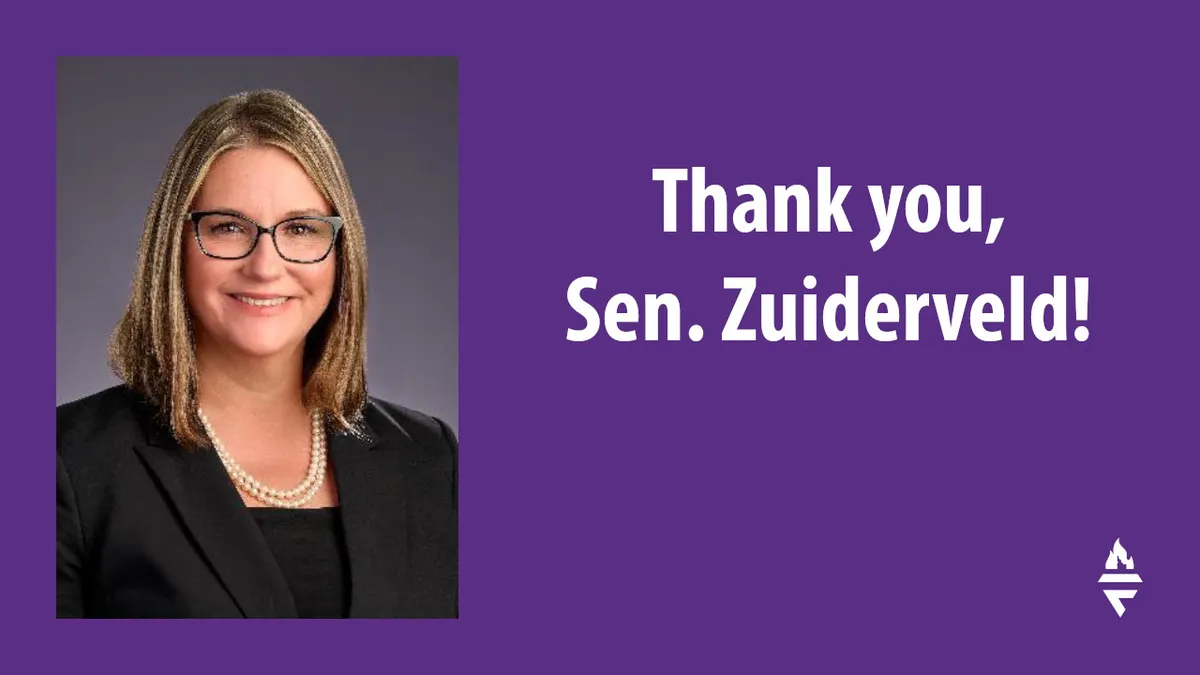
The conflict arose due to Glenneda Zuiderveld’s hardline stance on immigration as a Republican lawmaker. She has co-sponsored bills requiring E-Verify checks for employers, which has drawn criticism from those in the agricultural sector.
Idaho’s dairy industry heavily relies on immigrant labor. About 90 percent of its workforce consists of immigrants, many without legal work permits. This reliance creates tension between the needs of the industry and the political climate surrounding immigration.
Tom Zuiderveld actively supports his wife’s political efforts, serving as her campaign treasurer. However, this support has come at a cost. The political divide within the Republican Party in Idaho has intensified over immigration policy, affecting personal and professional relationships.
Rick Naerebout, a representative from the Idaho Dairymen’s Association, noted, “This will be a potential tipping point for Idaho: Do we continue to shift further to the right, or do we moderate some?” His comments reflect concerns about the future direction of the party and its policies.
Brent Reinke, another industry figure, raised questions about the long-term impact of these developments. He asked, “What’s the impact next week, next month and next year?” The implications of these changes are still unfolding.
The Idaho dairy industry is vital to the state’s economy. It is the third-largest dairy sector in the United States and employs roughly 4,500 people. The loss of key business relationships can have cascading effects throughout this sector.
As tensions rise within the Republican Party over immigration issues, individuals like Tom Zuiderveld face significant financial repercussions. The intersection of personal beliefs and professional realities continues to shape Idaho’s political landscape.