Introduction
As winter approaches, various weather alerts come to the forefront, one of which is the freeze watch. This term, often used by meteorologists and local news stations, signifies that potentially dangerous freezing temperatures are on the horizon. Understanding what a freeze watch entails is crucial for farmers, gardeners, and those living in areas susceptible to cold weather. A freeze watch informs people about the risks, allowing them to take necessary precautions to safeguard property, crops, and health.
What is a Freeze Watch?
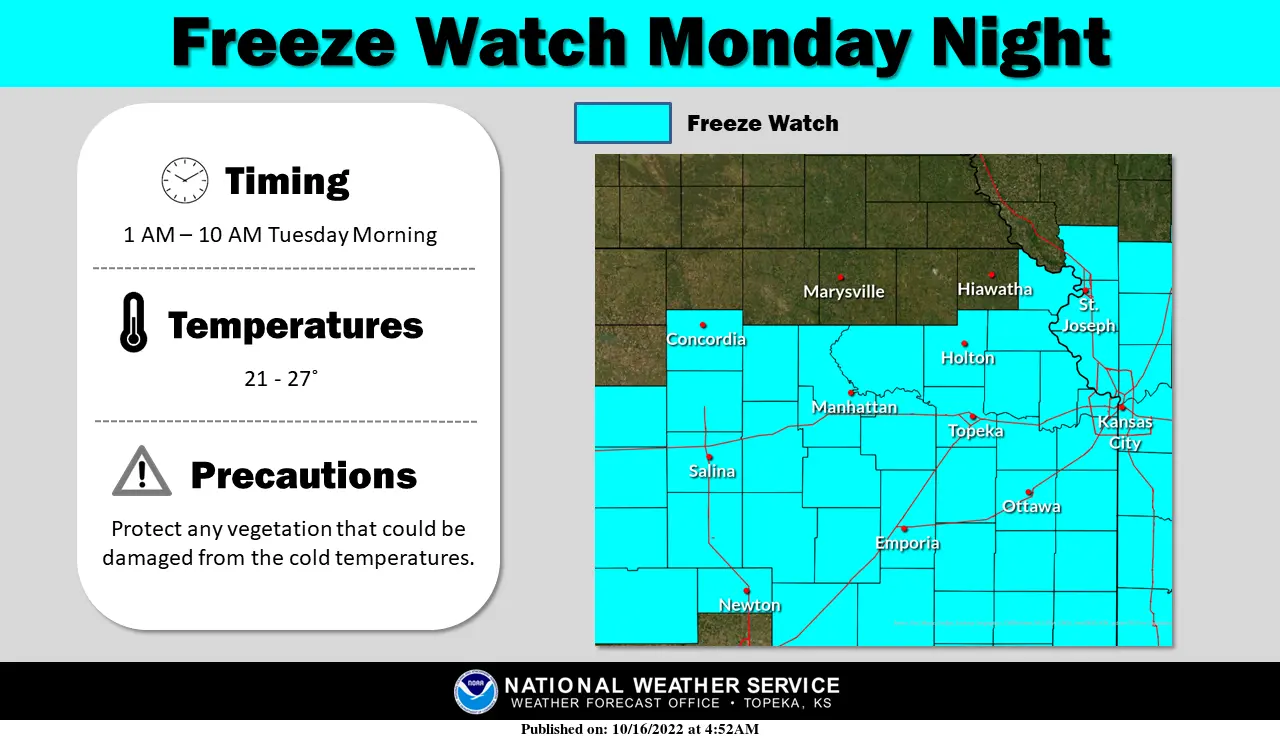
A freeze watch is an advisory issued by the National Weather Service (NWS) indicating that temperatures may drop to 32 degrees Fahrenheit (0 degrees Celsius) or lower within the next 12 to 36 hours. Unlike a freeze warning, which signals that freezing conditions are imminent or already occurring, a freeze watch serves as a heads-up for residents to prepare. These alerts are especially relevant in the fall and spring, as sudden temperature drops can catch individuals and communities off guard.
Recent Events and Impacts
This fall, several regions in the Midwest and Northeast United States experienced freeze watches due to unseasonably cold weather patterns. For example, cities like Minneapolis and Chicago reported freeze watches last weekend as temperatures were expected to plummet overnight. Experts noted that the transition from warmer days to freezing nights has significant consequences for agriculture and local economies. In vulnerable areas, growers faced hardships as unprotected crops could suffer damage or be lost entirely.
How to Prepare for a Freeze Watch
When a freeze watch is issued, it’s crucial to take steps to protect yourself and your property. Here are a few tips:
- Cover Sensitive Plants: Use cloth, plastic, or specialized plant covers to protect delicate flowers and garden beds from frost.
- Bring In Potted Plants: If possible, move potted plants indoors or into a garage to shield them from freezing temperatures.
- Check Heating Systems: Ensure heating systems are working properly in your home, and prepare to heat any vulnerable outbuildings.
- Stay Informed: Monitor local forecasts and updates from the National Weather Service for the latest information.
Conclusion
A freeze watch serves as an important alert for communities and individuals alike, signaling the need for preparedness against potentially damaging cold weather. With forecasts suggesting more erratic temperature fluctuations due to climate change, residents, especially in agricultural areas, must stay vigilant. By understanding the implications of a freeze watch and taking proactive measures, individuals can minimize the risks associated with these chilling conditions, protecting both their property and well-being.