League and Union Address Player Safety
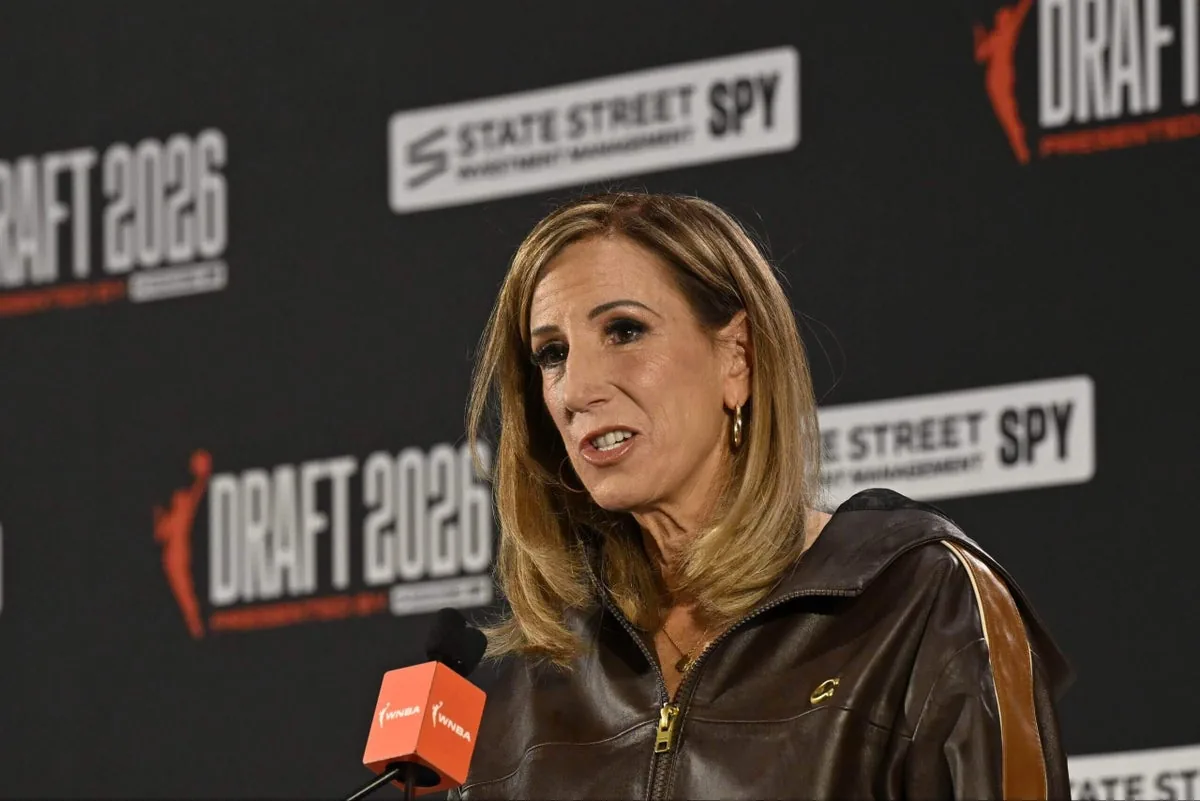
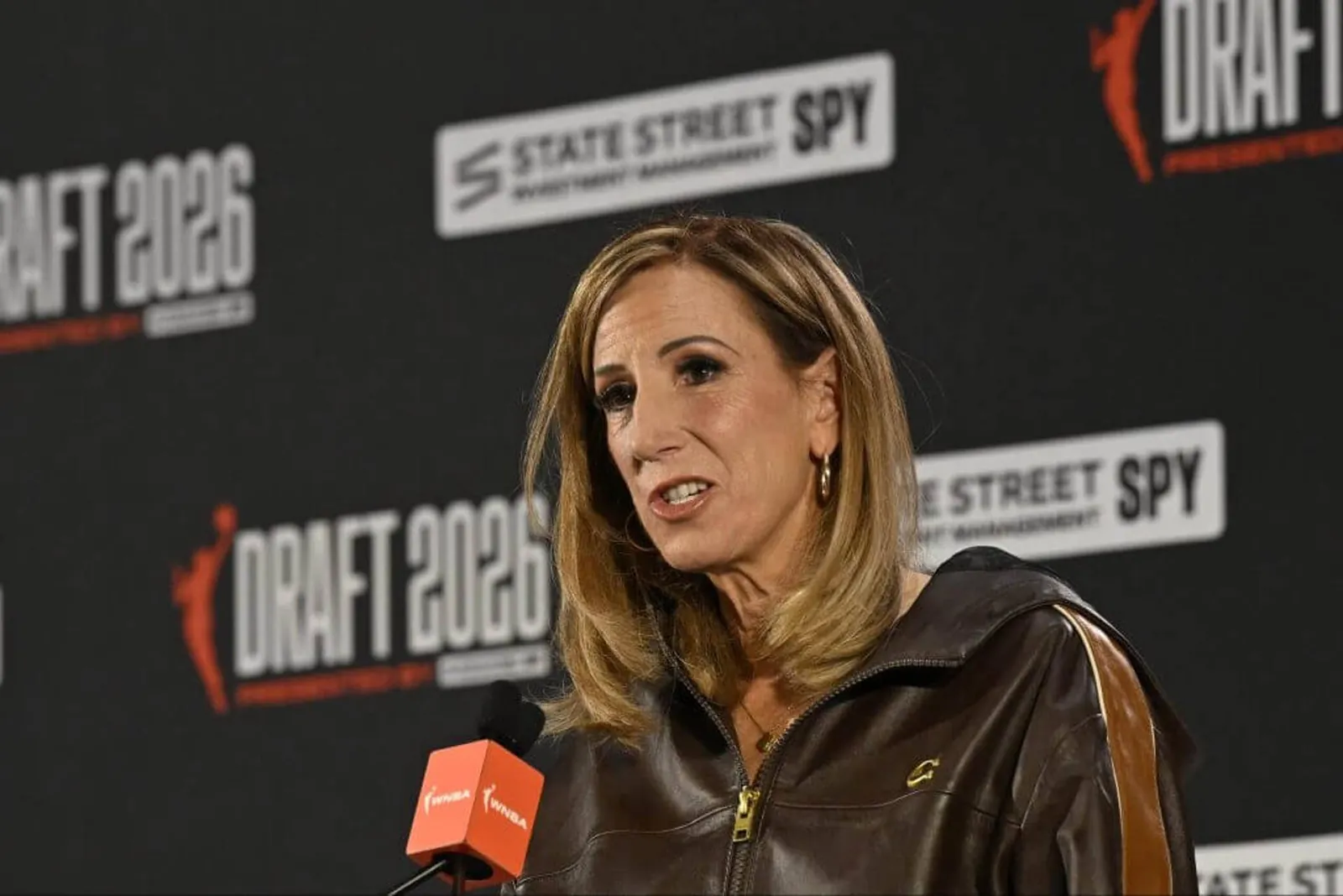
The WNBA and the Women’s National Basketball Players Association (WNBPA) convened on Tuesday, July 21, in advance of the 2026 WNBA All-Star Game to discuss player safety and other issues. The meeting included WNBA commissioner Cathy Engelbert, leadership from the WNBPA Executive Committee, and the Justice, Equity, Diversity and Inclusion (JEDI) Committee. League security representatives were also present during the virtual discussion.
A joint statement released on Wednesday by the league and its union highlighted the focus of the meeting. The conversation centered on the recent increase in racist, hateful, and abusive messages directed at players. It also emphasized the importance of addressing issues proactively through consistent communication and strengthening the relationship between the league and the union.
The league has committed to enhancing security resources and plans to collaborate with organizations that align with its values and shared priorities. This meeting marks the beginning of an ongoing dialogue, with both parties united in their commitment to building on this work together.
Responding to Player Concerns and Harassment
The meeting followed multiple players raising concerns about health and safety in recent weeks. Phoenix Mercury forward Alyssa Thomas publicly urged the WNBA and Commissioner Engelbert to take action after she received death threats and online abuse. This followed a one-game suspension for contact with Caitlin Clark during the Mercury’s June 24 victory over the Indiana Fever.
Thomas stated on June 30 that the league had not contacted her regarding the suspension or the aftermath of the incident. Commissioner Engelbert later issued a statement affirming the league’s commitment to player safety and well-being, noting that Thomas’s experiences were unacceptable. According to an anonymous source, Engelbert exchanged text messages with Thomas and offered a phone call, also directing league security to contact Phoenix security regarding ongoing threats.
Las Vegas Aces guard Chelsea Gray also spoke out about the abuse players have faced, including racial slurs. Gray shared her experience after a Hilton Grand Vacations employee was fired for directing a racial slur at her online. She expressed hope that making such incidents public would provide a realistic view of what she and other Black WNBA players encounter regularly.
Security Enhancements and Future Discussions
The WNBPA requested the meeting to address how the league could be more proactive in handling crises that significantly affect players. Chicago Sky center and WNBPA secretary Elizabeth Williams noted that communication from the league side needed to be more consistent. She acknowledged that steps are being taken, which is encouraging, but called for more consistency.
Security measures were codified in the league’s new seven-year collective bargaining agreement, reached in March. This agreement mandates that every team secure at least one security officer to accompany players during all team-related activities. Many teams have implemented these standards over the past three years, with most now traveling with at least two security guards.
Dallas Wings forward Alysha Clark recounted an incident from earlier in her career where fans followed her to her car after a game when no security was present. Now, players are accompanied to their cars by team security in both home and away markets. WNBPA vice president Breanna Stewart observed a shift in security measures when she joined the New York Liberty in 2023, noting the team travels with three security guards who are advised to be a constant presence for player safety.
Before this season, each WNBA market had two WNBA security representatives working with arena personnel and local law enforcement; this number has increased to three this season. Protocols for online harassment include players, coaches, and executives reporting incidents to team security, who then coordinate with the league. The league’s Global Security Operations Center assesses and investigates threats, potentially pursuing bans and referrals to law enforcement.
Further steps discussed on Tuesday included seeking accountability from tech companies for harassment on social media platforms and streamlining communication among team security, the league, and law enforcement. The reporting process was also clarified for players. While no similar meetings are currently scheduled, the idea of making these discussions a more regular occurrence was considered, with Williams stating a desire for a more collaborative approach rather than feeling like a response to desperation.
Read Also
Source: eu.usatoday.com