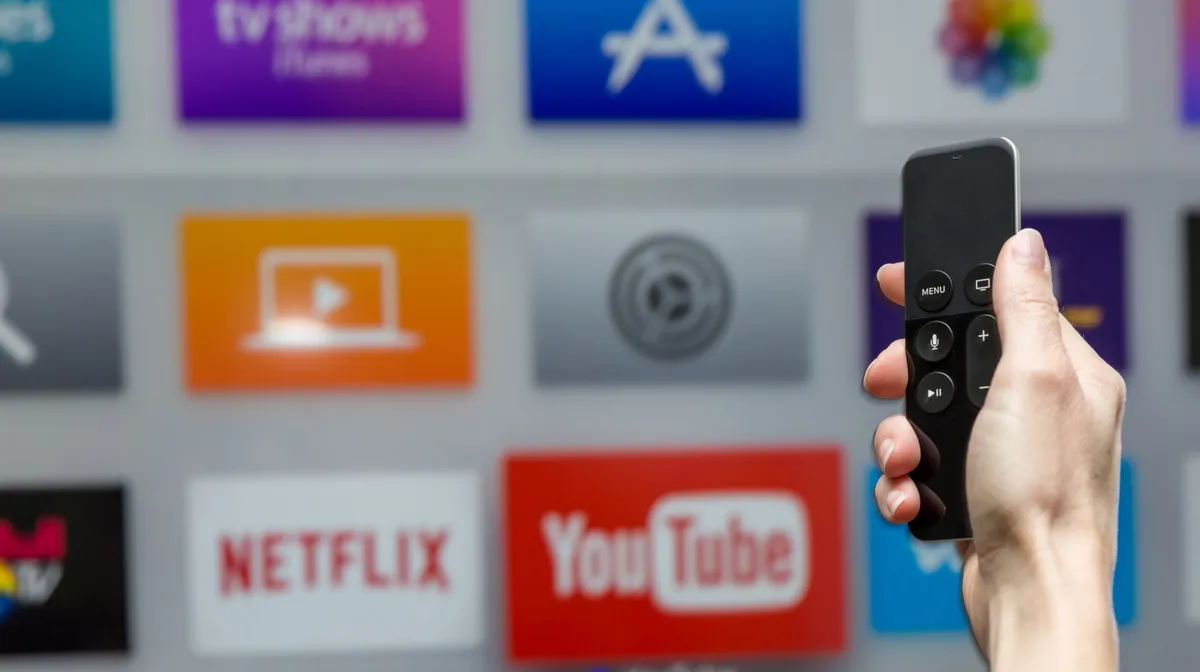
YouTube TV’s New Advertising Strategy
YouTube TV has officially rolled out a new advertising format, introducing 30-second unskippable ads on connected devices globally as of March 12, 2026. This change is part of Google’s broader Video Reach Campaigns expansion, which aims to enhance advertising effectiveness through advanced technology.
Immediate Impact and Viewer Reactions
The introduction of these unskippable ads has already sparked significant frustration among viewers. Many users have taken to social media to express their discontent, with one frustrated user stating, “So the goal is to make YouTube feel more like cable TV, the exact thing everyone left cable TV to escape.” Another user lamented, “Thirty seconds of your life, held hostage, every single video, unless you pay up.” These sentiments reflect a growing concern that the platform is shifting towards a more traditional television model.
Financial Context and Projections
This advertising strategy coincides with YouTube’s projected revenue hitting $62 billion, surpassing Disney and solidifying its position as the world’s largest media company. The television audience has become YouTube’s fastest-growing segment, prompting the company to optimize ad formats dynamically using artificial intelligence. This AI system selects ad formats based on viewer behavior, ensuring that advertisers can reach their target audiences effectively.
Subscription Options and User Choices
For those looking to avoid these ads, YouTube offers subscription options. YouTube Premium, which costs $13.99 monthly, completely removes ads, while YouTube Premium Lite, priced at $7.99 monthly, eliminates many ads but still displays them on select content. This strategy appears designed to make the free viewing experience increasingly frustrating, thereby encouraging more users to subscribe.
Comparisons to Traditional Television
The rollout of unskippable ads has led viewers to draw comparisons between YouTube and traditional cable television. As the platform evolves, some users are expressing concerns that the essence of YouTube as a user-friendly, on-demand service is being compromised in favor of a more conventional advertising model. The 30-second unskippable ads are intended to allow brands to tell fuller stories, but the backlash suggests that many viewers are not receptive to this approach.
Official Statements and Future Directions
In response to the changes, Google has emphasized the benefits of their AI-driven advertising strategy. A Google spokesperson noted, “Google AI dynamically optimizes between 6-second Bumpers, 15-second standard, and 30-second CTV-only non-skippable formats, ensuring your campaign reaches the right audience at the right time.” This statement highlights the company’s commitment to leveraging technology to enhance advertising effectiveness.
As YouTube continues to innovate and adapt its advertising strategies, the reactions from viewers will likely influence future decisions. While the platform aims to enhance its revenue and advertising capabilities, the balance between user experience and monetization remains a critical consideration. Details remain unconfirmed regarding how these changes will evolve in the coming months and whether user feedback will lead to adjustments in the advertising model.