Understanding Winter Storm Warnings
As winter approaches, winter storm warnings become increasingly pertinent for communities across the United States. These warnings are issued by the National Weather Service (NWS) to alert the public about impending severe winter weather that could impact travel, safety, and daily life. Given the rising unpredictability of winter storms due to climate change, being aware of these warnings is crucial for both safety and preparedness.
Recent Developments in Winter Storm Warnings
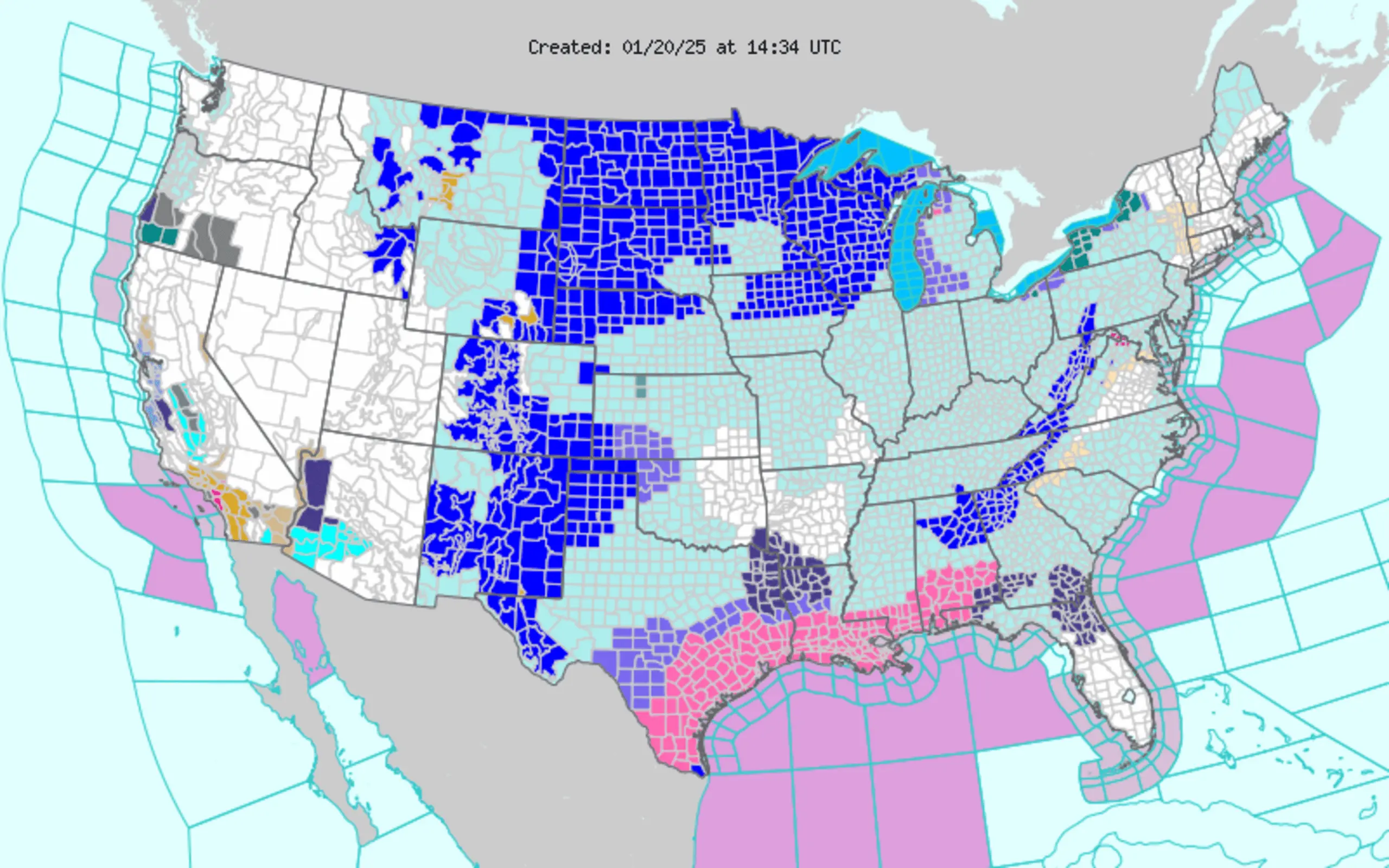
In recent weeks, parts of the Midwest and Northeast have been under winter storm warnings, with forecasts predicting significant snowfall accumulation, ice, and strong winds. For example, areas in Minnesota and Wisconsin are currently facing warnings of up to 10 inches of snow and icy conditions that could lead to dangerous travel scenarios. As of this week, New York State has also been placed under winter storm watches, with meteorologists predicting heavy snow and near-blizzard conditions over the weekend.
Impact on Communities and Travel
These winter storm warnings can lead to multiple disruptions within communities. Schools may close, businesses could operate on reduced hours, and transportation systems might face delays or shutdowns. The Federal Aviation Administration (FAA) recently issued advisories for major airports in affected areas, anticipating significant flight delays and cancellations as airlines cope with the storm’s impact. Additionally, local emergency services are on high alert, prepared to assist with any storm-related emergencies.
Safety Tips and Preparedness
As winter storms are a regular yet disruptive occurrence, it is essential for residents in affected areas to prepare adequately. The American Red Cross recommends keeping an emergency kit that includes essentials like food, water, medications, warm clothing, and blankets. Additionally, residents should stay informed by monitoring local news sources and weather updates from the NWS. During severe weather, it’s wise to travel only if necessary and to keep a vehicle emergency kit handy.
Conclusion and Future Implications
As winter progresses, the frequency of winter storm warnings is expected to increase, underscoring the importance of staying informed and prepared. With advancements in meteorological technology, these warnings can provide critical lead time for individuals and families to react effectively to storms. As we face the winter months, being proactive can help mitigate the impact of these formidable winter weather events.