Reflecting on Women’s Struggles and Achievements
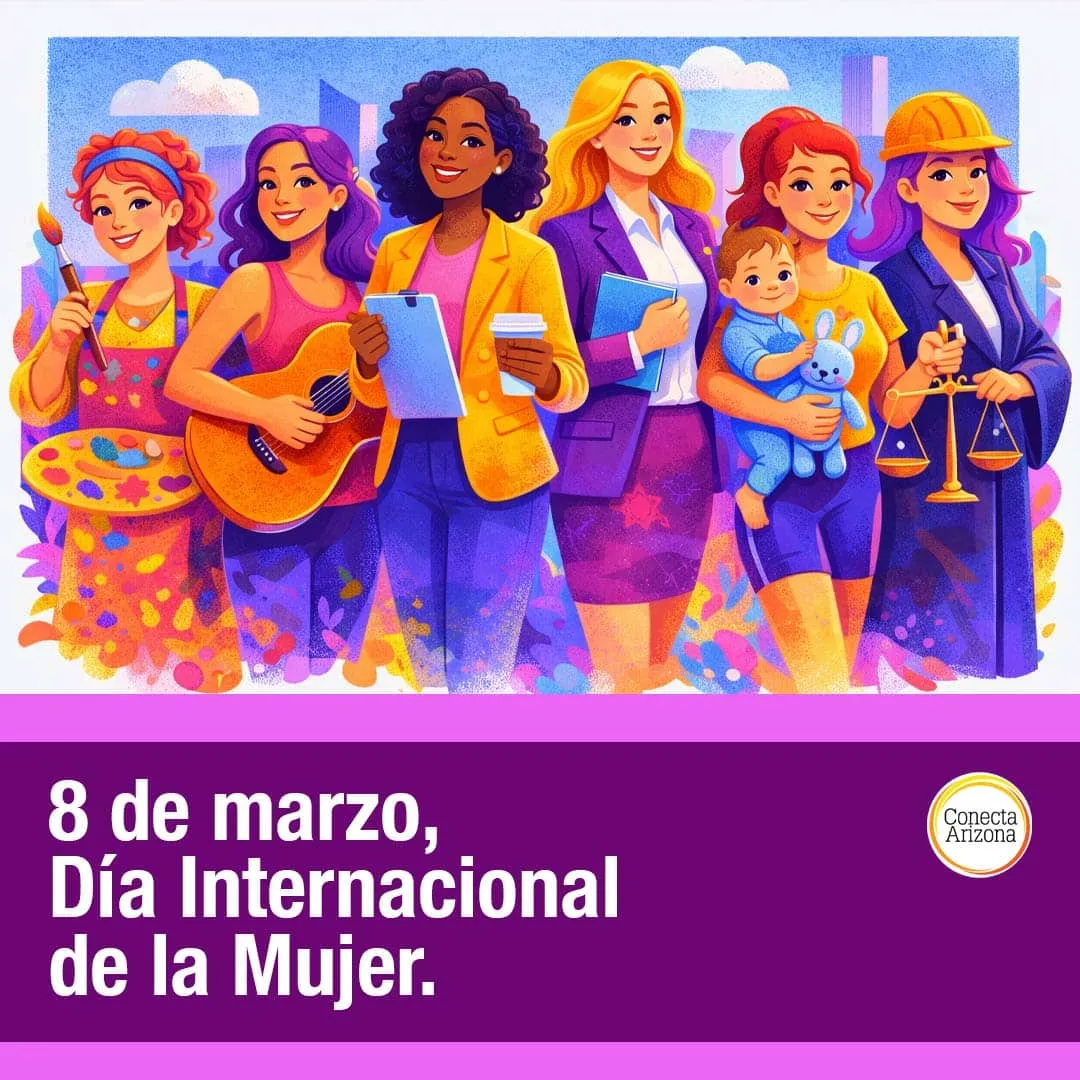
“El Día de la Mujer es un recordatorio a veces incómodo de todo lo que nos sigue faltando y un reconocimiento a lo que hemos ganado,” stated Maritza Félix, emphasizing the dual nature of International Women’s Day as both a celebration and a call to action. This day, celebrated annually on March 8, serves as a reminder of the historical struggles women have faced and the achievements they have made over the years.
International Women’s Day originated from women’s demands for better working conditions and rights, and it has evolved into a global day of recognition. In the United States, this day highlights the significant contributions of Hispanic women, who play vital roles in culture, economy, politics, and community life. Despite their essential contributions, these women often remain unrecognized.
Félix further elaborated, “El 8 de marzo nació de mujeres hartas de ganar menos, de trabajar más y de que les costara la vida alzar la voz.” This quote reflects the roots of International Women’s Day, which emerged from the frustrations of women who fought against economic disparities and social injustices. The day not only celebrates achievements but also brings attention to ongoing issues such as the gender pay gap, violence against women, and unpaid care work.
Judith León, another key voice in the celebration, remarked, “Para mí es una jornada de conmemoración, de reflexión y de análisis sobre las luchas y los logros de las mujeres en mi comunidad.” Her words encapsulate the essence of the day as a time for reflection on the struggles and victories of women, particularly within Hispanic communities. León’s perspective highlights the importance of recognizing both the challenges faced and the successes achieved by women.
Hispanic women, who are often involved in various sectors including business, education, and politics, contribute significantly to the fabric of American society. However, their contributions are frequently overlooked, underscoring the need for greater recognition and support. The day serves as a reminder of the ongoing struggles for women’s rights and recognition, reinforcing the idea that there is still much work to be done.
As International Women’s Day approaches in 2026, the focus remains on the need for continued advocacy and awareness. The voices of women like Félix and León resonate as powerful reminders of the collective journey towards equality and recognition. Their insights encourage a broader dialogue about the challenges that remain and the importance of solidarity among women across different backgrounds.
In the United States, the celebration of International Women’s Day is not only a moment to honor past achievements but also a call to action for future progress. The contributions of Hispanic women are integral to this narrative, and their stories need to be highlighted and celebrated. As the day draws near, communities are expected to engage in discussions and events that further promote gender equality and women’s rights.
Details remain unconfirmed regarding specific events planned for this year’s observance, but the anticipation for a day filled with recognition and reflection continues to grow. The commitment to addressing the challenges faced by women, particularly Hispanic women, remains a focal point as society strives for a more equitable future.