Eid Mubarak, a phrase meaning ‘blessed festival’ in Arabic, is a significant celebration for Muslims around the world. This year, Eid al-Fitr is set to be observed on March 20, 2026, marking the end of the holy month of Ramadan.
As Ramadan concludes, Muslims prepare for Eid al-Fitr, which is celebrated on the first day of Shawwal, the 10th month in the Islamic calendar. The exact date of Eid is determined by the sighting of the crescent moon, which this year is expected to be confirmed on March 19.
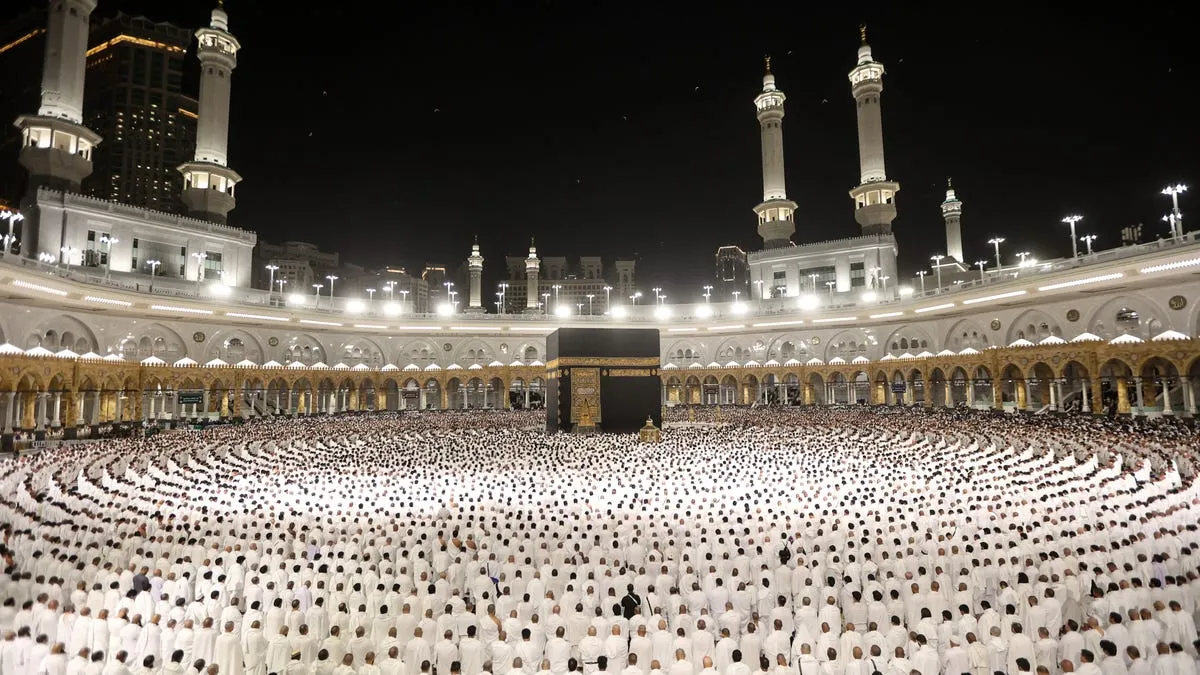
On this day, Muslims will wake up early, prepare special meals, and attend prayers at local masjids. It is a time for communal worship and reflection after a month of fasting. Eating during daylight hours on Eid is forbidden, symbolizing the end of the fasting period.
Before attending Eid prayers, Muslims are obligated to give a charitable donation known as Zakat al-Fitr, which supports those in need. This act of charity underscores the importance of helping the less fortunate, a core value in Islam.
During the celebrations, families and friends greet each other with the phrase “Eid Mubarak!” and often embrace one another. Children typically receive gifts and money, known as ‘Eidi,’ enhancing the festive atmosphere.
The significance of Eid al-Fitr extends beyond mere celebration; it serves as a reminder of the values of community, charity, and gratitude. With approximately 2 billion Muslims worldwide, the festival fosters unity and joy among diverse cultures.
While Eid is celebrated for one day, some Muslims extend their festivities for as long as three days, engaging in various cultural traditions. This year, the second Eid, Eid al-Adha, is predicted to fall on the evening of May 26, 2026.
As the date approaches, communities around the world are preparing for this important occasion, emphasizing the spirit of togetherness and generosity that defines the celebration of Eid Mubarak.