Introduction
As winter approaches, the threat of severe winter storms looms over many regions in the United States. These storms can bring heavy snowfall, freezing rain, and icy conditions that disrupt daily life and pose serious risks to safety. Preparing for winter storms is crucial for ensuring the well-being of individuals and families. This article provides valuable information on how to effectively prepare for winter storms, highlighting steps that should be taken before the snow begins to fall.
Understanding Winter Storms
Winter storms are meteorological events characterized by freezing rain, sleet, snow, or a combination of these elements. According to the National Weather Service, winter storms can lead to hazardous travel conditions, power outages, and damage to structures. In recent years, the frequency and intensity of these storms have increased, emphasizing the need for preparedness.
Preparation Steps
1. Stay Informed
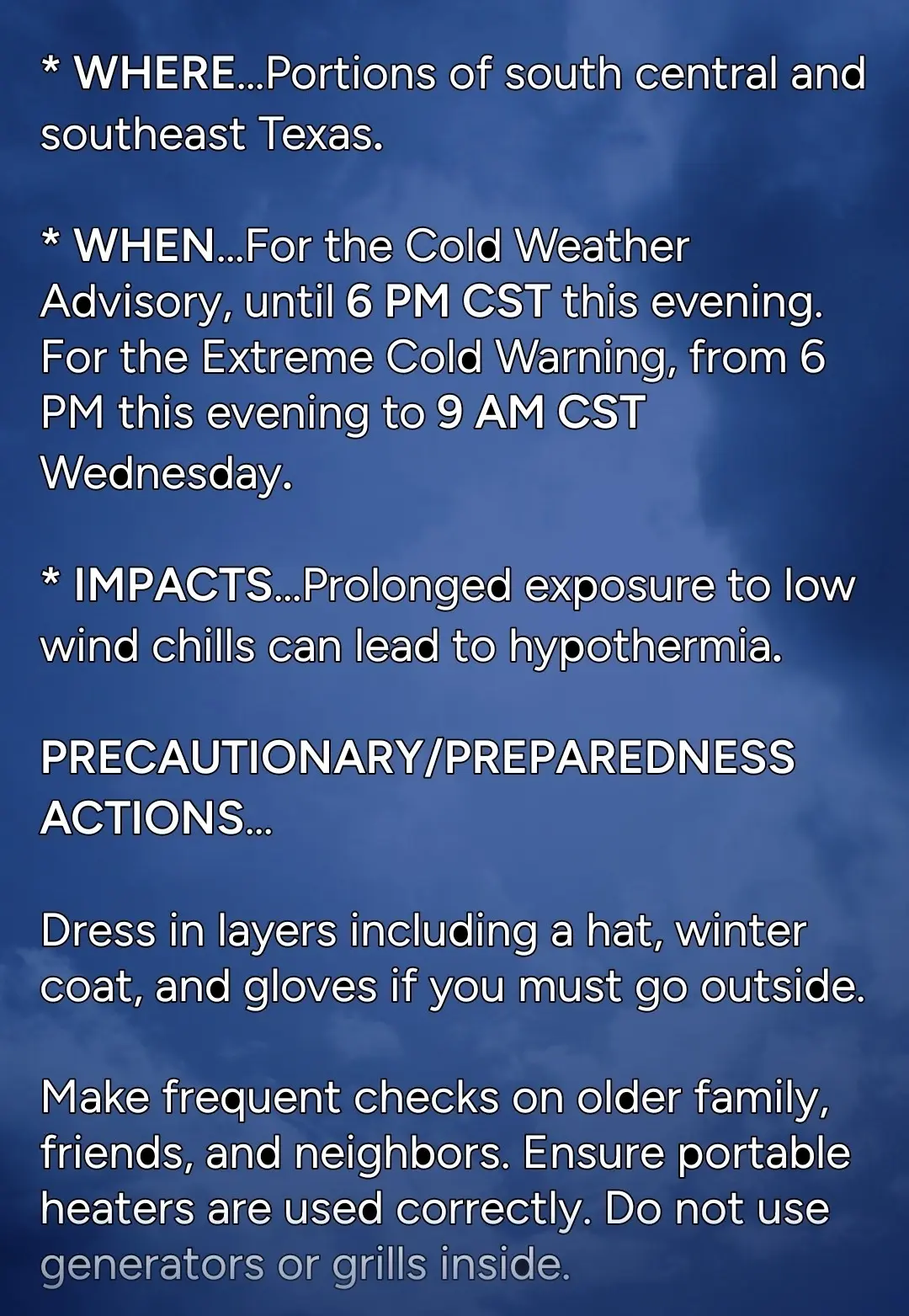
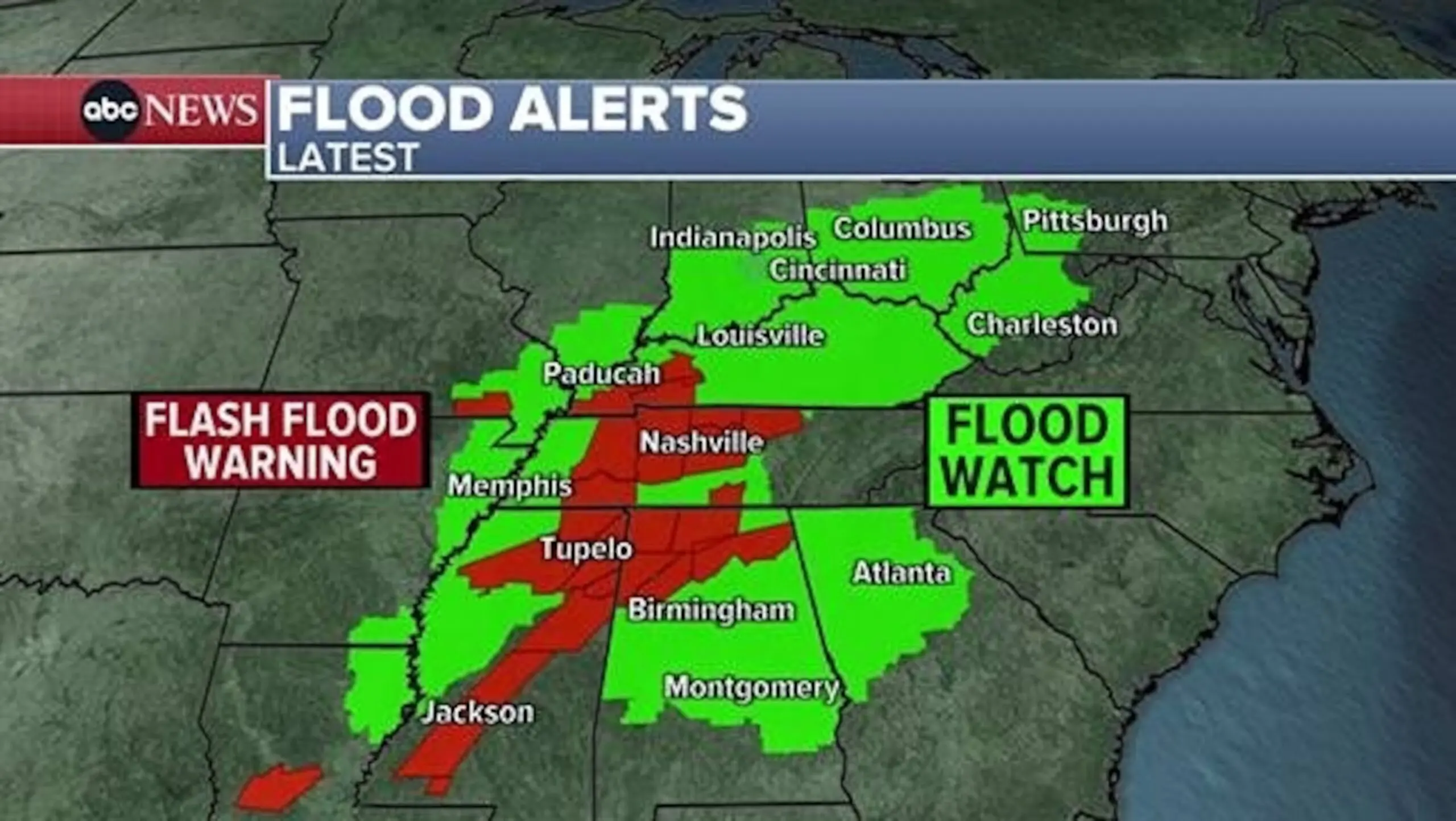
Monitor local weather forecasts and alerts for updates on impending winter storms. Use reliable sources such as the National Weather Service to receive timely information concerning storm warnings and advisories.
2. Create an Emergency Kit
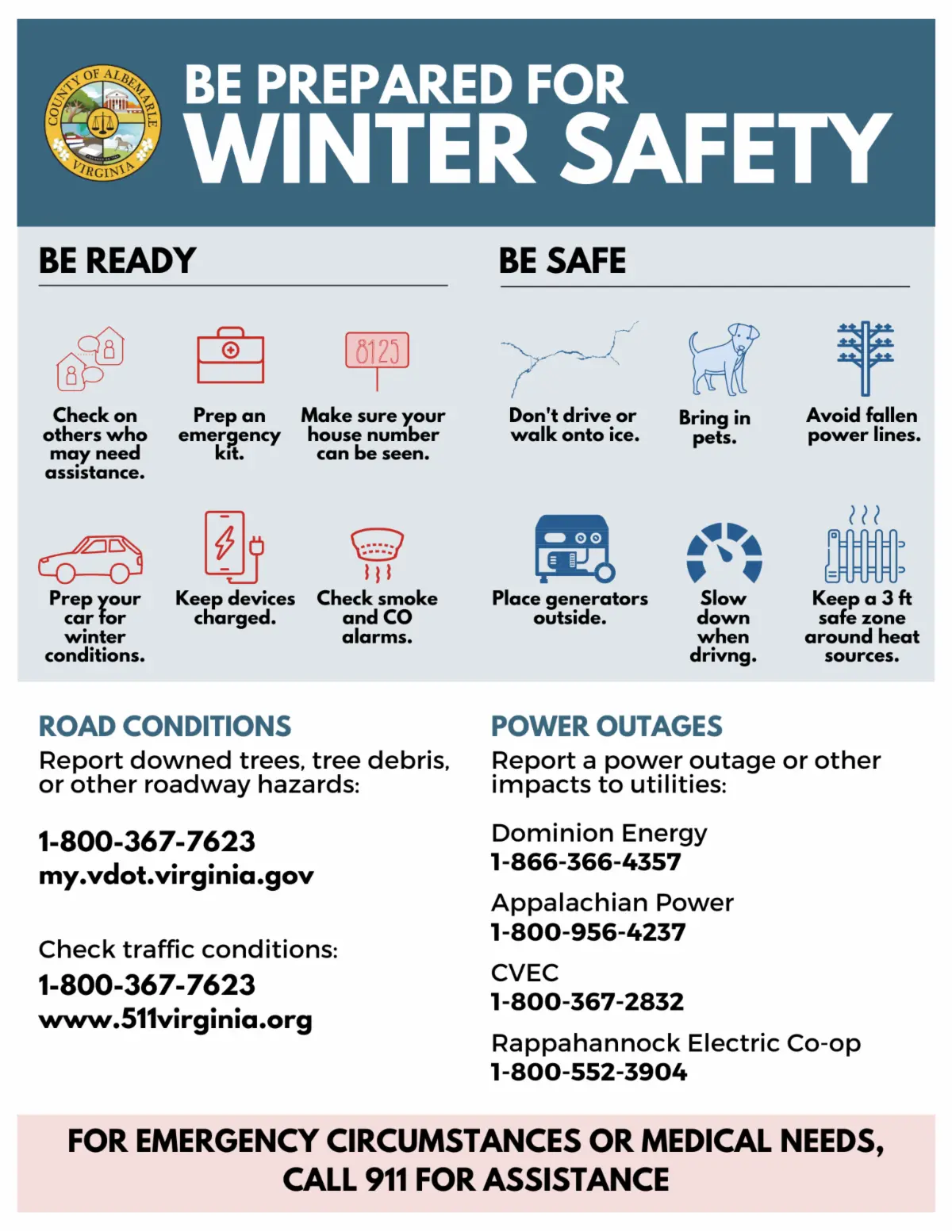
An emergency kit should contain essential supplies that can sustain you for at least three days. Key items to include are:
- Non-perishable food items
- Water (1 gallon per person per day)
- Flashlights and batteries
- First aid supplies
- Canned goods and a manual can opener
- Medications and prescriptions
- Warm clothing and blankets
3. Prepare Your Home
Ensure that your home is winter-ready by checking the insulation, sealing any drafts, and ensuring that your heating system is functioning properly. Stock up on firewood for fireplaces and ensure that smoke and carbon monoxide detectors are operational.
4. Vehicle Maintenance
Before a storm hits, make sure your vehicle is in good working condition. Check the battery, wipers, and tires, and keep an emergency kit in your car with essentials like blankets, snacks, and a flashlight. Always keep your gas tank at least half full to avoid being stranded.
5. Have a Communication Plan
Establish a communication plan with family members and friends. Make sure everyone knows how to reach one another in case of emergencies. Keep a list of important contacts and share your location if possible.
Conclusion
Preparing for winter storms is an essential step in safeguarding yourself and your family during the harsh winter months. By staying informed, creating an emergency kit, preparing your home and vehicle, and having a communication plan, you can mitigate the impact of severe weather. As climate patterns continue to shift, being proactive is more important than ever. Stay safe this winter season!