Introduction
As winter approaches, the anticipation of snow, ice, and frigid temperatures becomes a reality for many across the United States. Winter storms can bring significant challenges including power outages, hazardous travel conditions, and potential property damage. Preparing for a winter storm is crucial for ensuring the safety and well-being of individuals and families. Knowing how to adequately prepare can make the difference between comfort and chaos when severe weather strikes.
Preparing Your Home
Before a winter storm hits, it’s vital to winterize your home. Here are some steps you can take:
- Check Your Heating System: Ensure your heating system is functioning correctly, and consider having it serviced. Stock up on alternative heating sources, such as space heaters that can be safely used with adequate ventilation.
- Insulate Your Home: Seal windows and doors to prevent drafts. Insulation helps retain heat and can make your living environment much more comfortable during extreme cold.
- Stock Up on Supplies: Gather essential supplies including bottled water, non-perishable food items, blankets, batteries, and any necessary medications. A basic emergency kit should also include a flashlight, a first aid kit, and a radio.
Vehicle Preparedness
Your vehicle can become a lifeline during winter storms if prepared properly. Important steps include:
- Winter Tires: Equip your vehicle with winter tires for improved traction on snow and ice.
- Emergency Kit: Keep an emergency kit in your car that includes blankets, a shovel, snacks, water, and a charged mobile phone or portable charger.
- Gas Tank: Keep your gas tank at least half full. A full tank helps avoid fuel lines freezing and ensures you have enough fuel for potential travel emergencies.
Staying Informed
Staying updated on weather conditions is critical. Consider the following:
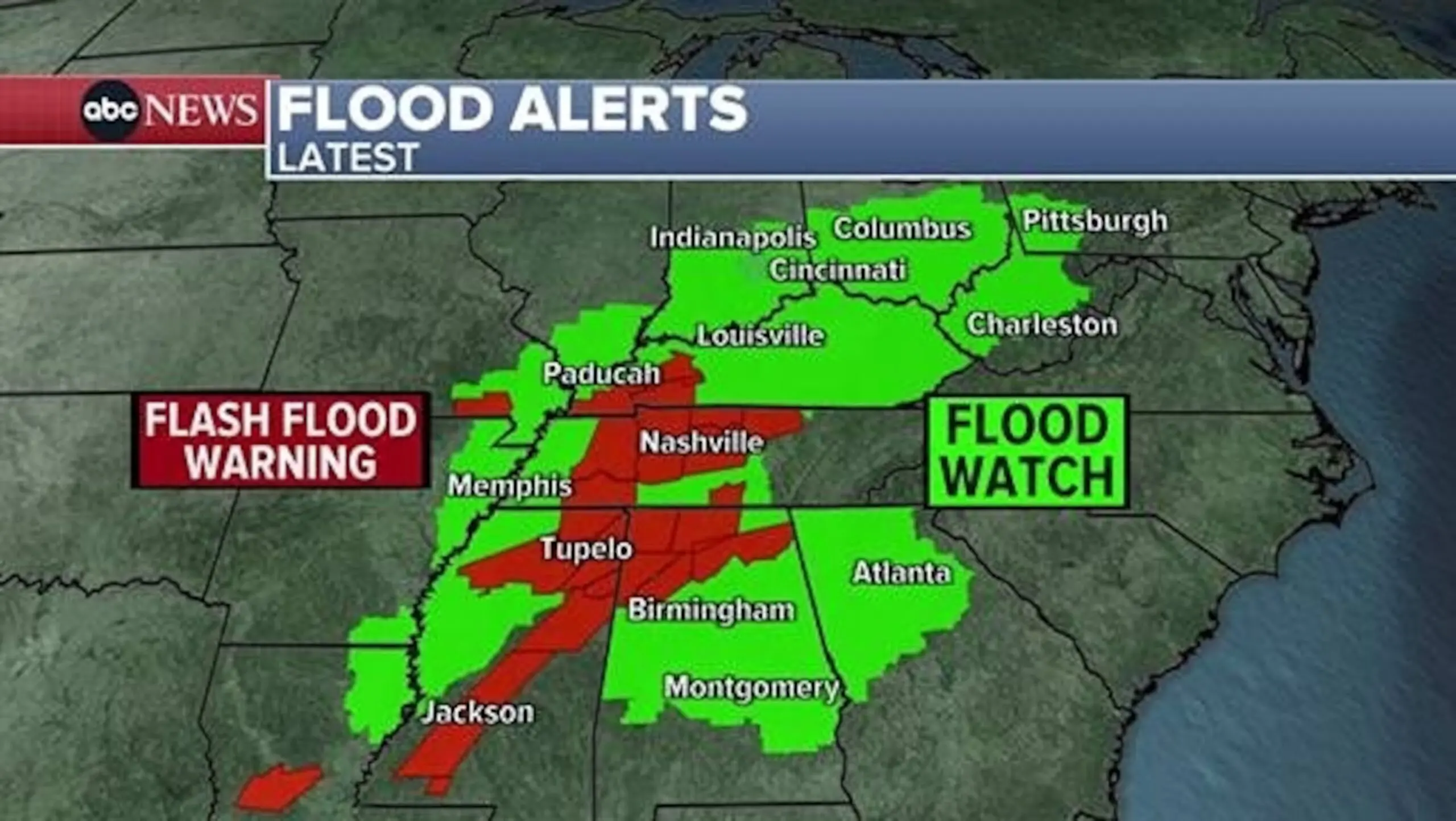
- Weather Alerts: Sign up for weather alerts from local news channels or the National Weather Service to receive real-time notifications.
- Emergency Services: Know the emergency service numbers for your area and keep a battery-powered radio to listen for updates in the event of power loss.
Conclusion
Preparing for a winter storm is not just about stocking up on supplies; it involves proactive planning and ensuring that both your home and vehicle are ready for harsh weather conditions. By following these practical steps, individuals and families can enhance their preparedness and minimize risks during winter storms. Keeping informed through reliable sources and having an emergency plan in place will provide peace of mind and safety when the snow begins to fall.