Introduction
Erythritol is a sugar alcohol commonly used as a low-calorie sweetener in various food products and diets. As more consumers seek healthier alternatives to sugar, erythritol has gained popularity for its sweetening properties without the caloric content associated with traditional sugars. Understanding its health impacts and potential benefits is essential, especially with recent attention from researchers and health organizations.
What is Erythritol?
Erythritol is a naturally occurring sugar alcohol found in some fruits and fermented foods. It has approximately 60-70% of the sweetness of sucrose (table sugar) but only contains 0.24 calories per gram, making it one of the lowest-calorie sweeteners available. Unlike several other sugar alcohols, erythritol is absorbed into the bloodstream and mostly excreted unchanged in urine, leading to fewer digestive issues often associated with such sweeteners.
Recent Research Findings
In recent months, erythritol has been the subject of intense study. A report published in early 2023 raised concerns about its potential link to increased heart disease risk. Researchers found that higher levels of erythritol in the blood were associated with cardiovascular issues, as it may trigger platelet activation and clot formation. However, the findings were met with skepticism, as erythritol is widely considered safe by numerous health authorities, including the FDA and WHO.
Moreover, a large body of research indicates that erythritol does not contribute to blood sugar spikes, making it an appealing option for diabetic individuals. Studies continue to explore how sugar substitutes like erythritol can aid in weight management and reduce sugar intake.
Usage and Availability
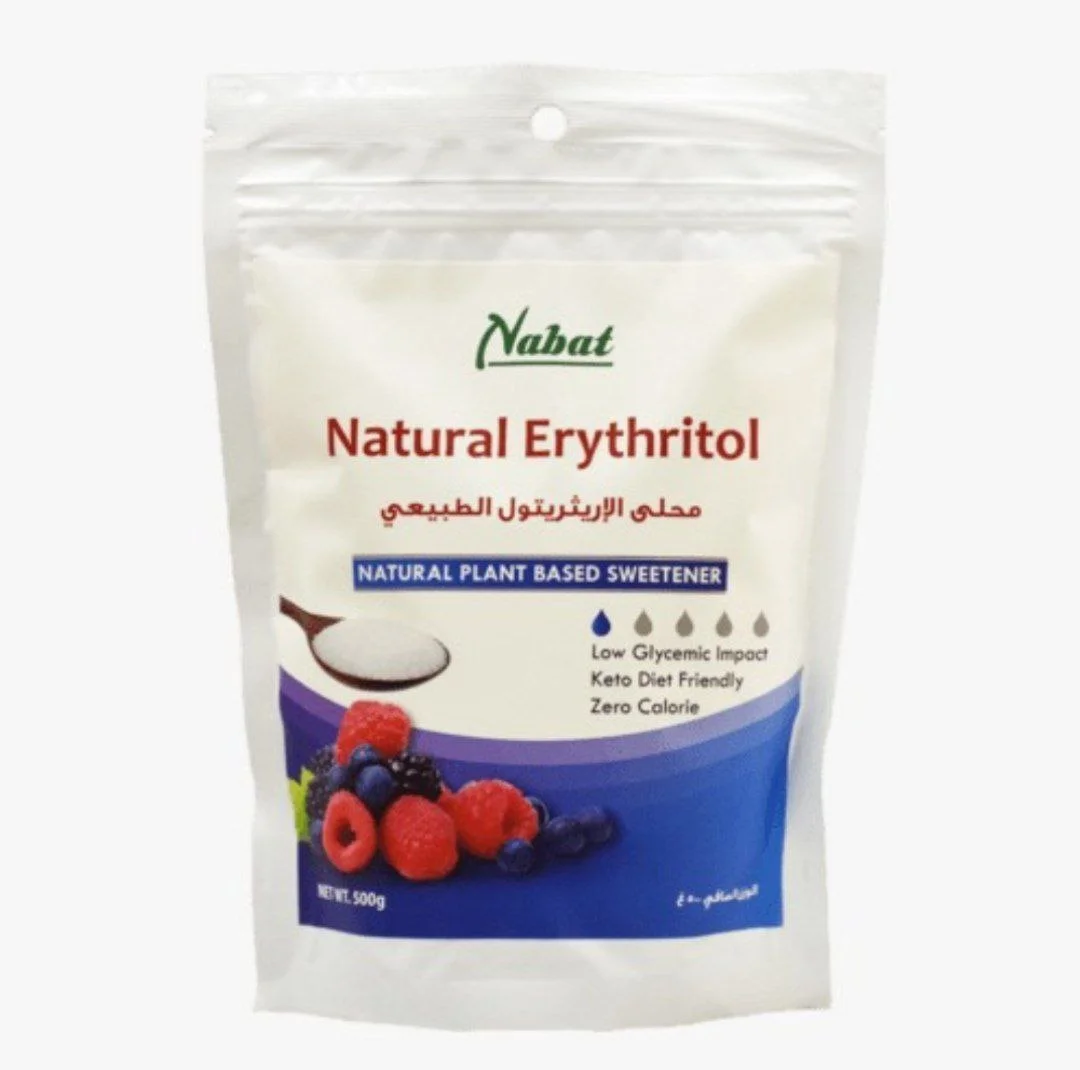
Erythritol can be found in many products, including sugar-free candies, beverages, and baked goods. It is often combined with other sweeteners to enhance flavor profiles while maintaining a low-calorie count. Consumers looking for erythritol can find it in health food stores or online, typically sold either as a granulated sweetener or incorporated into ready-made food products.
Conclusion
Erythritol remains a popular choice for those reducing their sugar intake and looking for lower-calorie sweeteners. While recent studies have brought new insights into its effects on health, it is critical for individuals to weigh the potential risks and benefits based on their health conditions. As research continues, consumers should stay informed and consult with healthcare professionals regarding their dietary choices. Erythritol’s low-calorie nature may support healthy eating habits, but understanding the broader context of its health implications is essential.