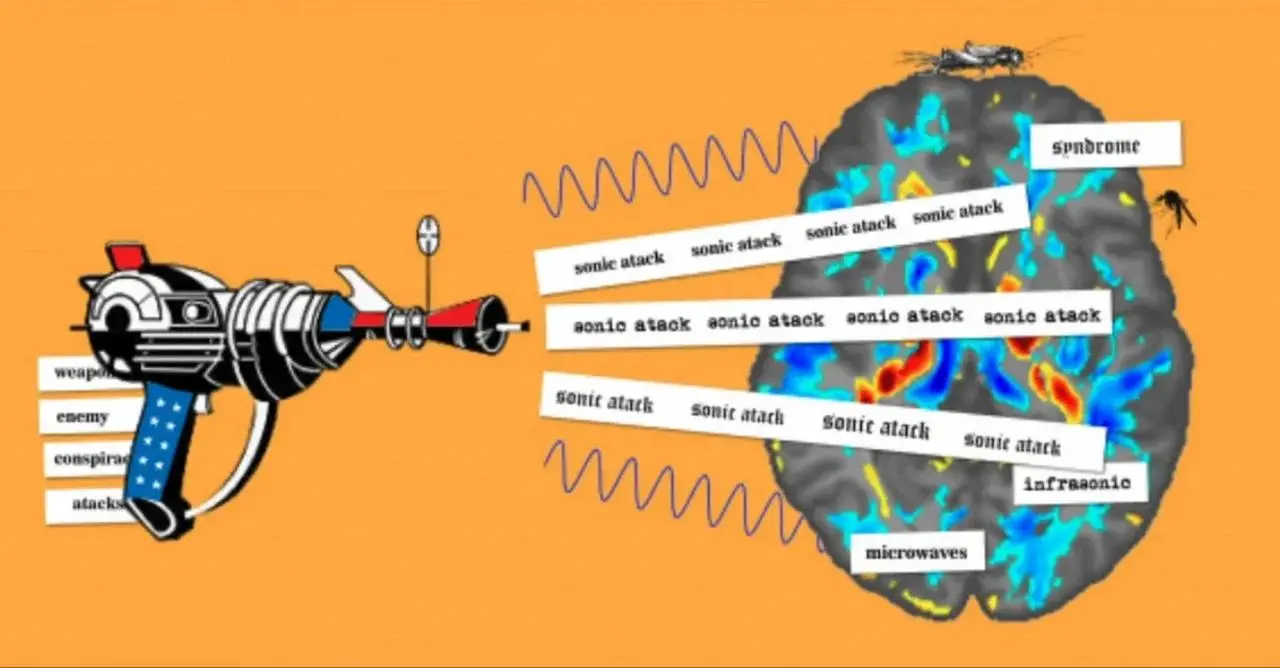
Introduction to Havana Syndrome
Havana Syndrome, a mysterious ailment that first identified its victims among U.S. and Canadian diplomats in Cuba, has garnered increasing attention for its puzzling symptoms and potential implications for public health and national security. Reports of this syndrome unleashed a wave of intrigue and concern about its origins and effects. The phenomenon has since transcended geographic boundaries, affecting individuals in various countries.
Reported Symptoms and Experiences
Those affected by Havana Syndrome have reported a range of debilitating symptoms, including sudden headaches, dizziness, hearing strange noises, and cognitive difficulties. Many individuals have linked these experiences to their time spent in Cuba starting in 2016. As additional cases emerged worldwide, particularly among CIA officers and foreign service personnel, the mystery deepened, leading to speculations regarding directed energy attacks or exposure to neurotoxic substances.
Current Investigations and Research Efforts
In response to growing concerns, U.S. intelligence agencies have launched extensive investigations into the syndrome. Data from studies released by the CIA and medical expert panels indicate links to possible psychological and environmental factors, though definitive causes remain unconfirmed. Research continues to explore the neurological implications, aiming to understand whether these incidents are the results of targeted attacks or otherwise unexplained health phenomena.
Significance for Diplomats and Global Security
The implications of Havana Syndrome extend beyond the individual experiences of those affected. It raises questions about the safety of diplomats and personnel operating globally. The U.S. government has taken measures to ensure better security and healthcare for its employees abroad, reflecting the urgency surrounding the issue. As investigations continue, the findings will play a crucial role in shaping policy decisions and diplomatic strategies.
Conclusion: The Future of Research on Havana Syndrome
As new cases and research findings emerge, the understanding of Havana Syndrome remains fluid. Experts emphasize the need for ongoing studies to fully grasp its causes and consequences. For individuals and families impacted, as well as for officials tasked with ensuring their safety, the urgency of resolving these concerns cannot be overstated. Further investigation will be necessary to draw definitive conclusions, and anticipating the outcomes will be critical for addressing what could be a pervasive health risk in the geopolitical landscape.